Rail passengers across the United Kingdom are set to benefit from a significant overhaul of compensation claims for delayed train journeys, as the government announces plans to simplify the process under the new nationalised rail body, Great British Railways (GBR).
Streamlined Refund System for All Passengers
Currently, passengers who purchase tickets through third-party retailers like Trainline must submit refund applications directly to the relevant train operator, leading to a fragmented and often confusing system. Under the new initiative, compensation claim systems for individual train operators will be consolidated into a single, unified service managed by GBR.
This means that passengers will be able to claim compensation directly from the website where they bought their ticket, whether it's from a private retailer or directly from a train company, provided both the retailer and passenger opt in to share purchase details. The Department for Transport (DfT) stated that this change aims to eliminate the complexity of dealing with 14 different train companies, which has historically caused frustration among travellers.

Current Compensation Landscape and Challenges
According to the latest figures from the Office of Rail and Road, train operators paid out £138 million in compensation for delayed journeys during the 2023-24 financial year. While some operators offer automated "delay repay" systems, particularly for advance e-tickets and season ticket holders, many claims remain cumbersome.
Recent DfT research from 2023 indicates that 47% of passengers whose journeys were sufficiently delayed now receive compensation, with some train companies proactively alerting customers when they become eligible for partial refunds. However, more than half of affected customers do not bother to apply, often due to the perceived hassle of the process.
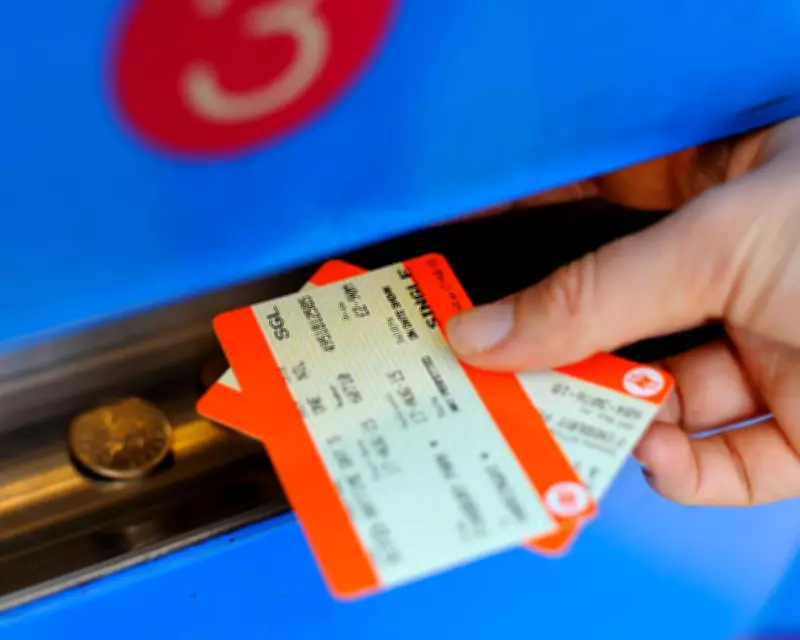
For those with paper tickets purchased at stations, the current system requires posting tickets or scanning them online, but longer journeys can involve being passed between multiple companies, further complicating claims.
Government and Industry Response
Transport Secretary Heidi Alexander emphasised the benefits of the new system, stating, "Using the railway will be simpler and more reliable under Great British Railways. When services are delayed, passengers should be able to easily claim the compensation they're owed."
She added that these changes will ensure quicker compensation claims and allow the industry to redirect taxpayer money towards essential improvements, such as freezing fares and upgrading trains and stations, rather than losing revenue to fare dodgers and fraud.
Additional Measures to Combat Fraud
In conjunction with the compensation overhaul, the DfT is implementing stricter measures to reduce revenue losses from fraud. Changes to railcard and ticketing terms and conditions will include additional checks for passengers buying discounted tickets using railcards.
A "simple validation" process, expected to save approximately £20 million annually in lost revenue, will be trialled later this year. This will require passengers to scan their railcard or enter details when purchasing discounted tickets online or at ticket machines.
Furthermore, starting in April, refund rules for flexible tickets will be tightened, allowing refunds only before travel is due. This move aims to tackle fraudulent claims for tickets that have been used but not scanned or stamped, which currently costs the railway around £40 million each year.
These comprehensive reforms represent a concerted effort to enhance passenger experience, reduce administrative burdens, and safeguard railway finances in the evolving landscape of UK rail travel.