A tragic incident at a level crossing in Formby has highlighted the dangers of using headphones near railway lines, after an inquest heard that a runner was killed by an oncoming train while his phone displayed a warning about loud music volume.
Fatal Morning Run at Hoggs Hill Crossing
Sam Dudley, a 29-year-old man, was out running on the morning of August 24 last year when the fatal accident occurred at Hoggs Hill level crossing. The inquest revealed that Mr. Dudley was wearing headphones as he entered the crossing shortly before 11.07am.
Safety Systems and Warning Signals
The crossing is equipped with a traffic light system that displays red or green depending on train proximity, along with a klaxon that sounds when a train approaches. CCTV footage shown at the inquest captured Mr. Dudley running onto the track before appearing shocked as he realised a train was approaching. The footage showed him attempting to jump backwards moments before impact, but it was too late.

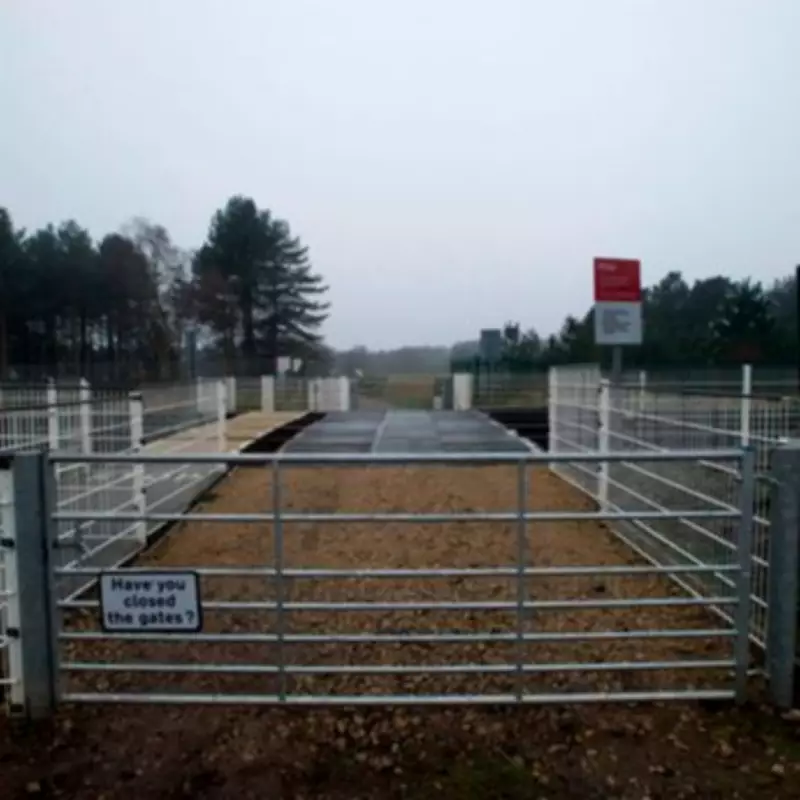
An investigation confirmed that Mr. Dudley had entered through the pedestrian gate while the red light was flashing and the klaxon was sounding. After passing through the gate, additional signage warns users of oncoming trains.
Phone Found Displaying Volume Warning
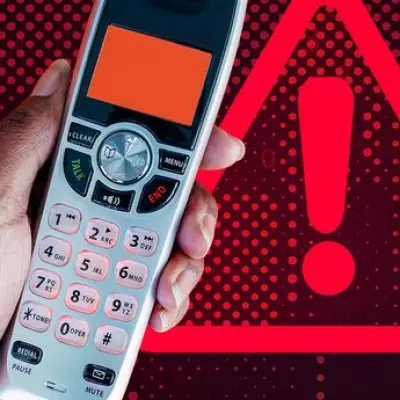
When Mr. Dudley's phone was recovered from the scene, it was found to have been displaying a notification warning that his music volume was too loud. This discovery proved crucial to understanding the circumstances of the accident.
Coroner's Findings and Conclusions
Senior coroner Anita Bhardwaj concluded the inquest on February 3, with a prevention of future deaths report published on February 10. The report states that the crossing "was safe, compliant, and operating as designed" and confirms there "were no causal or contributory failings identified in the inspection, maintenance, or management of the crossing."
Ms Bhardwaj concluded: "It is more likely than not that Sam did not hear the klaxon because he was running whilst listening to loud music through his headphones... In all the circumstances it is more likely than not Sam was distracted, not fully attentive and proceeded onto the track."
Wider Safety Concerns Identified
Despite finding no fault with the crossing itself, the senior coroner for Sefton, St Helens and Knowsley identified broader safety concerns around warning signage. She noted that while signage exists once pedestrians pass through the gate, there is limited warning displayed directly on the gate itself, which sits only a short distance from the critical "decision point" where users choose whether to continue.
Recommendations for Improved Safety
In her report, Ms Bhardwaj said: "Nationally there is signage once individuals pass through the gate, but there is limited signage on the gate itself as people enter the walkway, only a short distance from the 'decision point.'"
With more people wearing headphones and potentially being less aware of their surroundings, Ms Bhardwaj suggested that clearer pictorial signage at the gate could improve awareness. She specifically mentioned that an image of earphones crossed out might be effective at the point where people make their decision to cross.
The coroner added that visual warnings often attract attention quickly, while sound cues create stronger emotional responses, and argued that a combination of both could significantly improve safety communication at railway crossings.