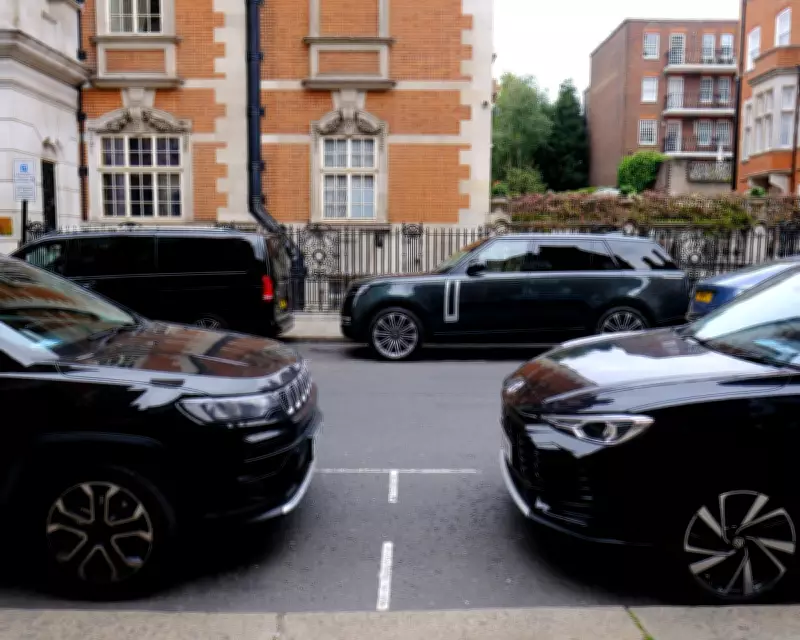
The proliferation of supersize cars, particularly sports utility vehicles (SUVs), has become a defining feature of urban landscapes worldwide, including London. These vehicles, once linked to rural and outdoor lifestyles, now dominate city streets, accounting for 46% of global new car sales in 2022. While manufacturers benefit from higher profit margins and drivers enjoy increased space and a elevated driving position, the external impacts of SUVs are increasingly under scrutiny.
Safety Risks and Environmental Toll
Research highlights alarming safety concerns, with children being 77% more likely to die if struck by an SUV compared to other cars, due to their larger size and raised bonnets. London Mayor Sir Sadiq Khan has emphasized these risks in a review of SUVs' environmental impact, which is expected to lead to policy proposals such as higher charges for owners. This move aligns with growing public discontent in cities like Cardiff, where 66% of survey respondents supported increased parking permit fees for SUV owners, and Paris, where a majority voted to triple parking fees in a 2024 referendum.
Space and Infrastructure Challenges
SUVs also pose significant physical challenges, occupying more space than standard cars. Between 2021 and 2025, approximately 4.6 million cars larger than typical parking spaces were sold in the UK, exacerbating congestion and parking issues in densely populated areas like London. Mayor Khan is drawing lessons from cities such as Helsinki and Oslo, which have successfully reduced road deaths and serious injuries through bold measures.

Following the implementation of the London-wide ultra-low emission zone (Ulez) in 2023, which improved air quality, Khan is advocating for further actions, including expanded 20mph zones and new speed restrictions on faster roads. While most newer SUVs comply with Ulez standards, their lifetime carbon footprints, from manufacture to operation, remain a critical issue. The International Energy Agency reports that SUVs consume about 20% more oil than medium-sized cars, offsetting global energy efficiency gains since 1990, even with 20% of new models being electric.
Policy and Financial Incentives
Central government is urged to reassess tax systems that currently levy lower charges on new SUVs compared to many European countries. A greener transition should incorporate environmental considerations into taxation, using financial nudges to influence consumer behavior. Local measures, such as parking and congestion charges, are also vital tools in this effort. Mayor Khan's proactive stance signals a commitment to leveraging available levers to address the growing number of giant cars in the UK.
The conversation around SUVs must accelerate, balancing driver preferences with broader societal needs for safety and sustainability. As urban areas grapple with these challenges, policy innovations and public engagement will be key to fostering cleaner, safer cities.