Scottish Government Announces Rail Fare Freeze for 2026-27 Financial Year
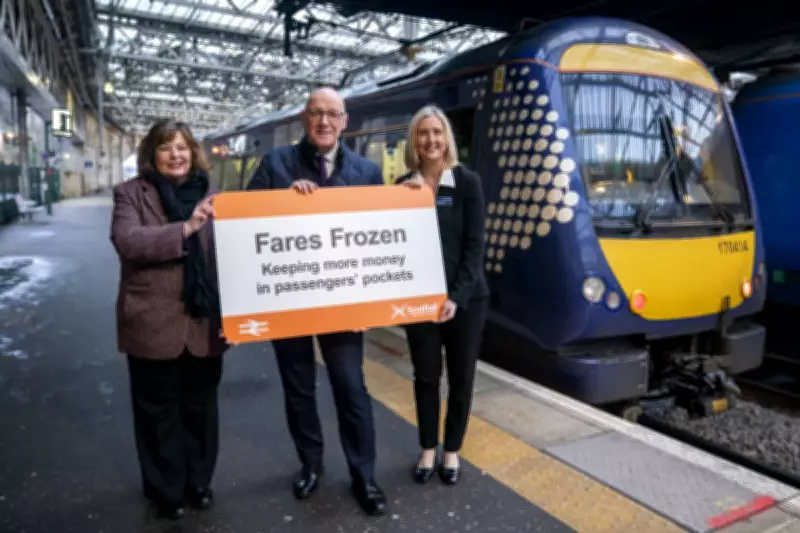
First Minister John Swinney has unveiled a significant policy move, confirming that rail fares in Scotland will be frozen for the upcoming financial year. This announcement comes just ahead of the first vote on the Scottish Government's Budget, highlighting a strategic effort to address mounting cost-of-living concerns among commuters.
Investment Details and Rationale
The freeze, backed by a £4.3 million investment that may adjust based on demand, marks a departure from the usual annual fare increases typically implemented each April. Last year, fares rose by 3.8%, making this year's decision particularly noteworthy. Speaking at Edinburgh Waverley Station on Thursday morning, Swinney emphasized the government's commitment to supporting households.
"The Government recognises the challenges that people face in wrestling with the cost of living at the moment," Swinney told the Press Association. "We're looking for every step we can take to try to help people. We've decided to freeze rail fares for next year, so there'll be no annual increase in rail fares, and what that will do is help commuters to afford their daily travel."

He further noted that this measure, combined with the abolition of peak rail fares introduced in September last year, represents a substantial reduction in travel costs for individuals. "It's a huge saving in the cost of travel for individuals and helps people at a time when household incomes are under such pressure," he added.
Political Context and Budget Negotiations
The timing of this announcement has sparked speculation, with some viewing it as a potential pre-election maneuver ahead of May's Holyrood elections. However, Swinney deflected such inquiries, stating simply that he is "always looking at what we can do to reduce the cost of living." The policy aims to make rail travel "a much more credible option" for Scots, balancing customer affordability with necessary investment in the rail network.
As the Budget proceeds to its first parliamentary vote, the political landscape reveals shifting alliances. Scottish Labour has declared it will abstain, effectively allowing the tax and spending plans to pass without requiring ministerial deals. Despite this, Swinney expressed a willingness to collaborate across party lines. "We obviously have got to work with other parties, because the Government doesn't have a majority – we need to get other people to support us," he said.
He also cast doubt on Labour's consistency, remarking, "Let's wait and see if Scottish Labour remain consistent with what they've said in the past. They're rather chopping-and-changing these days." The First Minister underscored the Budget's merits, highlighting investments in the NHS to reduce waiting times, support for families facing cost-of-living challenges, and a significant housing package.
Cross-Party Discussions and Green Party Stance
During First Minister's Questions, Liberal Democrat MSP Jamie Greene inquired about potential Budget adjustments concerning business rates, hospices, and the care sector. Swinney confirmed a draft deal with the Lib Dems, detailing:
- An additional £2.9 million for hospices to maintain staff parity with NHS agenda for change on social care.
- £20 million for local government to fund social care, including the real living wage for adult and childcare services and business rates.
- Increased relief to 40% for licensed premises and music venues liable for basic and intermediate property rates, subject to a £110,000 cap per business.
However, the Scottish Greens, typically a Budget ally, have indicated they will abstain in the stage one vote. Co-leader Ross Greer called for further concessions, such as extending free bus travel to all under-30s and automatic free childcare from age three. "If ministers want to go further to help families save money and protect our environment, Green MSPs are ready to work with them," Greer stated, urging collaboration before the final vote in the coming weeks.

This rail fare freeze represents a pivotal element in the Scottish Government's broader economic strategy, aiming to alleviate financial burdens while navigating a complex parliamentary landscape. The outcome of the Budget vote will hinge on ongoing negotiations and the evolving political dynamics within Holyrood.