Stonehenge Tunnel Project Officially Cancelled After £179 Million Spent
The long-controversial plan to construct a tunnel beneath the iconic Stonehenge monument has been definitively cancelled by the UK government. The Department for Transport has formally revoked the Development Consent Order for the project, which aimed to reroute the heavily congested A303 road underground near the prehistoric site.
Financial and Strategic Reversal
This decision marks a dramatic reversal for a scheme first proposed three decades ago in 1994 and formally approved just last year. The project had already consumed £179.2 million in taxpayer funds for planning and preparatory work, with total projected costs estimated to reach a staggering £1.4 billion. Transport Secretary Heidi Alexander confirmed the cancellation, stating the tunnel "no longer aligns with current strategic policy objectives."
The revocation follows the Labour government's 2024 postponement of the project as part of Chancellor Rachel Reeves' efforts to address what she described as a £20 billion black hole in public finances inherited from the previous administration. The DfT stated that ending the project would "remove the planning blight" affecting the area and allow alternative infrastructure proposals that better reflect contemporary needs to emerge.

Mixed Reactions from Stakeholders
Campaigners from the Stonehenge Alliance have enthusiastically welcomed the decision. Acting Chairman Mike Birkin declared that construction would have caused "enormous damage" to the unique landscape of the Stonehenge World Heritage Site. "The granting of the DCO was always perverse given the enormous damage it would have caused," Birkin stated, noting that both planning inspectors and UNESCO experts had previously condemned the scheme.
Birkin further suggested that the saved budget could now be redirected toward improving the region's active travel networks and public transport infrastructure, particularly the notoriously unreliable rail network in the South West. Such investments, he argued, would support business growth, job creation, housing development, and help meet climate commitments by reducing car dependency.
Conversely, local political figures have expressed profound disappointment. Caroline Nokes, MP for Romsey and Southampton North, described the cancellation as "disappointing" for residents who had anticipated relief from chronic congestion. She emphasized that "an important strategic route going past the world's most famous prehistoric monument is not an ideal combination."
Council Opposition and Regional Concerns
This represents the second government attempt to revoke the project order, following a similar proposal in November 2023 that faced fierce criticism from Wiltshire Council. Council leader Ian Thorne previously argued that revocation was "completely unacceptable" without presenting alternative solutions.
Thorne warned of significant consequences, including:
- Continued severe congestion and rat-running through local communities
- Undermined efforts to unlock jobs and investment across Wiltshire and the South West
- Wasted public money and pre-existing infrastructure investments
- Lost environmental benefits that the project might have delivered
- Forcing any future improvements to begin the entire planning process anew
"This is not just a setback - it's a complete step backwards for a region that is severely lacking in Government investment compared to other parts of the country," Thorne asserted, vowing to continue fighting for essential regional infrastructure.
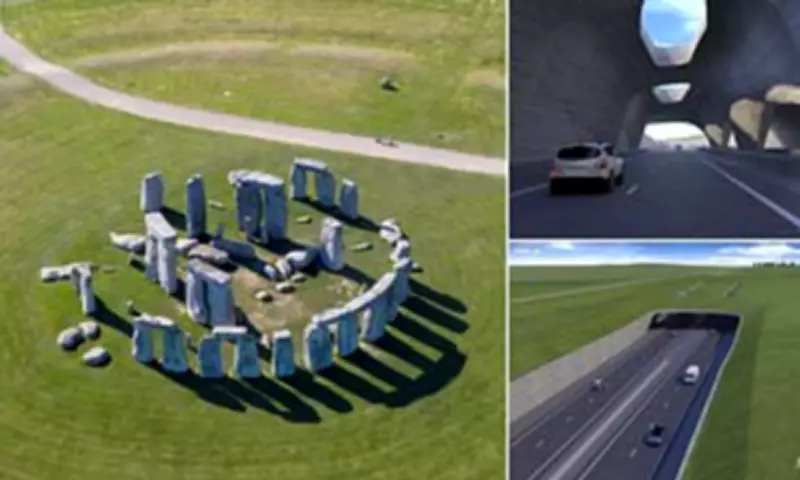
The cancelled scheme encompassed not only the 2-mile tunnel but also two new junctions and a northern bypass, intended to upgrade the motorway between Amesbury and Berwick Down in Wiltshire. With its formal termination, three decades of planning and controversy surrounding the A303 Stonehenge corridor have reached a definitive conclusion, leaving unresolved the persistent traffic challenges at this globally significant heritage location.