

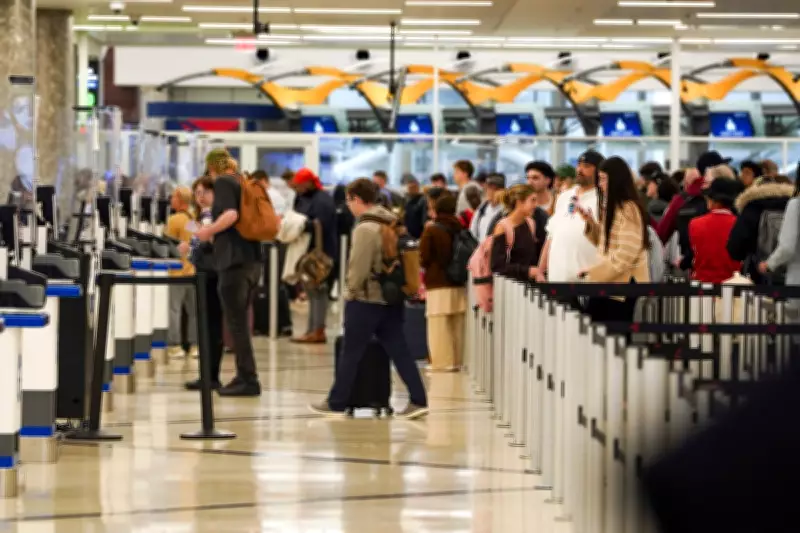
Thousands of flights have been canceled across the United States as powerful storms sweep through the eastern half of the country, compounding travel disruptions already exacerbated by an ongoing partial government shutdown. On Monday, more than 12,500 flights were either canceled or delayed, leaving countless travelers stranded and forcing some to sleep on airport floors amid the chaos.
Severe Weather Wreaks Havoc on Air Travel
By 4 p.m. ET on Monday, over 4,000 flights had been canceled outright due to the intense storms battering regions from the Midwest to the East Coast. These weather systems brought heavy rain, strong winds, and potential tornadoes, grounding aircraft and snarling operations at major hubs. Spring break travelers, along with those heading to March Madness events, faced significant delays and cancellations, with airports becoming overcrowded as passengers scrambled to rebook or find alternative arrangements.
Government Shutdown Intensifies Staffing Crises
The travel woes were further aggravated by a partial government shutdown that has left Transportation Security Administration (TSA) screeners without their first full paycheck over the weekend. This financial strain has led to staffing shortages at security checkpoints, as unpaid workers have been forced to take second jobs or leave their positions altogether. Consequently, longer security lines have formed at airports, adding to the congestion and frustration for travelers already dealing with weather-related disruptions.

Airline Industry Calls for Urgent Action
In response to the escalating crisis, airline CEOs issued an open letter to Congress, urging a swift resolution to the shutdown. They emphasized the need to ensure federal aviation workers receive their pay promptly to prevent further travel chaos. The letter highlighted how the combination of severe weather and understaffed TSA checkpoints has created a perfect storm of delays, threatening the efficiency and safety of the national air travel system.
As storms continue to move across the country, travelers are advised to check flight statuses regularly and prepare for ongoing delays. The situation underscores the vulnerability of air travel to both natural disasters and political gridlock, with experts warning that without immediate action, disruptions could persist well into the week.






