UAE Implements Airspace Closure Amid Escalating Iranian Missile and Drone Threats
The United Arab Emirates has taken the extraordinary step of temporarily closing its national airspace due to what authorities describe as a heightened threat of missile and drone attacks originating from Iran. This decisive action, announced by the General Civil Aviation Authority (GCAA), represents a significant precautionary measure in response to rapidly evolving security developments across the region.
Precautionary Closure to Ensure Aviation Safety and National Security
The GCAA has formally stated that this airspace closure is being implemented as an exceptional precautionary measure designed to preserve the safety of all flights and air crews operating within UAE territory. A spokesperson for the aviation authority emphasized that protecting airspace safety and safeguarding the sovereignty of the UAE remain the absolute top priorities during this period of regional instability.
The decision follows a comprehensive assessment of both security and operational risks, undertaken in full coordination with relevant national and international authorities. The GCAA confirmed that this closure aims specifically to address the increased threat posed by incoming missile and drone attacks from Iran, with the government separately acknowledging that the Gulf nation's air defence systems are actively responding to these threats.

Major Airport Operations Halted as Flights Divert and Hold
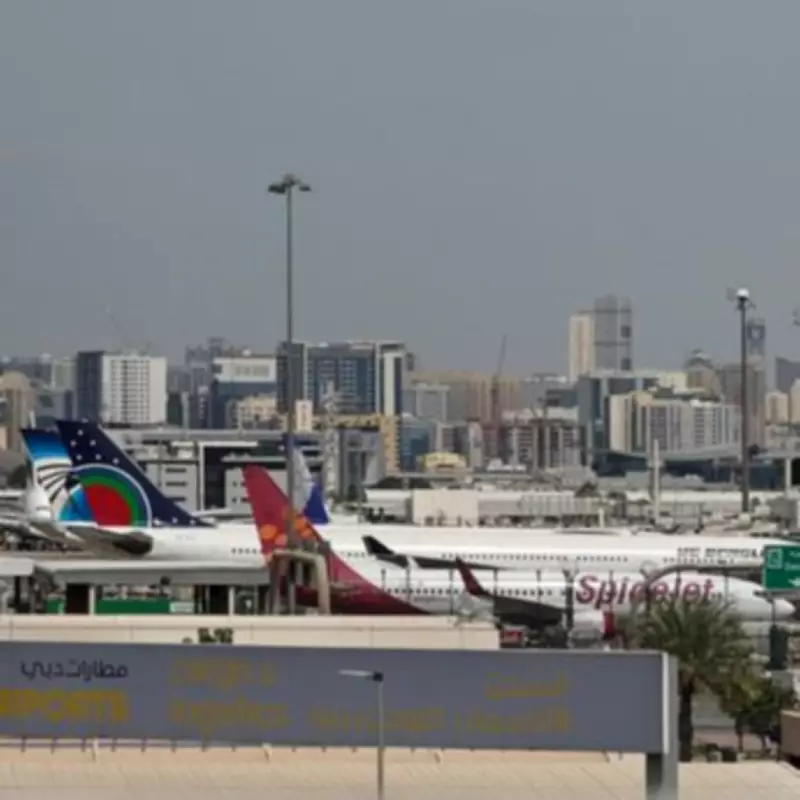
Travel across the region has been severely disrupted by this airspace closure, with Dubai International Airport confirmed as currently closed to all air traffic. This shutdown comes after an earlier drone attack struck a fuel tank in proximity to the airport, further exacerbating security concerns.
According to flight tracking data, numerous aircraft scheduled for Dubai are now being diverted to alternative airports, while other flights already in the vicinity are being placed in holding patterns as aviation authorities work to manage the evolving situation. The conflict in Iran has created ripple effects that are disrupting air travel operations on a global scale, with the UAE's precautionary measures representing one of the most significant operational impacts.
The GCAA maintains that this temporary airspace closure is necessary to ensure the highest possible levels of safety for all aviation stakeholders, even as it acknowledges the substantial disruption this causes to both commercial and private air travel throughout the Gulf region and beyond.