UK Train Ticket Refund Rules to Tighten Significantly from 2026
The United Kingdom is implementing stricter regulations on train ticket refunds to address widespread fare evasion that costs the rail industry approximately £40 million each year. The UK Government has announced updates to the rules governing refund claims for unused tickets, marking a significant shift in passenger rights and fraud prevention measures.
Current System Allows Post-Journey Refund Claims
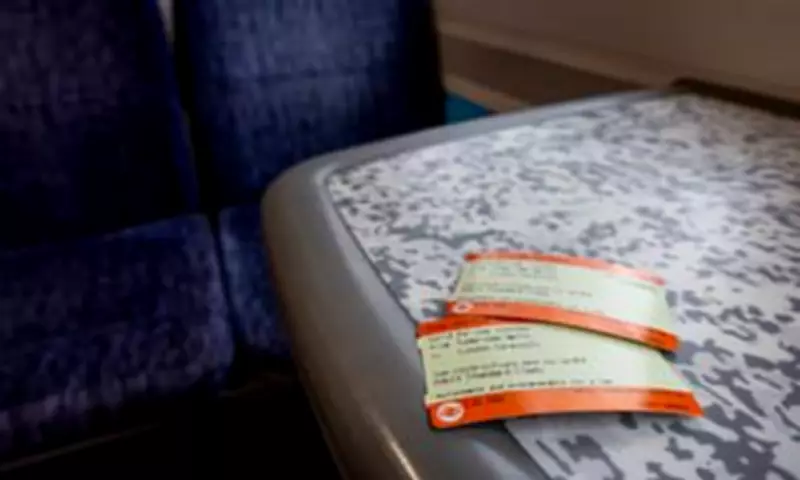
Under existing regulations, passengers can request refunds for unused tickets up to 28 days after the scheduled travel date. However, this system has created a loophole that enables fraudulent claims. If a ticket remains uninspected or unscanned during a journey, passengers can technically submit refund requests afterward while falsely claiming the ticket was never used.
This exploitation of the refund policy has resulted in substantial financial losses for the rail network, prompting authorities to implement more stringent controls. The rail industry estimates that fare dodging through refund fraud amounts to around £40 million annually, funds that could otherwise support service improvements and infrastructure development.

New Rules Require Pre-Travel Refund Claims
From April 1, 2026, passengers will only be permitted to claim refunds for unused tickets before their scheduled travel date. This fundamental change eliminates the possibility of post-journey refund requests, effectively closing the loophole that has enabled widespread fraud.
Rail Minister Lord Peter Hendy emphasized the importance of this policy shift, stating: 'Deliberate fare dodging has no place on our railways. It drains much needed revenue and undercuts the trust of passengers who play by the rules. Changing refund rules will help stamp out fraud, keeping money in the railway – which will ensure we can deliver an improved railway with passengers at its heart.'
Part of Broader Railway Reform Strategy
The refund rule changes form part of the Government's comprehensive strategy to rebuild a publicly owned railway system that the nation can depend on. This initiative represents a significant overhaul of transportation policy aimed at creating a more sustainable and trustworthy rail network.
Another crucial component of this reform is the implementation of a rail fare freeze, the first such measure in three decades. Millions of commuters across England are now benefiting from frozen regulated rail fares, providing substantial financial relief during ongoing cost of living challenges while simultaneously supporting economic growth.
Substantial Savings for Commuters Nationwide
The fare freeze applies to season tickets, peak returns for commuters, and off-peak returns between major cities, affecting more than one billion journeys annually. This policy is generating significant savings for passengers, with many commuters saving hundreds of pounds on their annual travel expenses.
Specific examples illustrate the substantial financial benefits:
- Commuters traveling three days weekly from Milton Keynes to London using flexi-season tickets will save approximately £315 annually
- Passengers commuting from Woking to London could save around £173 per year
- Those traveling from Bradford to Leeds may save about £57 annually
These savings are particularly impactful for regular commuters on some of the busiest routes, where annual savings can exceed £300. The fare freeze is also supporting economic growth in town centers nationwide by reducing transportation costs for workers and encouraging local commerce.
The combination of stricter refund regulations and fare freezes represents a dual approach to railway reform: preventing revenue loss through fraud while making rail travel more affordable for legitimate passengers. These measures aim to create a fairer, more sustainable rail system that better serves the needs of all UK travelers.