Britain's industrial legacy is profoundly etched into its landscape, with the railway network standing as one of its most enduring achievements. Among the many lines that crisscross the nation, one holds a unique and unparalleled distinction: it is officially recognised as the world's oldest railway still in operation.
A Living Monument to Industrial History
The Tanfield Railway, winding through Gateshead and County Durham in North East England, is not merely a relic but a fully functional heritage line. Its origins are astonishingly ancient, beginning life as a horse-drawn wooden waggonway constructed to transport coal from local collieries to the River Tyne. From there, the coal was shipped to London and beyond, fuelling the nation's early industrial growth.
Centuries of Continuous Operation
What sets the Tanfield Railway apart is the incredible age of its infrastructure. Sections of the track in use today date back to 1725, with other portions of the route having been in service since an incredible 1621. This predates the advent of iron rails and steam locomotives by a full century, representing a pioneering chapter in transport history.

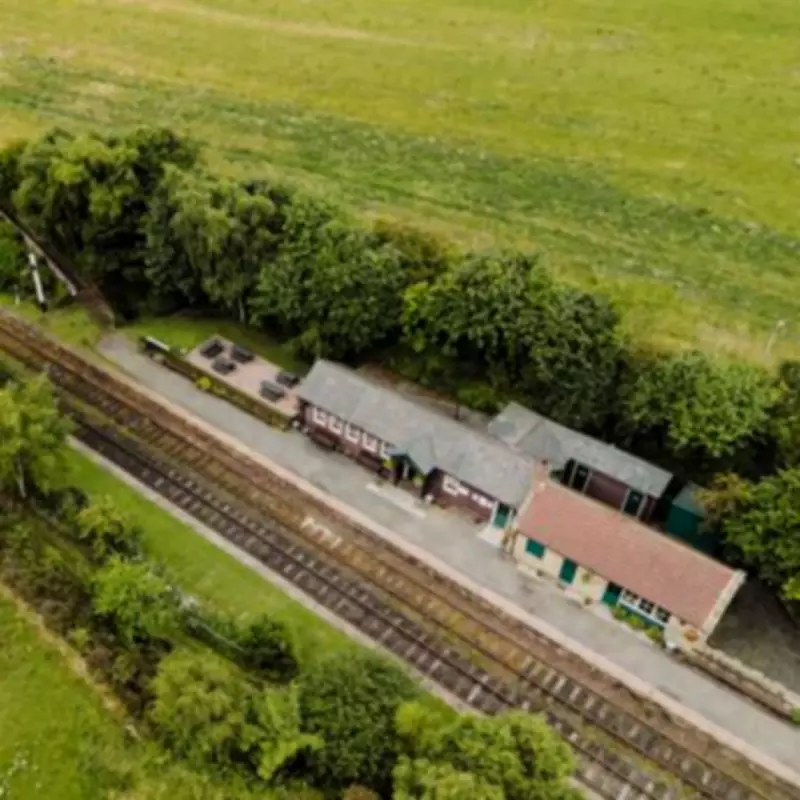
Today, the railway operates a regular passenger service along its three-mile route every Sunday. Preserved industrial steam locomotives, meticulously maintained, traverse the scenic path between East Tanfield in Durham and Sunniside in Gateshead, offering a living journey back in time.
The Heartbeat of the Railway: Its Volunteers
The survival and vibrant operation of this historic line are entirely due to the dedication of a passionate community of volunteers. Approximately 170 individuals, supported by three full-time staff, contribute their time and expertise to keep the railway running.
General manager David Watchman encapsulates the spirit: "I am really proud of our railway; we have a fantastic bunch of volunteers. Everyone has their own skill set. It is all about the people, and we have volunteers aged 12 through to 92. The railway wouldn't exist without them."Personal Stories of Preservation
The commitment runs deep, often spanning generations. Veteran volunteer Peter Weightman reflected on his lifelong motivation, stating it was "frightening to see so many lovely machines that were getting scrapped in the 1960s... Somebody had to do it before we lost our history, our local history."
This ethos of preservation has been successfully passed on. Tom Hartley, who joined as a volunteer in 2004, exemplifies the next generation. Captivated by steam trains as a child, he and three fellow volunteers embarked on an ambitious project at age 19. They purchased the National Coal Board No. 38 locomotive from Peter Weightman for the symbolic sum of £1—just 25 pence each—and have since invested countless hours and significant funds into its restoration.
Celebrating a Tercentenary and Looking Forward
The railway's remarkable history was celebrated last year, marking its 300th anniversary. The milestone was featured in a BBC documentary titled "The World's Oldest Railway," bringing national attention to this hidden gem of industrial heritage.
The Tanfield Railway stands as a powerful testament to Britain's engineering past and the enduring value of community-led preservation. It is more than a tourist attraction; it is a continuously operating piece of history, where the clatter of steam on ancient tracks keeps a vital part of the nation's story alive for future generations to experience firsthand.