Utah Prosecutor Denies Conflict of Interest in High-Profile Charlie Kirk Murder Case
A key Utah prosecutor has strongly denied allegations of a conflict of interest during a crucial court hearing in the murder case of right-wing activist Charlie Kirk. The dramatic courtroom proceedings in Provo saw prosecutors defending their position against defense claims that could potentially derail the high-stakes trial.
Defense Alleges Emotional Involvement in Death Penalty Decision
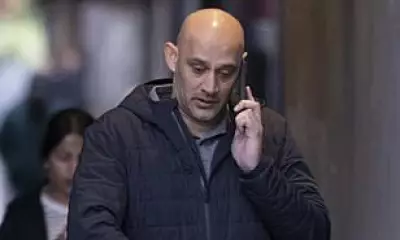
Lawyers representing accused killer Tyler Robinson have urged the court to disqualify local prosecutors, arguing that a significant conflict exists. The defense team's central allegation focuses on Chad Grunander, a deputy county attorney whose adult daughter attended the Utah college campus rally where Kirk was fatally shot. Robinson's attorneys contend that the prosecution's decision to seek the death penalty mere days after the killing demonstrated what they described as a "strong emotional reaction" from Grunander, suggesting improper influence.
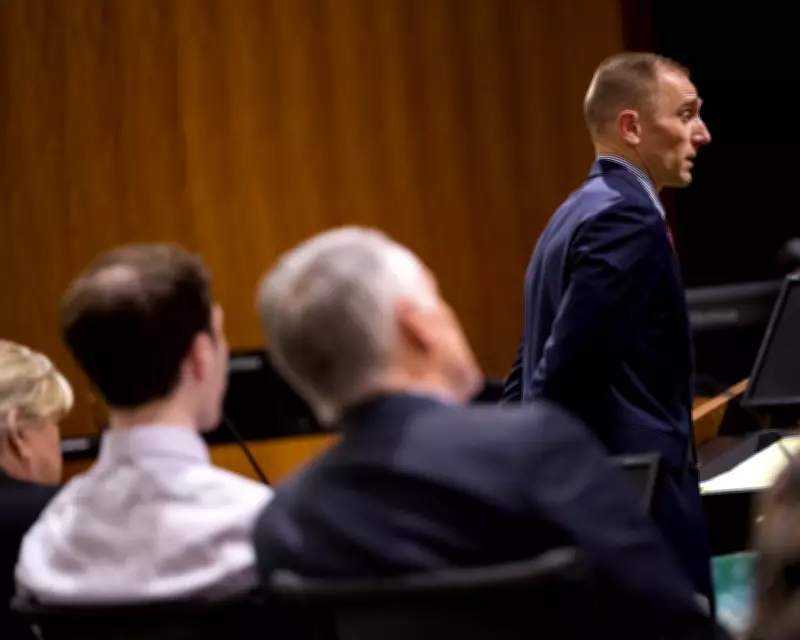
During Tuesday's hearing before Judge Tony Graf, both Grunander and his daughter provided testimony. Grunander firmly stated that his daughter's presence at the rally played absolutely no role in his office's decision-making process regarding the death penalty. Prosecutors maintained they pursued capital punishment based solely on what they believe constitutes sufficient evidence against Robinson, not personal connections or emotional responses.

Procedural Battles Intensify as Trial Approaches
The conflict of interest hearing represents just one of several procedural battles currently unfolding as both sides prepare for trial. Significant disagreements have emerged regarding whether graphic videos depicting the actual killing should be shown in court. Robinson's defense team has formally requested the judge to block this footage entirely, while simultaneously seeking to ban all cameras from the courtroom proceedings.
Defense attorneys argue that what they characterize as "highly biased" media coverage could fundamentally compromise Robinson's constitutional right to a fair trial. They've expressed particular concern about media organizations becoming what they describe as "financial investors" in the case, even accusing outlets of attempting to determine what Robinson whispered to his lawyers through the use of lip readers. During a previous hearing last month, a television camera operator reportedly zoomed in on Robinson's face in direct violation of courtroom orders.
Transparency Versus Fair Trial: The Media Debate
Meanwhile, Charlie Kirk's widow, alongside prosecutors and attorneys representing various media outlets, have urged Judge Graf to maintain open courtroom proceedings. In a Monday court filing, Erika Kirk's attorney warned that "in the absence of transparency, speculation, misinformation, and conspiracy theories are likely to proliferate, eroding public confidence in the judicial process." The filing emphasized that such outcomes would serve neither justice nor the interests of Kirk's widow.
Legal experts have validated the defense team's concerns about media influence. Valerie Hans, a prominent professor at Cornell Law School and leading authority on jury systems, explained that media coverage in high-profile cases like Robinson's can create a direct "biasing effect" on potential jurors. "When jurors come to a trial with this kind of background information from the media," Hans noted, "it shapes how they see the evidence that is presented in the courtroom."
National Attention Complicates Fair Trial Prospects
The case carries extraordinary national significance given Charlie Kirk's status as one of Donald Trump's most prominent allies. His organization, Turning Point USA, played a substantial role in bolstering Trump's 2024 presidential campaign, ensuring the murder case remains under intense political scrutiny. This national attention and surrounding political rhetoric are expected to further complicate efforts to guarantee Robinson receives a constitutionally fair trial.

University of Utah law professor Teneille Brown observed that even before formal charges were filed against Robinson, people began jumping to conclusions about the shooter's identity and political affiliations. "People are just projecting a lot of their own sense of what they think was going on," Brown stated, "and that really creates concerns about whether they can be open to hearing the actual evidence that's presented."
Robinson has not yet entered a formal plea in the case. Prosecutors have indicated they possess DNA evidence linking him to the killing, and reportedly, Robinson texted his romantic partner that he targeted Kirk because he had "had enough of his hatred." As these complex legal and procedural issues continue to unfold, the case promises to remain at the forefront of national legal and political discourse.