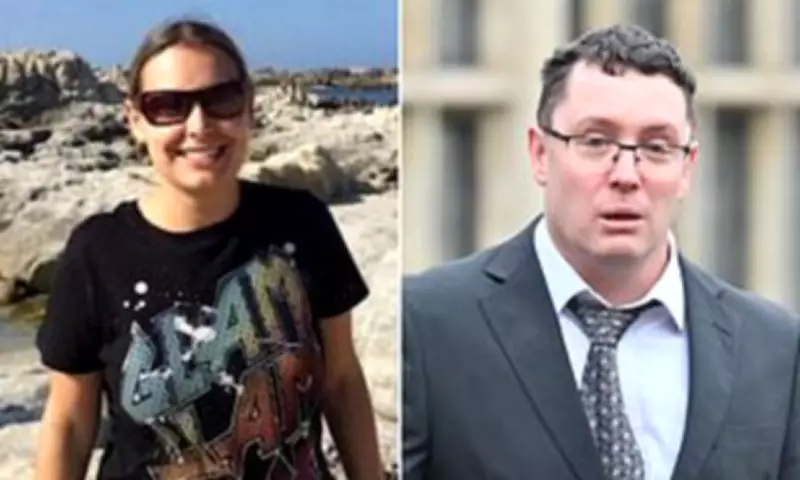
A software consultant stands accused of driving his wife to suicide, with a court hearing today that he threatened to harm her family if she attempted to leave him. Christopher Trybus, aged 43, allegedly placed a rope around the throat of his former wife, Tarryn Baird, after becoming aggressive during a sexual encounter, as detailed in the ongoing trial.
Allegations of Coercive Behaviour and Violence
Trybus faces serious charges including manslaughter, coercive or controlling behaviour, and two counts of rape. These accusations stem from the tragic death of Mrs Baird, who was found hanged at her home in Swindon in November 2017 at the age of 34. The jury has been presented with harrowing evidence of the alleged abuse she endured.
Testimony from Healthcare Professionals
Community psychiatric nurse Serena Huxtable provided crucial testimony, revealing that Mrs Baird confided in her during meetings in May of the year she died. Ms Huxtable recounted how Mrs Baird expressed fears that Trybus had alluded to harming members of her family should she decide to leave the relationship. She said she had given up and she did not care if Chris killed her, Ms Huxtable told the court.

During one session, Ms Huxtable noticed a red mark on Mrs Baird's neck, which Mrs Baird attributed to her husband. The night before her husband wanted sex and he became rough, Ms Huxtable explained. She did not want sex but she had not explicitly told him. She said that she had initially tried to fight him off but he had got rougher and grabbed her by the throat with his hands. He then grabbed a rope and put it around her throat.
Use of Tracking Technology
The trial has previously heard that Trybus developed high-tech software to monitor his wife's movements. Ms Huxtable described an incident where Mrs Baird was spooked because Trybus knew where she had parked her car for one of their meetings. He was aware she had not parked in the street, she testified, highlighting the extent of the alleged surveillance.
Further evidence came from Lisa Attree, a Wiltshire Police safeguarding officer, who recalled how Mrs Baird attempted to evade the tracking software by hiding in a hotel. Despite changing her phone, using cash for payments, and avoiding driving, Trybus still reportedly turned up at the location, underscoring the pervasive nature of the alleged control.
Mental Health Struggles and Hospital Admissions
A statement from mental health liaison Jasmine Cowham at the Great Western Hospital in Swindon detailed Mrs Baird's admission following a drug overdose on April 17, 2017. Ms Cowham noted that Mrs Baird did not want her husband to know she was receiving treatment, citing a history of domestic violence. I could see that there was a history of domestic violence. I was concerned that we needed to act fast, Ms Cowham said.
Mrs Baird expressed feelings of isolation and suicidal thoughts, telling healthcare workers, I have had enough of everything. I have no one to talk to. She believed her husband was tracking her movements and planned to leave only when he was working abroad, often on short notice.
Refusal of Police Involvement
Despite referrals being made to relevant authorities, including the police, after she was deemed a significant risk to herself, Mrs Baird refused police intervention. Ms Cowham's statement revealed, She agreed to all the referrals apart from the police. She said, should the police be called, that under no circumstances should they go to her property. The jury was informed that previous attempts at intervention did not end well.
Defence and Ongoing Trial
Christopher Trybus, of Swindon, denies all charges against him. His defence insists that he loved his wife and attributes the allegations to her mental health issues, suggesting she lied about his behaviour. The trial continues at Winchester Crown Court, with further evidence expected to be presented.
For confidential support, individuals can call Samaritans on 116 123, visit samaritans.org, or access resources at thecalmzone.net/get-support.