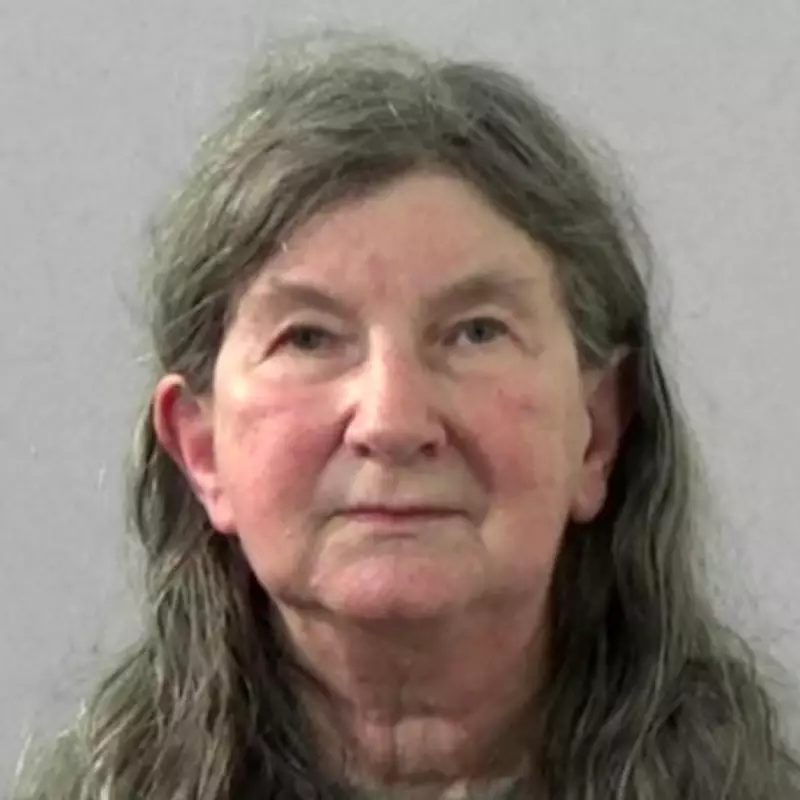
Great-grandmother killed husband after decades of coercive control, review reveals
A great-grandmother who smothered her husband to death has been the subject of a comprehensive domestic homicide review, which has uncovered decades of controlling behaviour, isolation, and severe financial strain within a marriage that ultimately ended in tragedy. Janet Dunn killed her husband Anthony Dunn at their home in Northumberland, with the case shedding light on the often-hidden plight of older abuse victims.
Decades of control and hidden abuse
Janet Dunn, then aged 73, was sentenced to five years and three months in prison in 2022 after pleading guilty to manslaughter at Newcastle Crown Court. The 42-page Domestic Homicide Review into the death of 81-year-old Anthony Dunn documented years of coercive control and financial domination. The report, highlighted by the Safer Northumberland Partnership, has prompted strengthened staff training and a renewed focus on supporting older individuals experiencing domestic abuse.
The review emphasises that older victims frequently struggle to seek assistance because their perceptions of abuse are moulded by longstanding beliefs about relationships and marriage. This cultural conditioning means that signs of coercive control can remain concealed from professionals, family members, and friends. The report stresses that support services must clearly communicate the availability of help for older people and explicitly outline the circumstances under which they can access it.

A relationship built on control
Anthony Dunn, who worked in planning consultancy and architecture, met Janet in the 1960s while she was employed at a planning office. After they began a relationship, Janet became pregnant and was sent to a mother and baby unit in Cumbria, with initial plans for the child to be adopted due to her unmarried status. The couple later decided to keep the baby, married, and went on to have two more children together.
Following the birth of their first child, Janet left her job and began working as her husband's secretary. Their daughters, who contributed to the review, stated that they believed their father expected Janet to work for him and maintained firm control over the business operations. One daughter remarked, "Although my mother assisted my father, I got the impression that he was in control of the businesses and not my mother. It appeared to me that my mother was subservient and would acquiesce to my father’s wishes."
Outward appearances versus private reality
The family relocated to Darras Hall in Ponteland in 1986 and were described as "very private" individuals who outwardly appeared to have a happy and stable marriage. A former business associate characterised Anthony as "charismatic, persuasive, and highly focussed on work," while Janet was repeatedly described as "quiet and compliant" and someone who actively avoided confrontation.
Behind closed doors, however, Anthony's finances were in severe disarray. He frequently borrowed money from business contacts and relatives, and even remortgaged the family home without Janet's knowledge. He was declared bankrupt on two separate occasions, adding to the mounting financial pressures.
Escalating tensions and isolation
One daughter recalled that the couple often argued, despite attempts to conceal their disputes from their children. She remembered constant tension within the household and believed many rows originated from her mother's frustration at her father's actions, even when she was not fully aware of the specific details.
The daughter also experienced her father's controlling behaviour firsthand, describing how he criticised her appearance, opinions, and friends, imposed his views aggressively, and would shout at her while she felt too timid to challenge him. She noted that he often made grand promises, such as purchasing houses or cars, but consistently failed to follow through. On one occasion, the daughters had to deal with bailiffs over an unpaid council tax bill.
Janet was diagnosed with a non-aggressive form of leukaemia in 2011, and Anthony stopped working during the Covid-19 pandemic. Subsequently, the couple became increasingly isolated from their social circles and support networks.

The final breaking point
The review chair stated that Janet claimed she had attempted to leave the marriage several times but felt unable to do so due to a lack of resources. The report found that the couple had no contact with support services beyond routine health checks, although Janet once mentioned to her GP that she was experiencing stress at home.
As Anthony's health deteriorated, financial pressures intensified, with Janet borrowing money, facing council tax arrears, and being pursued over an outstanding loan. Tragically, one of their daughters also passed away during this period.
In March 2022, Newcastle Crown Court heard that Janet "snapped" during a discussion about their finances, smothered Anthony with a pillow, and later attempted suicide at Bolam Lake. Anthony's body was discovered by the couple's daughter at their Beech Court home. Janet was initially charged with murder but pleaded guilty to manslaughter on the grounds of diminished responsibility.
The court heard that she confronted Anthony over an unpaid bill, and after he smiled and told her to sort it out herself, she covered his face with a pillow. The review noted that Janet did not recognise her husband's behaviour as abusive, believing support services were only for women experiencing physical violence.
Key findings and recommendations
The review concluded that Anthony had controlled much of Janet's life, yet she never sought help and "did not recognise his behaviours as abusive." While no specific safeguarding concerns were identified, the report stated that Anthony's long-term control contributed to Janet's low self-esteem, isolation, and fear. Financial pressure and the risk of losing her home again prevented her from seeking assistance, with decades of control creating barriers to recognising abuse, leaving her feeling ashamed and unable to cope without him.
Recommendations from the review include:
- Embedding awareness of domestic and economic abuse in older people into professional training programmes.
- Raising public awareness about the signs of coercive control in later life.
- Establishing a working group to explore routine domestic abuse enquiries in healthcare settings, such as GP practices.
A spokesperson for the Safer Northumberland Partnership said, "The partnership has carefully considered all of the learning arising from this Domestic Homicide Review. Since publication, we have strengthened professional training on domestic abuse in older people, launched new public-awareness materials, and improved signposting to financial and welfare support for vulnerable residents. We continue to work closely with health partners to explore routine enquiry approaches in primary care, and we have reinforced the importance of carers’ assessments across the local health and social care system. This remains an important area of learning, and the partnership is committed to ensuring that older people and carers are better supported and protected from harm."