Growing up within a traditional Sikh household, there existed specific rules that 'good girls' were expected to follow without question. Dating was actively discouraged, and conversations with boys were to be avoided unless there was a clear, practical purpose. My parents genuinely wanted to protect me, and in numerous ways, they succeeded. However, that protective shield also resulted in me living an extremely sheltered existence.
The Weight of Community Expectations
I focused intensely on my academic studies, remained close to home, and adhered to the expectations placed upon me without significant challenge. In my community, a woman's reputation was paramount, with an overwhelming emphasis on maintaining virginity until marriage. This was viewed as the ultimate sign of respectability, personal discipline, and a proper upbringing.
Young women who dated or engaged in pre-marital relationships were frequently subjected to harsh judgment, community whispers, and negative labels. Consequently, I consciously avoided romantic entanglements, steered clear of any situations that could lead to relationships, and convinced myself that waiting for marriage was both the safest and most honourable path available.

A Decision Rooted in Fear
Reflecting now, I understand how profoundly fear guided that crucial decision. I was not freely choosing this lifestyle; rather, I was striving to avoid the deep disappointment of my family and the wider community. After years of avoiding the opposite sex, adulthood arrived with a sudden, intense pressure to find a suitable match and enter into marriage.
By the time I reached my late twenties, a palpable urgency to 'settle down' dominated family life. My parents fretted constantly about my future, while simultaneously fielding incessant, nosy questions from concerned relatives. In a final, desperate attempt to find a husband, I enrolled in a matrimonial service operated through our local Gurdwara, the Sikh place of worship.
The Path to an Arranged Marriage
This method was considered a respectable avenue to meet a partner, with many successful marriages originating from such services. Shortly after joining, I was introduced to a man who appeared highly suitable on paper. He possessed a stable career, an excellent family background, and the full approval of both our families—all essential criteria for a traditional arranged marriage.
We were formally introduced and had several structured 'meetings' that offered minimal opportunity to develop a deeper, genuine understanding of one another. When I voiced my concerns about this lack of connection, everyone around me offered reassurances that compatibility would naturally grow after the wedding. I desperately wanted to believe that promise.
Ignoring the Inner Voice
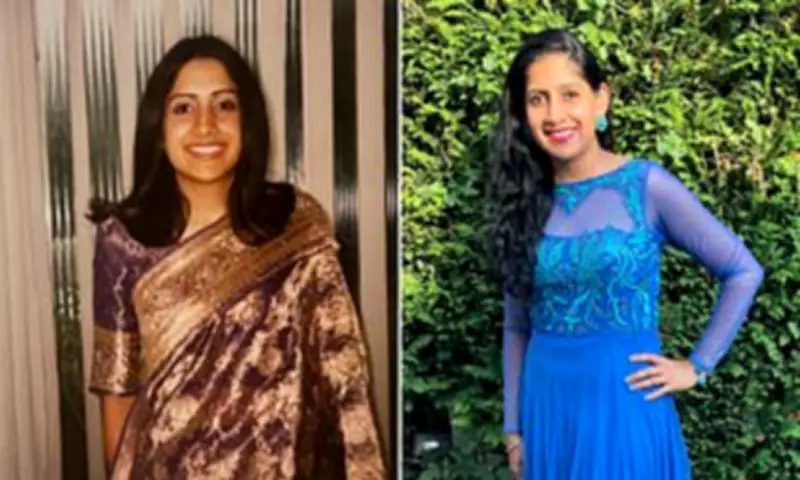
Minreet Kaur, now in her forties, recalls her traditional Sikh upbringing where 'good girls' were expected to follow strict rules, including remaining a virgin until marriage. She has since reflected deeply on her short-lived arranged marriage and her profound regret about not dating more extensively in her youth.
Beneath the surface, however, serious doubts persisted. A quiet, persistent inner voice warned me that something fundamental did not feel right. I remember experiencing significant unease in the days leading up to the wedding, but I forcefully pushed those anxieties aside. I rationalised that pre-wedding nerves were perfectly normal and that marriage inherently required compromise. Above all, I did not want to cause profound disappointment or create conflict within my family circle.
The Reality of a Mismatched Union
Therefore, I proceeded with the marriage. I knew almost immediately that it had been a grave mistake. The emotional connection I had hoped would blossom simply never materialised. Instead of feeling secure and loved, I felt profoundly uncomfortable and emotionally disconnected. The reality of married life was starkly different from my carefully constructed imagination.
One of the most challenging aspects involved the experience of intimacy. I had 'saved' myself both physically and emotionally for my husband, believing wholeheartedly that this was the true purpose of marriage. I believed sexual intimacy would feel meaningful, special, and deeply rooted in love.

A Painful Realisation
Instead, it felt forced, unfamiliar, and like an obligation I was expected to fulfil simply because I was married, not because I felt emotionally ready or genuinely connected to my partner. That stark realisation was intensely painful. I felt a deep sense of regret, not because intimacy itself was wrong, but because I had shared something profoundly personal with someone who was fundamentally wrong for me.
I had spent years protecting my values and waiting for my perfect match, only to discover the relationship completely lacked the essential emotional foundation I needed. I began to feel utterly trapped. Each day, I questioned my decision, grappling with the knowledge that I had ignored my instincts and rushed into a marriage that felt incorrect from the very beginning. As more time passed, it became increasingly clear that this relationship was not going to improve.
The Courage to Leave and Rebuild
After one year, I made the immensely difficult decision to leave and file for divorce. It remains one of the hardest choices I have ever made—but also one of the most liberating. Walking away from that marriage allowed me to reclaim my independence and begin the slow, deliberate process of rebuilding my life from the ground up.
Part of this personal journey has seen me return to an unexpected place; along the way, I decided consciously, once again, to wait for the right person before engaging in a sexual relationship. Some individuals might label this being a 'born-again virgin,' and in a meaningful sense, that is precisely how it has felt for me.
Redefining Intimacy on Her Own Terms
Ending my marriage forced me to reflect deeply on what intimacy truly means. I realised it is not merely a physical act, but something profoundly emotional, personal, and meaningful. After experiencing a relationship where that vital connection was entirely absent, I became even more certain that I did not want to share that part of myself casually or without established trust and emotional safety.
Therefore, after my divorce, I made a deliberate, conscious decision to protect myself—both emotionally and physically—until I met someone who genuinely felt right. This decision has not always been straightforward, especially within today's modern dating culture, where expectations around intimacy often feel radically different from the values I internalised during my upbringing.
Navigating Modern Dating in Midlife
There frequently exists an unspoken assumption that physical closeness should occur rapidly, sometimes within the initial few dates. In contrast, I firmly believe intimacy should grow organically from a foundation of genuine connection, mutual respect, and authentic compatibility.
Dating again in my forties has been a significant learning experience. It can feel intimidating to start over at this stage of life, particularly when many potential partners carry their own emotional histories, responsibilities, and past relationship baggage. I have also observed that the contemporary dating landscape appears more complicated, often featuring mixed intentions and divergent expectations about commitment.
Strength in Caution and Self-Respect
At times, this complexity can make it considerably harder to feel safe opening up to someone new. I have listened to stories from other divorced women about the distinct challenges of navigating mid-life dating—including encounters with individuals who are not always transparent about their circumstances or true intentions.
These shared experiences have made me more cautious, but they have also significantly strengthened my sense of self-respect and clarity regarding what I genuinely want and deserve in a partner. For me, waiting is not rooted in fear or judgment of others. It is about honouring my own personal boundaries and fully recognising my inherent worth.
A Message to Women Facing Similar Pressures
I believe intimacy should be shared with someone who values commitment, honesty, and deep emotional connection—not merely convenience or momentary desire. Some people may perceive this choice as old-fashioned or unrealistic, especially for someone in midlife, but I have no interest in casual relationships or temporary excitement.
I am actively searching for a love that is meaningful, steady, and truly lasting. Yes, waiting can sometimes feel lonely. It can feel as though the odds are stacked against you when you are seeking a genuine connection in a fast-moving, often superficial world. Nevertheless, I still believe the right person is out there.
Choosing Authenticity Over Compromise
Meeting him may require considerable time, immense patience, and unwavering resilience, but I would infinitely prefer to wait for the right relationship than settle, once again, for the wrong one. I share my experience openly because I know countless women face similar societal and familial pressures.
They are often taught to be obedient, cautious, and patient, frequently at the direct expense of their own personal growth and happiness. They may feel afraid to explore relationships or express their desires openly and authentically.
To those women, I want to convey this essential message: It is perfectly okay to take your time. It is okay to date, to learn about yourself, to enjoy life, and to be intimate with someone if and when that aligns with your own happiness.
It is okay to make decisions based fundamentally on your own happiness. Waiting for the right person is not a mistake. The genuine mistake is ignoring your own inner voice when something fundamentally does not feel right.
Looking back, I am profoundly grateful I found the strength to leave an unhappy marriage and begin my life anew. While I cannot change the past, I can actively choose how to live the remainder of my life—with honesty, courage, and the hard-won freedom to make my own decisions.