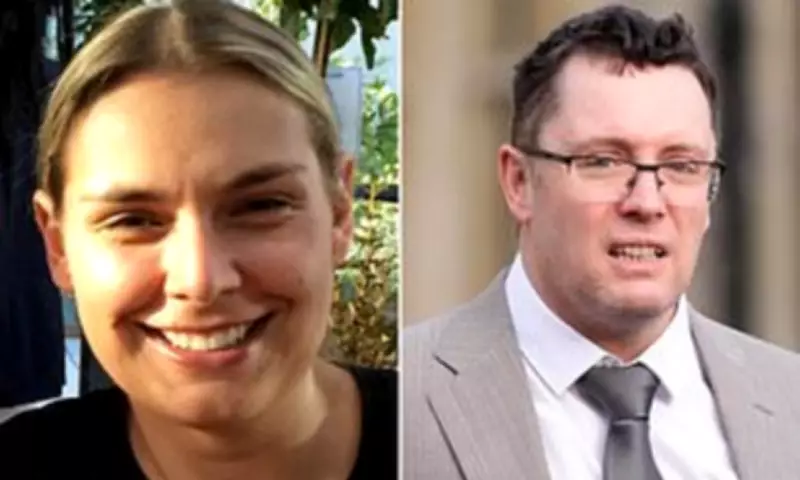
A woman allegedly driven to suicide by her husband told a crisis hotline they "needed to send someone around" because she "felt like ending it" only hours before she was found dead, a court has heard. Tarryn Baird, 34, was discovered hanged at her home on November 28, 2017.
Charges Against the Husband
Her husband, Christopher Trybus from Swindon, stands accused of manslaughter, coercive or controlling behaviour, and two counts of rape. The trial at Winchester Crown Court has been presented with a series of calls made by Ms Baird to emergency services in the lead-up to her death.
Disturbing Calls to Hotlines
On November 27, 2017, Ms Baird called the police non-emergency 101 service to discuss obtaining an occupation order, which determines who can live in a family home. During the call, when asked if she was in a domestic situation, she replied, "Yes." The handler directed her to a contact centre for further options.

The following day, at 7.45 am, she contacted the NHS 111 advice line, stating, "I'm at home now. I'm struggling with suicidal thoughts." When asked how long she had felt this way, she responded, "About a year, quite a while." She confirmed previous suicide attempts and having a plan.
In a second call just eight minutes later, a handler encouraged her, saying, "Thank you for sharing your thoughts and giving us the opportunity to help you. It is the first step to recovery." Ms Baird replied she would get a shower and then go to A&E, with the handler offering support.
A third call at 8 am saw Ms Baird admit, "It's been ongoing for a while. I know this is wrong, I know I'm a suicide risk." Two further calls occurred at 8.09 am and 8.13 am that day.
Final Plea for Help
In a final call to the 111 line at 12:40 pm, sounding emotional, Ms Baird told the handler, "I rang the 111 service this morning regarding suicidal thoughts. They contacted the Crisis team and they said they can't help me. The reason for my call is you need to send someone around." The handler urged her to stay on the line, asking what she felt like doing, to which Ms Baird said, "I felt like ending it. I have written a letter to my family."
Allegations of Abuse and Control
The trial has previously heard how Trybus, a 43-year-old software consultant, allegedly set up a high-tech programme to track Ms Baird's movements. A written statement from Diane Wallace, a civilian safeguarding officer who met Ms Baird in May 2017, was read to the court. Ms Wallace reported that Ms Baird saw emails in Trybus's inbox with subject lines like "Tarryn has left home" and "Tarryn has arrived home," and described him as a "psychopath, calm one minute, completely wild and crazed the next."
Evidence of Physical Harm
Dean Barrett, an osteopath who treated Ms Baird, described seeing six or seven circular bruises on her during one appointment. He told the court she claimed they were from a fall but seemed uncertain. When asked by the defence if the bruises could have been from cupping treatment, Mr Barrett said it could have been, but prosecutor Tom Little KC questioned this, noting traditional cupping marks are typically larger.
Previous Police Involvement
PC Nicola Pearce testified about a previous incident where Ms Baird was found on a bridge over the M4. Ms Baird said she had been for a walk after drinking champagne. PC Pearce spoke with her for half an hour and advised her to call 999 if in danger, even suggesting she could leave the phone on for handlers to hear background noise.
Defence and Denials
The court heard yesterday how Trybus allegedly threatened to harm Ms Baird's family if she left him and put a rope around her throat after she refused sex. Trybus denies all charges, insisting he loved his wife and that her mental health issues led her to lie about his behaviour.
For confidential support, call Samaritans on 116 123, visit samaritans.org or visit www.thecalmzone.net/get-support.