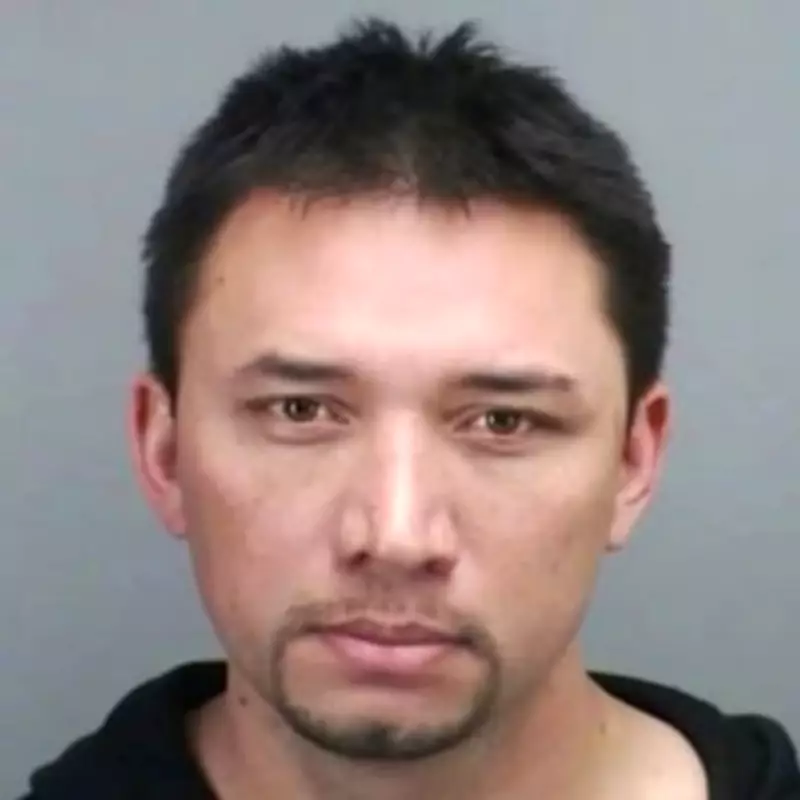
Millionaire Crime Boss Allegedly Staged Fatal Overdose to Protect Illicit Fortune
Prosecutors have made explosive new claims that a convicted Hawaiian crime boss deliberately killed himself in federal custody, staging his death to appear accidental on legal advice. The shocking allegations aim to explain the suspicious circumstances surrounding the demise of Michael J. Miske Jr., who died before facing sentencing for multiple serious federal crimes.
Fatal Plan to Shield $20 Million Fortune from Seizure
According to newly filed court documents, Miske executed a carefully orchestrated plan to overdose on fentanyl, a powerful synthetic opioid. Authorities assert this was done following legal counsel suggesting that an accidental death could potentially delay or prevent the government from confiscating his substantial assets, valued at approximately $20 million (£15 million).
The crime boss had been convicted in July 2024 on thirteen federal counts, including murder and racketeering conspiracy. He died on December 1, 2024, at the Federal Detention Centre in Honolulu while awaiting sentencing, which could have resulted in multiple life sentences.

Assets and a Granddaughter as Sole Beneficiary
Just one week after his conviction, a jury authorized the seizure of Miske's properties and belongings linked to his criminal enterprise. These included valuable items such as art collections, boats, and luxury cars. However, because Miske died before his formal sentencing hearing, his conviction was technically vacated, complicating the government's forfeiture efforts.
This legal hurdle forced authorities to pursue civil court action to attempt to reclaim the illicit gains. Prosecutors highlight that in the months leading up to his death, Miske made significant changes to his estate planning. He designated his granddaughter as the sole beneficiary of his trust, removing all other parties, and transferred several high-value assets into that trust.
These transferred assets reportedly included a Ferrari sports car, two boats, various business accounts, and five vintage automobiles. The timing of these moves, occurring roughly three months before his death, has raised suspicions about his intentions.
Alleged Smuggling Scheme and Staged Overdose
Investigators present a detailed narrative of how the fatal overdose was allegedly arranged. They claim Miske conspired with a former inmate, offering a car in exchange for smuggling fentanyl into the detention facility. This individual supposedly had himself re-arrested to re-enter the centre with the illicit drugs.
Court documents indicate that Miske allegedly began taking small, non-lethal doses of fentanyl over several days prior to his death. Prosecutors emphasize that the crime boss had no known history of hard drug use, supporting their theory that the overdose was a deliberate act designed to mimic an accidental tragedy.
Strong Statements from Prosecution and Defense
US Attorney Ken Sorenson issued a forceful statement condemning Miske's alleged final scheme. "Our criminal prosecution demonstrated that he was a thug who used robbery, assaults, drug trafficking, fraud, chemical weapons, murder, and obstruction to terrorize Hawaii for years," Sorenson declared.
He continued, "When found guilty, Miske resorted to a plan to frustrate the lawful forfeiture of his criminally derived property by scheming to kill himself. Today's amended complaint shows our resolve to pursue these proceeds and deny criminals the power to dictate the fate of their ill-gotten gains."
In contrast, Attorney Edward Burch, representing Miske's trust and granddaughter, vehemently denied the prosecutors' claims. He accused officials of "ignoring the facts and making unsupportable claims," and stated, "We look forward to preventing the government from holding a child responsible for the alleged sins of others."
The case continues to unfold in civil court as the US Attorney's Office seeks to amend its complaint to seize the multi-million dollar fortune, arguing that Miske's death was a calculated final act of criminal obstruction.