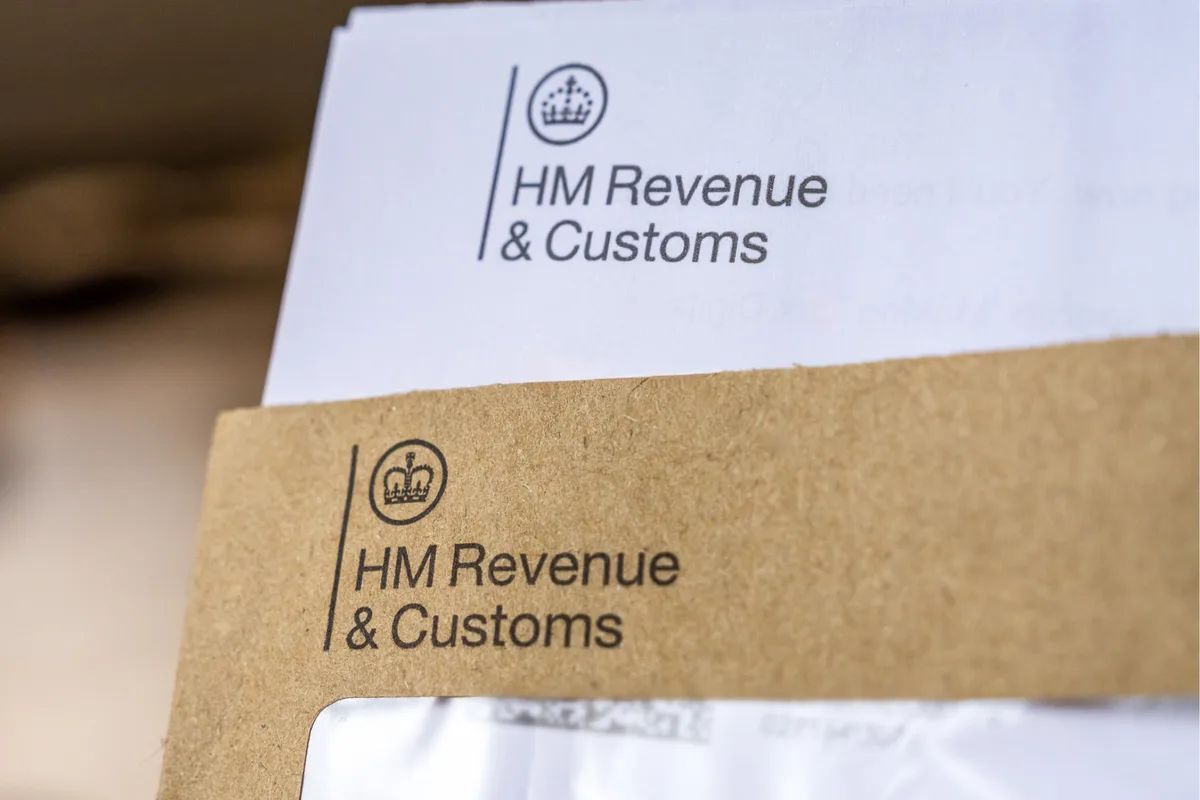
UK’s Top Tax Lawyer Accused of Dodging £2m HMRC Bill
Top Tax Lawyer Accused of Dodging £2m HMRC Bill

A prominent barrister who styled himself as an “adversary of HMRC” is facing allegations of evading nearly £2 million in tax. Robert Venables KC, one of the UK’s foremost tax lawyers, is accused of falsifying his earnings declarations over a seven-year period, a court has heard. He faces three charges of tax evasion.

Elaborate Income Scheme

Venables set up an “elaborate” system for channelling his income as a barrister, Southwark Crown Court was told. Prosecutors allege he deliberately failed to declare some of the money he was receiving. Julian Christopher KC, for the prosecution, stated that Venables “paid almost £2 million less tax than he should have done.” He told the jury: “There is no doubt in this case that Mr Venables did pay less tax than he should have done. The issue for you to determine will be whether that may have been an honest mistake, or whether he did so – as the prosecution allege – dishonestly.”

Professional Reputation

Venables was called to the Bar in 1973 and became a Queen’s Counsel (now King’s Counsel) in 1990. His professional reputation was built on representing taxpayers challenging HMRC over disputed tax bills. Mr Christopher said: “In practice this was the nature of his court work – putting forward arguments as to why HMRC’s analysis of the factual circumstances, or the law, or both, is wrong. It appears that Mr Venables saw himself as something of an adversary of HMRC. For example, he told those attending a tax seminar that as soon as HMRC see that he is involved for the taxpayer in a case, HMRC say: ‘I think we’ll back off this one, we’ll put this one onto the too difficult for the moment pile.’”

Wide Pickt banner — collaborative shopping lists app for Telegram, phone mockup with grocery list

Tax Evasion vs. Avoidance

The case centres on Venables’ annual self-assessments to HMRC between 2014 and 2021. He is accused of falsely declaring his income. The court heard that he channelled earnings through the RVQC Partnership, where he was the sole earner but profits were distributed to partners, allegedly to reduce his tax liability. Mr Christopher emphasised that the trial concerns illegal tax evasion, not legal tax avoidance. “We are not concerned in any way about approval or disapproval of rich people finding ingenious ways to save tax,” he said. “We are concerned in this case with the difference between taking advantage of the law as it stands to find a way of paying less tax – and dishonestly pretending that you are liable to pay less tax than in fact you know you should be paying. Dishonestly paying less than you know you should be paying is not just tax avoidance – it is tax evasion. It is cheating HMRC of tax which you know you should be paying.”

Venables denies three charges of cheating the public revenue. The trial continues.

Pickt after-article banner — collaborative shopping lists app with family illustration