Liverpool Drug Gang's Downfall Linked to Luis Diaz Father Promotion
A Liverpool-based organised crime group's attempt to boost cocaine sales with a promotional offer tied to footballer Luis Diaz's father's release from kidnapping has resulted in their dramatic downfall, with eight members now facing combined prison sentences totalling more than 63 years.
The Fateful Marketing Message
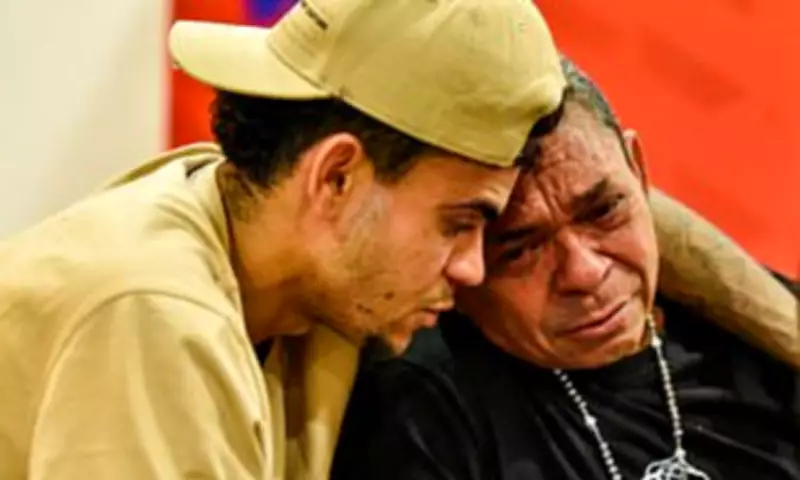
In November 2023, following the release of Luis Manuel Diaz after thirteen days of captivity by Colombian guerillas, the drug gang sent a message to over nine thousand customers on their dedicated "graft phone." The communication promoted a special offer: "3 for £75 for the next hour to celebrate Luis Diaz dad getting released in the Colombian jungle…" This message, intended to drive sales, ultimately provided crucial evidence that helped authorities dismantle the operation.
A "graft phone" refers to a dedicated mobile device used exclusively by organised crime networks to facilitate illegal drug sales and distribution. This particular phone became central to the investigation that led to Monday's sentencing at Liverpool Crown Court.

Sophisticated Criminal Operation
The gang operated with remarkable efficiency, described by one court expert as "never encountering a drugs line as well run." Between October 2023 and May 2025, investigators estimate the group supplied at least 9.9 kilograms of cocaine, generating approximately £620,000 in revenue.
Paul Lockyer, 42, known as "the big fella," led the operation alongside his right-hand man James Neary, 57. The organisation functioned with shift workers fulfilling hundreds of orders around the clock, storing drugs at multiple Liverpool addresses and using the graft phone to coordinate deliveries directly to customers' doors.
Gang Members and Their Roles
The eight convicted individuals held distinct responsibilities within the sophisticated operation:
- Paul Lockyer (42): Main leader sentenced to 11 years and 4 months
- James Neary (57): Second-in-command sentenced to 9 years and 9 months
- Paul McArdle (33): Coordinated deliveries and operated the graft phone, sentenced to 10 years and 1 month
- Stephen Lynch (38): Managed deals and restocking, sentenced to 8 years
- Christopher Horrocks (46): Ensured phone functionality and managed operations, sentenced to 6 years
- Lee Nugent (46): Active dealer, sentenced to 8 years
- Julie McCafferty (43): Prepared drugs, directed couriers, and managed the graft phone, sentenced to 6 years
- Michelle Higgins (39): Stored large cocaine quantities at her home, sentenced to 4 years and 6 months
Investigation and Arrests
The Merseyside Organised Crime Partnership, involving both the National Crime Agency and Merseyside Police, conducted extensive surveillance on the operation. Investigators monitored the graft phone being passed between gang members and observed meetings where drugs were collected.
During arrests executed in May 2025, officers discovered the graft phone alongside a 1-kilogram block of cocaine and significant quantities of adulterant. The investigation seized 874 grams of cocaine valued at approximately £89,000 among other items.
All eight defendants pleaded guilty to conspiracy to supply class A drugs, receiving cumulative sentences of 63 years and 8 months.
Official Response and Community Impact
NCA Senior Manager Jon Hughes of the Merseyside OCP commented: "The group's criminal enterprise functioned like a fast food delivery service for drugs, with cocaine rapidly dispatched to hundreds of people daily and promotional offers designed to encourage repeat business."
He emphasized the broader consequences: "The cocaine trade causes significant harm, including fueling horrendous violence on our streets. Every order this group fulfilled caused additional harm to people and communities throughout Liverpool. It represents a substantial achievement that we have dismantled Lockyer's illicit operation and secured prison sentences for its members."

The case highlights how organised crime groups increasingly employ sophisticated business practices and marketing techniques, while also demonstrating law enforcement's ability to intercept and prosecute such operations through coordinated investigation efforts.