Michigan Synagogue Attacker Linked to Family Losses in Israeli Strike on Lebanon
The FBI is investigating a violent incident at Temple Israel synagogue in West Bloomfield, Michigan, which has been classified as a targeted act of violence against the Jewish community. The attacker, identified as Ayman Mohamad Ghazali, a 41-year-old US citizen originally from Lebanon, rammed his vehicle into the synagogue, resulting in his death and injuries to a security guard.
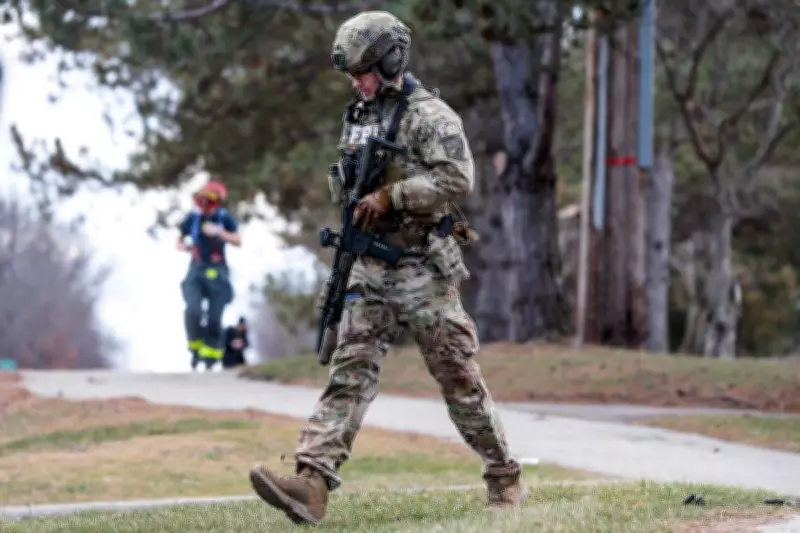
The crash also caused a fire that partially burned the temple, though no children or other staff at the synagogue's early childhood centre were harmed due to a swift evacuation led by staff and law enforcement. According to neighbours and local officials, Ghazali had recently lost several family members, including his niece and nephew, in an Israeli strike in Lebanon, which may have influenced his actions.
FBI Investigates Motive Amidst Community Concerns
The FBI's Detroit field office is leading the investigation into the attack, emphasizing that while the motive remains undetermined, the incident is being treated as a deliberate assault on the Jewish community. This classification underscores the severity of the event and its potential implications for religious safety in the area.

Authorities are examining all possible factors, including Ghazali's personal background and the reported family losses, to understand the full context of the attack. The community has expressed shock and concern, with local leaders calling for unity and increased security measures to prevent future incidents.
Impact on Synagogue and Ongoing Safety Measures
Despite the damage to the synagogue, the safe evacuation of all individuals, particularly from the early childhood centre, highlights the effectiveness of emergency protocols. The incident has prompted discussions about enhancing security at religious institutions across Michigan and beyond.
As the investigation continues, officials are urging the public to remain vigilant and report any suspicious activities. The attack serves as a stark reminder of the ongoing threats faced by religious communities and the importance of proactive safety strategies.