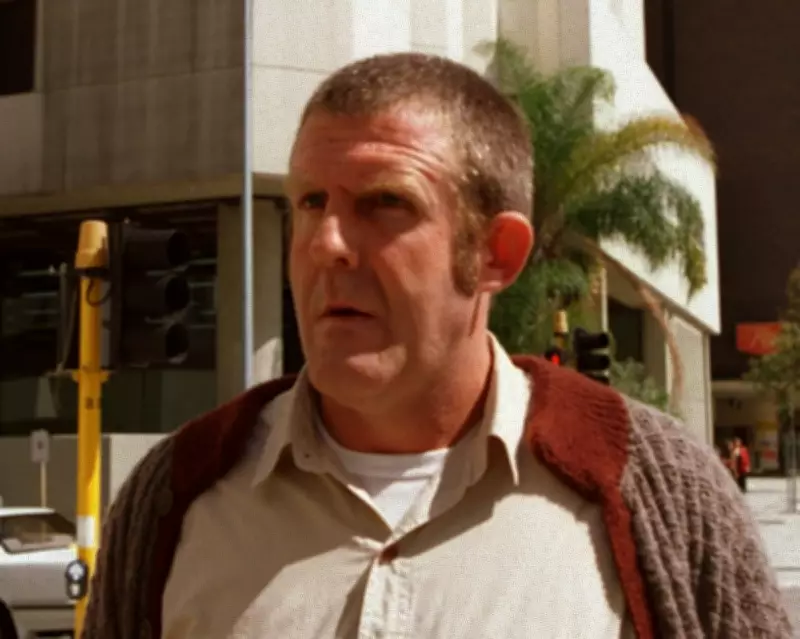
Bradley Murdoch Inquest Concludes: Killer's Final Refusal to Reveal Body Location
The inquest into the death of notorious outback killer Bradley John Murdoch has officially concluded in the Northern Territory. Murdoch, who was serving a life sentence for the murder of British backpacker Peter Falconio, died from throat cancer at Alice Springs hospital on 16 July 2025. The coroner's investigation revealed that Murdoch steadfastly refused to cooperate with police officers seeking information about Falconio's remains right up until his final days.
Final Police Encounter and Murdoch's Defiance
During the inquest proceedings in Alice Springs, counsel assisting Chrissy McConnel detailed how police made multiple attempts to extract information from Murdoch before his death. Just weeks before he passed away, Superintendent Bill Carroll and two other officers visited Murdoch in prison with a final plea. They hoped to show him a video message from Falconio's parents, created with assistance from UK police, in a desperate bid to locate the missing backpacker's body.
"When the officers attended at the prison to speak with Mr Murdoch, he stated his innocence and refused to watch the video," McConnel told the coroner's court. The refusal was absolute and consistent with Murdoch's longstanding position.

In a final attempt days before Murdoch's death, police visited him again in the palliative care unit where he was under 24-hour guard surveillance. This encounter lasted merely thirty seconds before Murdoch yelled at the officers to "get out," effectively ending any possibility of a deathbed confession about Falconio's whereabouts.
The Falconio Murder Case Background
Bradley John Murdoch was convicted for the July 2001 murder of 28-year-old British tourist Peter Falconio and the assault and attempted kidnapping of Falconio's girlfriend Joanne Lees. The crime occurred on the remote Stuart Highway near Barrow Creek, where Murdoch flagged down the couple's van under false pretenses of mechanical problems.
After Falconio went to investigate with Murdoch, Lees heard a gunshot. Murdoch then restrained Lees with cable ties and covered her head before she managed to escape into the bushland. She hid for five hours while Murdoch searched for her with his dog before eventually flagging down a passing truck driver for help.
Murdoch's arrest in November 2003 came after South Australian police obtained his DNA during an unrelated case. This crucial evidence was later matched to DNA found on the makeshift handcuffs used on Lees and on her T-shirt, providing the breakthrough that led to his conviction.
Prison Life and Medical Treatment
The inquest heard that during his 22-year prison sentence, Murdoch had worked as a mechanic and truck driver before his incarceration and completed numerous educational courses while imprisoned. These included furniture making, engineering, and hospitality programs. Prison staff described him as generally "courteous and respectful to other prisoners and corrections officers" during most of his sentence.
However, his demeanor changed significantly after his cancer diagnosis. Murdoch became verbally abusive toward medical staff when he felt he wasn't receiving adequate treatment. He underwent chemotherapy but refused radiotherapy treatment and signed a declaration requesting that he be allowed to die naturally in the event of any medical emergency.
Despite concerns raised by Murdoch's family about his medical care, Coroner Elisabeth Armitage concluded that he had received "high quality and timely medical care" and was treated with consideration and compassion by both health and corrections staff throughout his illness.
Falconio Family's Ongoing Anguish
Peter Falconio's parents, Luciano and Joan Falconio, expressed mixed emotions following Murdoch's death in July 2025. While they described feeling relief that "it's like a weight that's been lifted," they also acknowledged their continued pain over not knowing their son's final resting place.
"We didn't have much faith but we were hoping Bradley John Murdoch would reveal where Peter was before he died," the Falconios stated at the time. "But even now, we still hold out hope that his remains will be found."

A substantial reward of up to $500,000 remains available for anyone providing information that leads to the discovery of Falconio's remains. The case continues to haunt both the Falconio family and Australian authorities, with Murdoch's death closing one chapter while leaving the crucial question of the body's location unanswered.
Coroner's Findings and Case Closure
Coroner Elisabeth Armitage formally wrapped up the inquest on Thursday, concluding the investigation into Murdoch's death from throat cancer. The proceedings confirmed that Murdoch maintained his innocence until the end and never wavered in his refusal to disclose information about Falconio's body.
The case represents one of Australia's most notorious outback crimes, with Murdoch's death marking the end of a decades-long legal saga while leaving unresolved the mystery of Falconio's final resting place. The Northern Territory police investigation remains technically open regarding the location of the body, but with Murdoch's passing, the likelihood of resolution appears increasingly remote.