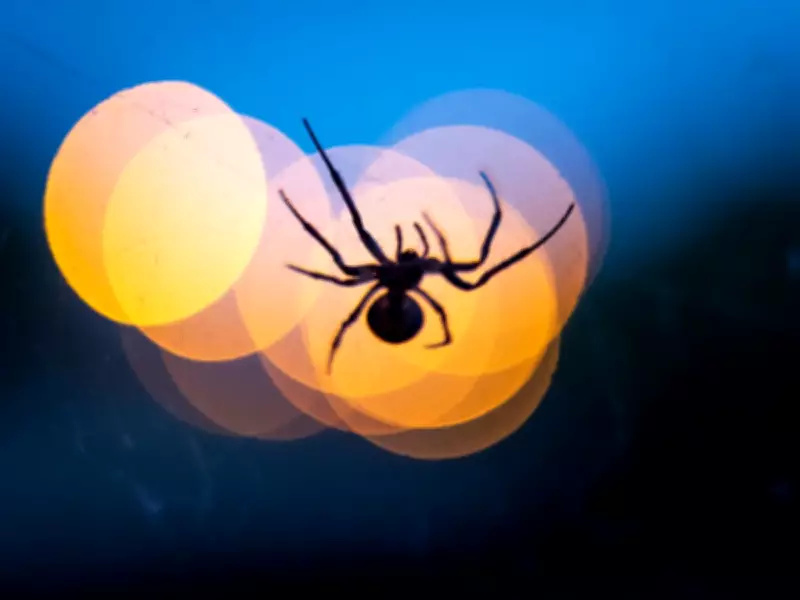
The recent warm weather has triggered a surge in the population of what experts describe as 'the most dangerous spider in the UK,' and they are now beginning to move into people's homes, according to warnings from specialists.
Surge in Spider Sightings
UK searches for 'how to identify a false widow spider' have increased by 5,000% this week, while NHS figures reveal that hospital admissions related to spider bites have more than doubled over the past decade. In 2025, 100 people required hospital treatment following spider bites, compared to 47 cases ten years earlier.
Oxford University ecologist Clive Hambler, who has described the noble false widow as 'the most dangerous spider currently breeding in Britain,' cautioned: 'The days when you could just treat spiders as benign in Britain are over.'

Why Spiders Are Heading Indoors
Experts attribute the spike in sightings to prolonged heatwaves that accelerate breeding in outdoor habitats. When temperatures suddenly drop, the booming spider populations begin forcing their way indoors, squeezing through gaps around window frames, door seals, and air bricks in search of warmth.
Luke Newnes, garden expert at Hillarys, explained: 'A sustained hot spell is good news for false widows — warm conditions speed up breeding and push population numbers higher than normal. The cool-down afterwards is what sends them inside. They are not aggressive and they are not hunting people out, but they will move through any gap they can find in a door threshold or window seal. The entry points are the thing to focus on, and most UK homes have not had those checked in years.'

Common Hiding Spots Around Your Home
- Ivy and climbing plants against walls: Dense growth holds warmth, provides insect prey, and sits directly against brickwork, giving spiders a covered route straight to gaps around window frames.
- Window and door frames: Perished silicone and worn threshold seals are the most common entry points. False widows build webs in the corners of frames and in any gap between frame and brickwork.
- Garden sheds and outbuildings: Undisturbed and warm, sheds harbour large numbers of false widows over summer. They are a primary reservoir for indoor invasions as temperatures fall.
- Soffits and fascia boards: Cracked boards and unscreened roof vents give direct access to loft voids, where spiders can go undetected for months.
- Behind outdoor plant pots and garden furniture: Items stored against external walls create a sheltered corridor to entry points. Moving them away from the house removes that bridge.
Three Quick Fixes to Prevent Infestation
- Check and reseal window and door frames: Exterior-grade silicone shrinks and cracks over time. Any gap you can press a fingernail into is wide enough for a false widow. A tube costs around £5 and takes 20 minutes to apply.
- Replace worn threshold seals and draught brushes: The gap at the base of a back or side door is one of the most overlooked entry points. Brush strips cost under £10 from most hardware stores.
- Cut back ivy and climbing plants touching the house: Cutting back by 30cm from the wall removes the bridge between garden populations and gaps around frames, without harming the plant.