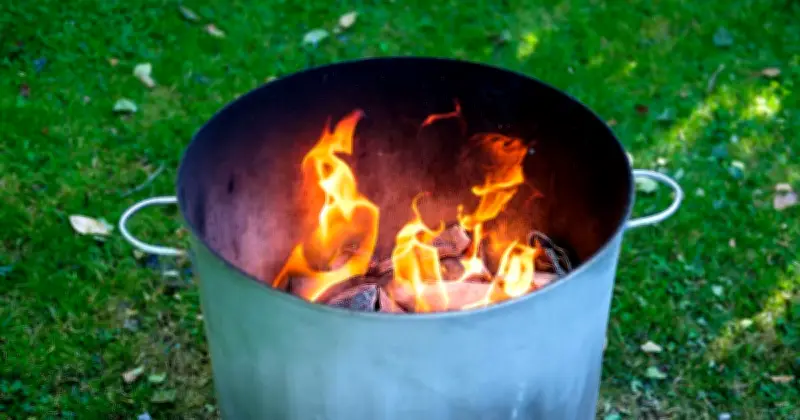
Households in the UK could face unlimited fines and police involvement if they burn garden waste in a way that causes a nuisance or endangers road users, according to guidance from Salford City Council. While burning garden waste is legal when done correctly, regular bonfires that produce smoke drifting into neighbours' properties or across highways may breach environmental and traffic laws.
Legal but Potentially Costly
Domestic bonfires, chimineas, and barbecues are all legal, but if conducted too frequently or carelessly, they can become a statutory nuisance under section 79 of the Environmental Protection Act 1990. Salford City Council states: “It is not unreasonable to have an occasional barbecue, or to occasionally burn clean, dry wood or garden waste on a bonfire. However, if you have fires regularly, they may constitute a statutory nuisance.”
If a nuisance is confirmed by an authorised officer, an abatement notice is served. Breaching that notice can lead to prosecution in magistrates' court and a potentially unlimited fine, plus additional daily fines for continued breaches.

Smoke Drifting onto Roads
Another risk arises if smoke drifts across a road. Under Section 161A of the Highways (Amendment) Act 1986, anyone lighting a fire that endangers road users faces an unlimited fine, enforced by police. The council advises: “Do not allow the smoke to drift across a highway that endangers road users.”
Safe Burning Guidelines
To avoid penalties, residents should never burn treated or painted wood, rubber, plastic, foam, or paint, as these release toxic pollutants. Such items should be taken to recycling centres or collected as bulky waste. The council also recommends: “Avoid burning at weekends, bank holidays and when smoke may be blown into a neighbour's garden. Only burn dry material and don't leave a fire unattended or smouldering.”
Gardeners who follow these rules can legally dispose of excess waste by burning, but regular or careless burning may result in enforcement action and significant financial penalties.