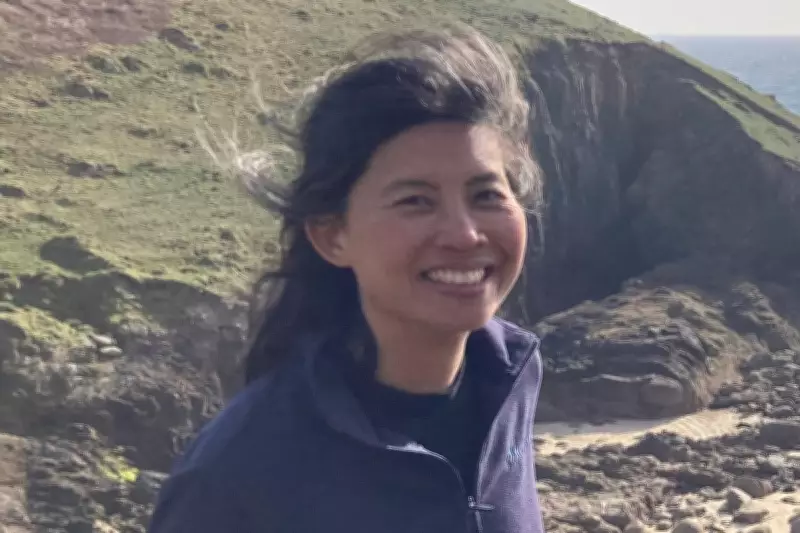
In April 2008, Winnie Li was a victim of stranger rape while on a work trip to Belfast. She had decided to go for a solo hike on her last day when a young man approached and followed her. In a remote area, he became violent and attacked her. Li fought back but was choked and unable to breathe. Realising she might die, she stopped fighting, and the sexual assault occurred.
The Aftermath and Decision to Speak Out
The attack changed Li's life profoundly. For a long time, she suffered from PTSD, anxiety, and depression. As a 29-year-old film producer, she suddenly couldn't function and often couldn't leave her home. She didn't feel shame about the assault itself, but she felt shame at what she had been reduced to.
Li never made a conscious decision to waive her right to anonymity; it happened gradually over the next few years. Recently, more women have chosen to waive their anonymity in sexual assault cases, a trend termed "the Pelicot effect" after French survivor Gisele Pelicot did so in 2024. Last week, Laëtitia R, a mother of four in France, also waived her right to a closed-door trial.

Li's case never went to trial because her attacker pleaded guilty on the day it began. However, from the start, her case was in the local news in Northern Ireland. After the forensic exam, police asked for her permission to issue a public callout for witnesses. With her consent, descriptions of both her and the perpetrator were broadcast. Her name wasn't revealed then, but the experience framed her public identity as a rape survivor.
Back in London, she Googled "rape West Belfast" and found her story all over the news. She heard a chat show where someone said, "That Chinese girl's life is ruined." This shocked her and made her want to speak out to show her life wasn't ruined. Later that year, she wrote an anonymous article for The Belfast Telegraph about her experience.
Going Public
In 2011, Li fully waived her anonymity through an essay in an anthology of women's stories. It was picked up by the press, and her name became public. She then did a live radio interview with BBC Northern Ireland, terrified but feeling she had recovered enough to talk about it.
Over the years, she has done many interviews, given a TEDx London talk titled "Reframing the way we think about sexual violence," and published her award-winning novel Dark Chapter, a fictionalised account of her experience. She is now described as an activist, driven by the desire to change public understanding of sexual violence.
The Impact of Speaking Out
Li sees the lack of public understanding and feels she can contribute to the conversation. She draws parallels with Gisele Pelicot, who recently spoke out about a British judge sparing three teenage boys from custodial sentences after they raped two teenage girls. Li believes Pelicot's bravery inspires more women to waive their anonymity.
Li notes that Pelicot being an older woman is impactful, as the media tends to focus on younger victims. The #MeToo movement in 2017 also encouraged more women to share their stories. The more common this lived experience becomes, the less shame survivors feel.
However, Li stresses that waiving anonymity should not be an expectation. Some women find it liberating, but it's understandable that others would not want their assault to be public. Fears about professional repercussions, especially in traditional male fields, are real. The lingering shame associated with being identified as a rape victim is a significant concern.
Li acknowledges that she can never erase the fact that people can Google her and see her story. She has a six-year-old son who will eventually learn about this. It's an irreversible decision. She says, "I like to think it won't overshadow me being a novelist or professor – but I know it will always be there."
Despite all this, Li does not regret her decision. She sees the impact her work has had on others. Every time she speaks, at least one person comes up to her and says, "It happened to me too." She has had people she knew for years open up about their experiences. "I'd never expect anyone to 'out' themselves as a survivor, but when you do, you gain a realisation that you're not alone. For me, that's made it worthwhile."

As told to Radhika Sanghani. Winnie Li is an activist and author of three books on gendered violence, including 'What We Left Unsaid' (2025) and 'Dark Chapter' (2017).
Rape Crisis offers support for those affected by rape and sexual abuse. You can call them on 0808 802 9999 in England and Wales, 0808 801 0302 in Scotland, and 0800 0246 991 in Northern Ireland, or visit their website. If you are in the US, you can call Rainn on 800-656-HOPE (4673).