Exclusive: Ian Huntley's Poisoning Paranoia and Snack-Food Diet Preceded Brutal Prison Assault
The notorious Soham killer, Ian Huntley, was living in a state of extreme paranoia about being poisoned by fellow inmates, leading him to abandon prison meals entirely and subsist on a diet of snack foods like cheesy Wotsits. This revelation comes as Huntley remains in a serious condition in hospital following a vicious attack at HMP Frankland, where an inmate battered him around the head with a heavy metal bar.
Paranoia and Isolation Behind Bars
Huntley, who is serving a life sentence for the murders of 10-year-olds Holly Wells and Jessica Chapman in 2002, had become increasingly isolated and fearful during his incarceration. According to prison sources, he was convinced that other inmates were "out to get him" and specifically feared being poisoned through the prison food system. This paranoia prompted him to stop eating the standard meals provided by the facility.
Instead, Huntley relied on purchasing fast food and confectionery from the prison shop, a habit that caused his weight to balloon significantly. "He has been living on a diet of things like cheesy Wotsits," a source disclosed. "He would not eat the prison food because he was convinced an inmate would poison him. So he bought snack food from the shop so he knew exactly what he was eating."

The Brutal Attack at HMP Frankland
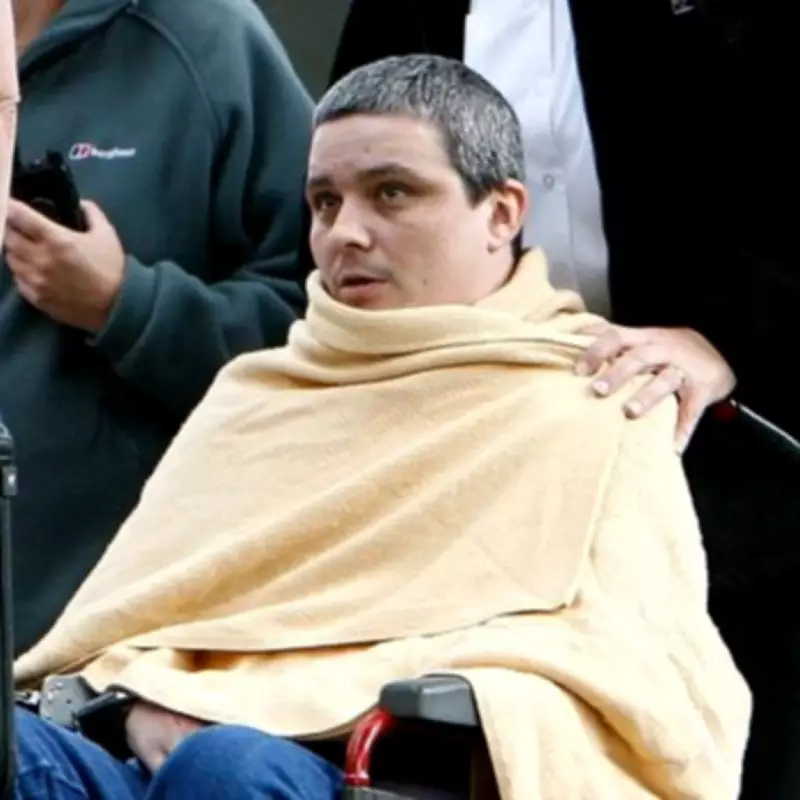
The attack occurred on Thursday morning in a workshop at HMP Frankland, a high-security prison in Durham. Huntley was left in a pool of blood after being struck violently around the head with a metal bar, an assault so severe that there were immediate fears for his life. Durham Police confirmed that there has been no change in the 52-year-old's condition overnight, and he remains in hospital in a serious state.
While police and prison authorities have not officially confirmed the identity of the suspect, sources have named triple killer Anthony Russell as the alleged attacker. This incident marks the third time Huntley has been assaulted while behind bars, following previous attacks at HMP Wakefield, where he was scalded with boiling water in 2005, and another at Frankland in 2010, when robber Damien Fowkes slashed him, requiring 21 stitches.
Heightened Security Measures and Previous Incidents
In an effort to mitigate risks, Huntley had been working as a cleaner on A wing at Frankland, a role that allowed staff to monitor him closely. He was held in a segregated area alongside other inmates deemed at risk of attack, effectively creating a "prison within a prison." Despite these precautions, the attacker struck "when it was least expected," according to insiders.
Huntley's history of violence and self-harm includes two suicide attempts, one at HMP Wakefield in 2005. His paranoia about food poisoning was not unfounded, given his status as a high-profile prisoner and previous targeting by other inmates. "He knew that he was a target," added a source. "That is why he was so paranoid about his food."
Background of the Soham Murders
Ian Huntley was convicted in December 2003 for the murders of Holly Wells and Jessica Chapman, who disappeared after leaving a family barbecue in Soham, Cambridgeshire, on August 4, 2002. He dumped their bodies in a ditch and later fell under suspicion after giving media interviews about the police investigation. He is serving a minimum 40-year term.
His girlfriend, Maxine Carr, a teaching assistant at the girls' primary school, was also jailed in 2003 for conspiring to pervert the course of justice. She was released in May 2004 and given a new identity. The case led to significant changes in criminal checks for those working with children, as it emerged Huntley had faced previous rape and sexual assault complaints while working in Humberside.
The attack at HMP Frankland underscores the ongoing dangers and psychological toll of long-term incarceration for high-profile prisoners like Huntley, whose fears of poisoning ultimately shaped his unusual diet and contributed to his deteriorating physical condition before the latest violent episode.