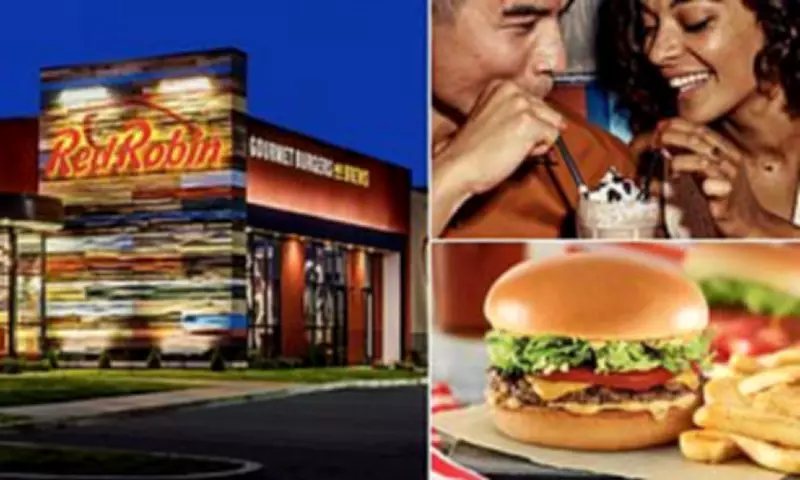
Bottomless fries may still be flowing, but behind the scenes, Red Robin is fighting to keep its burger empire alive. The family-friendly restaurant chain has shut down struggling restaurants nationwide and is scrambling to pay off mounting debt.
Sale of 30 Locations
The company announced it will sell 30 company-owned locations in Washington and western Idaho to franchise operator Evergreen Dining LLC in a deal worth $23.5 million. Proceeds will primarily go toward paying down debt as the chain stabilizes its finances.
Despite the ownership change, the restaurants will continue operating under the Red Robin name. Customers can still expect the chain's signature gourmet burgers and endless fries.

Broader Turnaround Strategy
The move comes as Red Robin attempts to recover after years of declining traffic, rising costs, and restaurant closures that have battered many casual dining chains across America.
CEO Dave Pace said the sale is part of a broader turnaround strategy aimed at streamlining operations, improving profitability, and strengthening the balance sheet. 'We are focused on finding franchise partners who share our values and commitment to delighting guests,' Pace stated.
History and Challenges
Founded in Seattle in 1969, Red Robin grew from a single neighborhood tavern into one of America's best-known gourmet burger chains. It became famous for oversized burgers, customizable toppings, and its Bottomless Steak Fries promotion, which made it a staple for families, teens, and casual diners for decades.
At its peak, the chain operated hundreds of locations nationwide, competing with Chili's, Applebee's, and TGI Fridays. Today, Red Robin operates roughly 500 restaurants across the United States and Canada, but has shrunk its footprint as inflation, labor shortages, and changing dining habits hammered the industry.
The company has closed 'underperforming' locations while modernizing menus, improving service speeds, and boosting digital ordering. It also faces growing competition from fast-casual chains like Shake Shack, Five Guys, and Smashburger, along with delivery apps that have changed how Americans eat.
Financial Struggles
Financial struggles have intensified as consumers pull back on discretionary spending amid higher prices and economic uncertainty. The sale to Evergreen Dining, an experienced multi-brand operator, will transfer 30 locations and over 1,200 employees once the deal closes in the second half of 2026.
Evergreen Dining plans to preserve the chain's presence in the Pacific Northwest. 'Red Robin has been bringing Washingtonians and Idahoans together for moments of connection since 1969,' the company said. 'We look forward to solidifying Red Robin's position as the First Choice in these communities while still offering the same juicy burgers, bottomless fries, and exceptional hospitality.'
For loyal customers, the sale may not immediately change the dining experience, but it underscores the mounting pressure facing even the most recognizable restaurant brands in a difficult market.