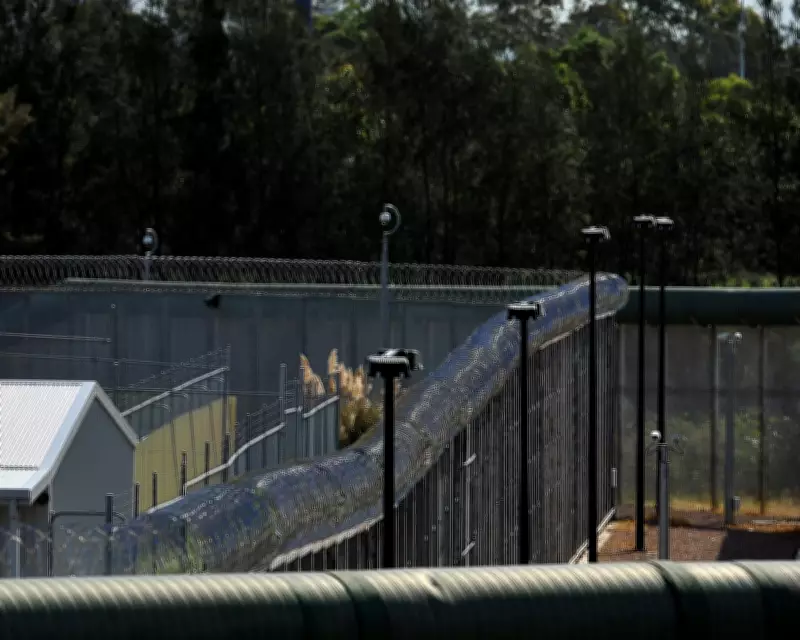
Australian Prison Strip-Searches Criticised as Traumatic and Ineffective
A recent analysis by the Human Rights Law Centre has highlighted the widespread use of strip-searches in Australian prisons, with advocates calling for an immediate ban on the practice. The report, based on data obtained through freedom of information laws, reveals that an average of 15,154 strip-searches are conducted each month across the country, yet only 0.58% result in the detection of contraband items.
Degrading Experiences and Trauma
Former inmates, such as Sara, who spent time in a Melbourne women's prison over eight years ago, describe strip-searches as "degrading and humiliating." A survivor of sexual abuse, Sara found the process deeply distressing, stating it felt like a violation and exploitation. Many prisoners have histories of trauma or abuse, and invasive searches by guards compound this trauma, exacerbating the power imbalance within the prison system. Sara recalled seeing "broken souls" and feeling compelled to comply to avoid consequences.
Data and Disproportionate Impact
The Human Rights Law Centre's analysis covers data from six Australian jurisdictions between 2021 and 2022. It shows that in youth detention centres, an average of 317 strip-searches occur monthly, with a slightly higher detection rate of 4.32%. However, most searches are conducted for routine reasons, and many do not lead to contraband findings or lack proper documentation.

The report emphasises that strip-searches are particularly harmful to women, especially those who have experienced sexual and family violence. It notes that First Nations women and children are subjected to these searches at higher rates than the general prison population. For instance, in the ACT in 2024, Aboriginal and Torres Strait Islander women accounted for nearly half of all strip-searches of women, while in Queensland during 2020-2021, over half of the 700 searches in youth prisons involved First Nations children.
Calls for Reform and Alternatives
Sohini Mehta, a senior lawyer at the Human Rights Law Centre, argues that strip-searches should be replaced with less invasive methods, such as full-body scanning technology similar to that used in airports. She expressed bafflement at the lack of adoption of modern technology in some prisons, even where it is available. The report advocates for trauma-informed and culturally informed screenings to reduce harm.
Advocacy groups like Formerly Incarcerated Girls Justice Advocates Melbourne (Figjam) have joined the campaign to ban strip-searches. A member named Stacey, who contributed to the report, shared her experience as a survivor of child sexual abuse, describing strip-searches as re-traumatising and an abuse of power that offers no support to victims.
Broader Implications and Support
The report describes strip-searches as "a gendered tactic of state violence" that disproportionately affects marginalised groups due to systemic racism and discrimination. It calls for urgent policy changes to protect human rights and reduce trauma in the criminal justice system.
In Australia, support services are available, such as 1800Respect for general crisis support and 13YARN for Indigenous Australians. The findings underscore the need for a shift towards more humane and effective practices in prison management.