An Alabama man is making a final plea for clemency as he faces execution for a 1991 robbery, despite not being the one who killed the victim. Charles "Sonny" Burton, 75, is scheduled to die by nitrogen gas on March 12, 2026, a method Alabama introduced in 2024, in a case that has sparked debate over the death penalty for non-triggermen.
Details of the 1991 AutoZone Robbery
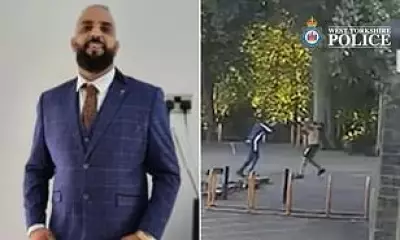
Burton was convicted of capital murder for his role in a robbery at an AutoZone store in Talladega on August 16, 1991. During the incident, Doug Battle, a 34-year-old Army veteran and father of four, was shot and killed by another participant, Derrick DeBruce. Burton maintains he was unaware of the shooting until after the robbery had concluded.
"I didn’t know anything about nobody getting hurt until we were on the way back. No, nobody supposed to get hurt," Burton stated in a recent telephone interview from Holman Correctional Facility. He added that DeBruce later informed him a man had been shot, but Burton claimed he never heard the gunshot and was angry upon learning of it.

Legal and Clemency Appeals
Burton's conviction and death sentence, recommended unanimously by a jury in 1992, have been reviewed at least nine times over 33 years, with no court overturning the decision. However, his supporters, including multiple jurors from the original trial, are urging Alabama Governor Kay Ivey to grant clemency.
Battle's daughter has also written to Ivey, questioning the logic of executing Burton when he did not commit the murder. "Even people who are strongly in favor of the death penalty recognize that this situation is wrong," said Matt Schulz, Burton's assistant federal defender. "Even by the state’s evidence here, Mr. Burton did not kill anyone. Mr. Burton did not order anyone killed. He wasn’t even in the building."
Governor Ivey's spokesperson, Gina Maiola, stated that the governor reviews each execution case but currently has no plans to grant clemency, citing the thorough legal reviews. Alabama Attorney General Steve Marshall's office has opposed the clemency request.
Broader Context of Non-Trigerman Executions
The U.S. Supreme Court permits executions of individuals who participate in felonies where someone is killed, even if they are not the direct perpetrator. According to Robin M. Maher, executive director of the Death Penalty Information Center, at least 22 such cases have been documented where the executed person was involved in a felony resulting in a death caused by another participant.
Maher noted that many believe the death penalty should be reserved for those who actually commit murder. In this case, DeBruce, the triggerman, initially received a death sentence that was later vacated due to inadequate legal counsel; he was resentenced to life imprisonment and died in prison.
Personal Appeals and Family Reactions
Burton has expressed remorse, stating, "I’m so sorry. If I had the power to bring him back, I would. I’m so sorry," and hopes to apologize to Battle's family. He is grateful for forgiveness offered by one of Battle's children and aims to use his experience to mentor youth if granted clemency.
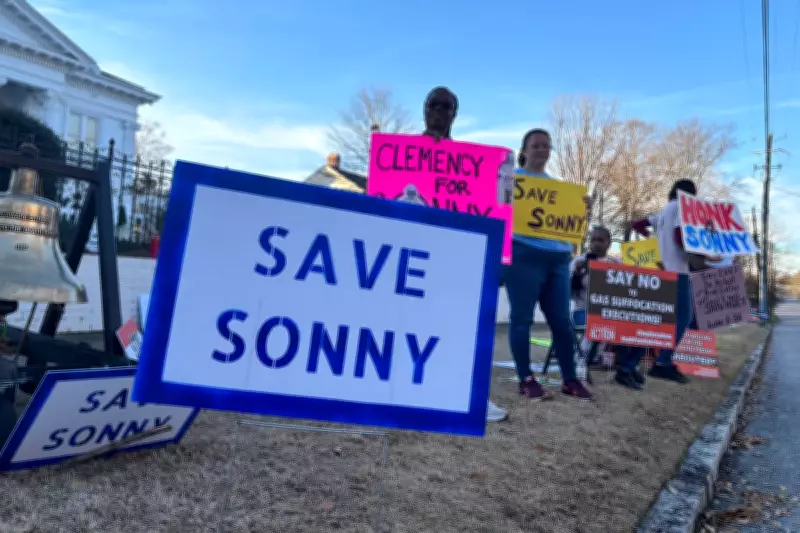
Burton's daughter, Lois Harris, protested outside the governor's mansion last month with signs reading "Save My Daddy" and "Clemency for Sonny." She argued, "It’s not fair that he gets the death penalty and the killer gets life. It is just so wrong."
As the execution date approaches, Burton remains hopeful, praying for a change of heart from the governor. The case highlights ongoing controversies in capital punishment, particularly regarding accountability and proportionality in felony murder convictions.