History is replete with cover-ups that were so poorly executed they became infamous. From military conspiracies to corporate deception, these attempts to hide the truth often made matters worse. Here is a detailed look at some of the most shocking botched efforts in history.
The Dreyfus Affair: A Military Cover-Up
In 1894, French army Captain Alfred Dreyfus, a Jewish officer, was falsely accused of selling military secrets to Germany. Relying on widespread antisemitism, the army selected him as the scapegoat and sentenced him to life imprisonment on Devil's Island in South America. However, in 1896, intelligence chief Lieutenant Colonel Georges Picquart discovered that Major Ferdinand Walsin Esterhazy was the actual spy. Instead of correcting the injustice, Picquart was fired. Writer Émile Zola condemned the affair in his open letter J'Accuse, leading to his conviction for libel and exile. Forged documents had been planted in the evidence, but despite a confession from the forger, a military court again found Dreyfus guilty. He was pardoned in 1899 and awarded the Legion of Honour in 1906.
Tobacco Industry Deception
In the 1950s, the tobacco industry faced a crisis when researcher Dr. Ernst Wynder published a landmark study linking smoking to lung cancer. In January 1954, the Tobacco Institute Research Committee took out full-page ads in 400 US newspapers, stating that “eminent doctors and research scientists have publicly questioned the claimed significance of these experiments.” Behind the scenes, their own research confirmed smoking was deadly. A 1972 industry memo described “creating doubt about the health charge, without actually denying it.” The deception continued until 1998, when attorneys-general from 46 US states sued the industry. Tobacco firms agreed to pay $10 billion annually for damages.

Chernobyl Disaster: Soviet Secrecy
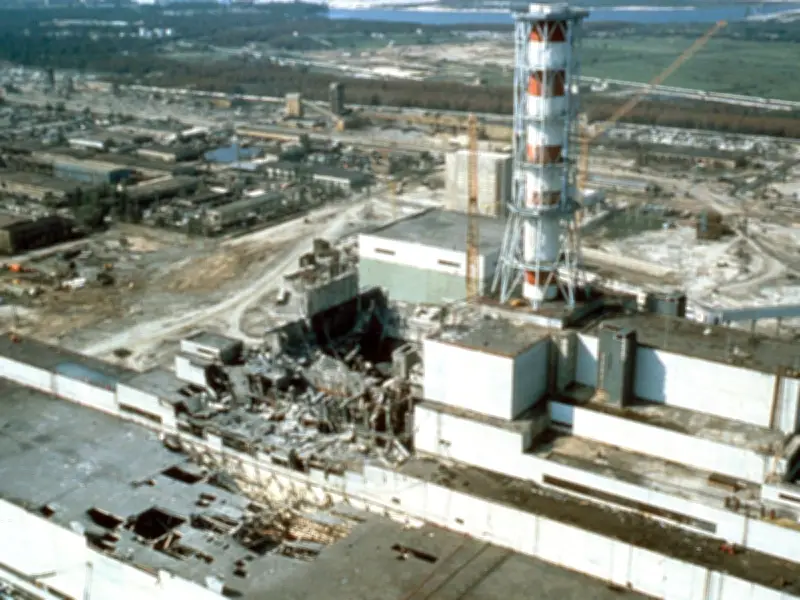
The Chernobyl nuclear disaster in April 1986 involved an explosion at Reactor No. 4 in Ukraine, then part of the Soviet Union. Two workers died immediately, and 28 later perished from radiation poisoning. For 10 days, radioactive gas and debris spewed into the atmosphere, but Soviet officials remained silent until Swedish scientists raised the alarm. Soviet leader Mikhail Gorbachev waited three weeks to mention the accident publicly, claiming the Kremlin “realised the entire drama only later.” The global outcry forced Gorbachev to lift information restrictions on government misdeeds.
Watergate: Nixon's Downfall
In June 1972, five burglars were arrested at the Watergate hotel and office complex in Washington, D.C., while attempting to place listening devices in the Democratic National Committee offices. One burglar, Bernard Barker, had a $25,000 cheque from President Richard Nixon's campaign in his bank account. An FBI probe revealed a massive campaign of political spying and sabotage. Nixon, who won re-election by a landslide that November, refused to hand over secret tapes of White House meetings and fired special prosecutor Archibald Cox. With evidence and impeachment bids mounting, he resigned in July 1974.