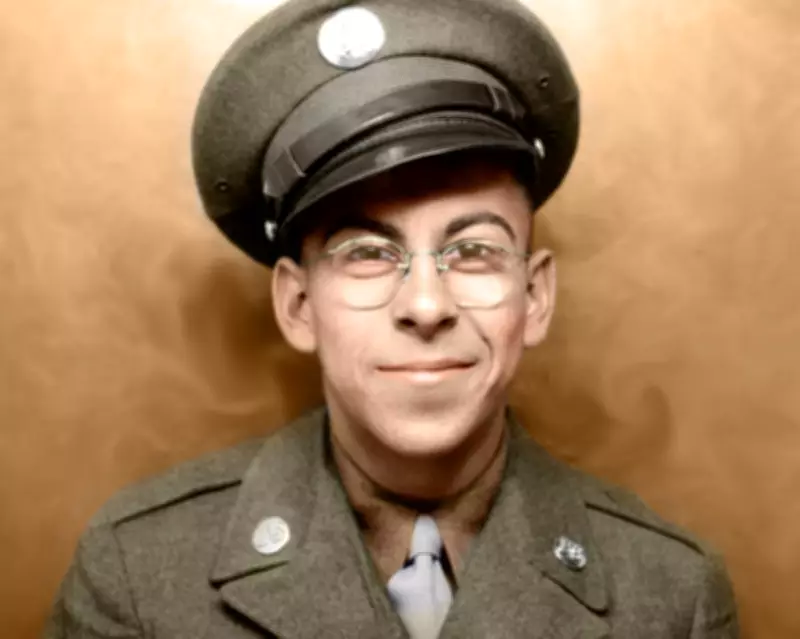
US Soldier Missing Since Korean War Finally Laid to Rest After 75 Years
The remains of a US soldier who vanished during the Korean War have been identified through advanced DNA analysis and laid to rest with full military honors in his hometown, concluding a poignant 75-year saga of uncertainty and loss.
Decades-Long Mystery Resolved Through Scientific Breakthroughs
US Army Sgt Celestino Chavez Jr, who was just 19 years old when he went missing in action in November 1950, was officially accounted for in April 2025. The identification process involved meticulous anthropological analysis and cutting-edge DNA techniques conducted by the Defense POW/MIA Accounting Agency (DPAA) and the Armed Forces Medical Examiner System.
Chavez was wounded while defending his position near the Changjin (Chosin) Reservoir in North Korea before being transported to an aid station on November 30, 1950. Tragically, he was reported missing three days later when enemy forces attacked his convoy. With no evidence of his survival or captivity, military authorities issued a presumptive finding of death on December 31, 1950.

Diplomatic Efforts Pave Way for Homecoming
The breakthrough in Chavez's case emerged from diplomatic developments between the United States and North Korea. Following a 2018 summit between then-President Donald Trump and North Korean leader Kim Jong-un, Pyongyang transferred more than 55 boxes containing remains believed to be those of American service members killed during the conflict.
These remains arrived at Joint Base Pearl Harbor-Hickam in Hawaii, where DPAA scientists began the painstaking identification process. The agency officially declared Chavez accounted for on April 15, 2025, setting the stage for his long-awaited homecoming.
Honoring a Hero's Legacy
On the anniversary of his accounting, Chavez was buried in Gallup, New Mexico, surrounded by family members, senior military leaders, and state officials. The New Mexico National Guard described the ceremony as "a final tribute to Chavez's courage, sacrifice and enduring bond with the state he called home."
During the emotionally charged service, officials presented Chavez's family with both United States and New Mexico flags "on behalf of a grateful nation and state, honoring his military service and the legacy of honor he leaves behind."
Posthumous Recognition of Valor
Chavez received multiple posthumous awards recognizing his bravery and sacrifice. Beyond the Silver Star awarded for continuing to defend his position despite injuries, he also earned the Purple Heart and Korean Service Medal with two Bronze Service Stars.
The full burial honors ceremony served as a powerful reminder of the enduring commitment to bring home every service member, no matter how many years have passed since their disappearance. Chavez's story represents both the tragic costs of war and the persistent efforts to provide closure for families who have waited decades for answers.