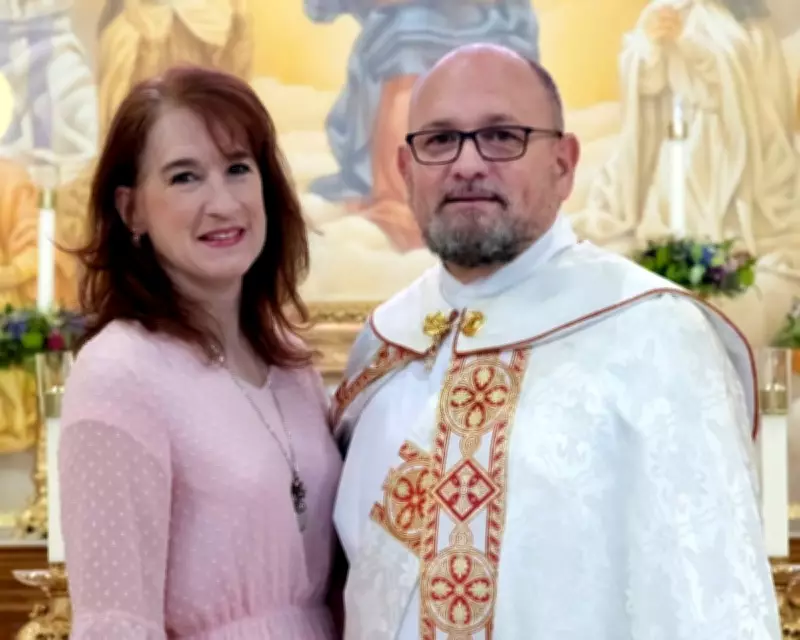
Louisiana Deacon Appeals Excommunication in Church Governance Dispute
A deacon from Louisiana has launched a formal appeal against his excommunication by the Catholic Church, a move that has ignited discussions on religious authority and internal church procedures. The case centres on a dispute over governance and alleged procedural violations during the disciplinary process.
Background of the Excommunication
The deacon, whose identity has not been fully disclosed in public reports, was excommunicated by church authorities following a series of disagreements related to church management and doctrinal interpretations. Excommunication is a severe penalty in Catholicism, effectively barring an individual from participating in sacraments and church community life.
Sources indicate that the deacon had been involved in advocating for changes in local church practices, which led to tensions with higher-ranking clergy. The excommunication was reportedly issued after he failed to comply with directives from church leaders, though specific details remain under wraps due to the sensitive nature of ecclesiastical matters.

Grounds for the Appeal
In his appeal, the deacon argues that the excommunication was procedurally flawed, claiming that proper canonical processes were not followed. He contends that he was not given adequate opportunity to defend himself or present his case before the penalty was imposed.
Key points in the appeal include:
- Allegations of bias and lack of due process in the church's disciplinary actions.
- Disputes over the interpretation of church law and governance structures.
- Claims that the excommunication was motivated by personal conflicts rather than doctrinal breaches.
The appeal has been filed with higher ecclesiastical authorities, who will review the case to determine if the excommunication should be upheld or overturned. This process could take months, as it involves detailed examinations of church canon law and evidence from both sides.
Broader Implications and Reactions
This case has drawn attention from both within and outside the Catholic community, highlighting ongoing debates about authority, transparency, and reform in religious institutions. Some supporters of the deacon view the appeal as a challenge to hierarchical power structures, while church officials emphasise the need to maintain doctrinal integrity and discipline.
Local parishioners have expressed mixed reactions, with some calling for reconciliation and others backing the church's stance on enforcement of rules. The outcome of the appeal could set a precedent for how similar disputes are handled in the future, potentially influencing church policies on governance and member discipline.
As the appeal progresses, observers are closely watching for developments that might shed light on the inner workings of church disciplinary systems. The deacon's case underscores the complex interplay between faith, law, and community in modern religious practice.