Campaigners Demand Law Change to Exclude Music Lyrics from Court Evidence
Campaigners are intensifying pressure on UK ministers to enact a significant legal reform that would render music lyrics inadmissible as evidence in criminal court proceedings. This proposed shift aims to halt a practice that disproportionately impacts young black men and unfairly criminalises artistic creativity, according to advocacy groups.
Amendment to Victims and Courts Bill Tabled in Parliament
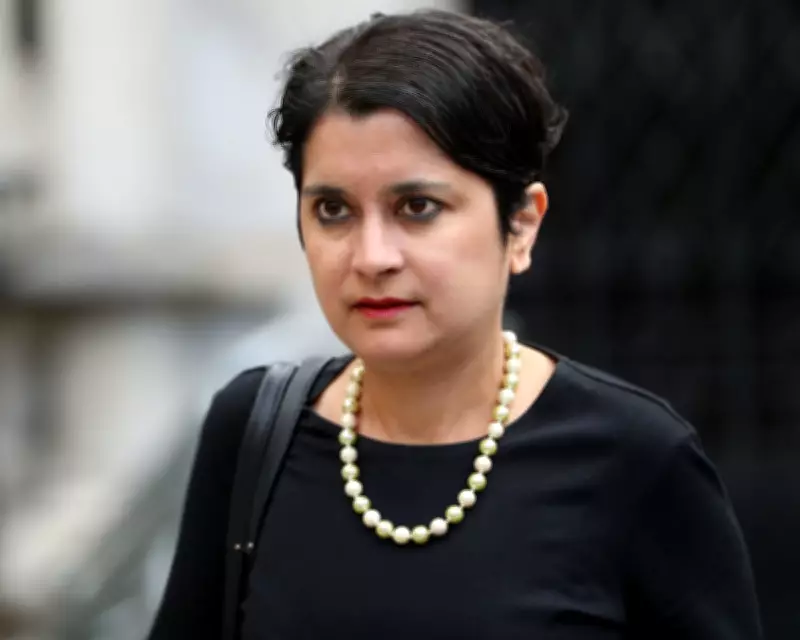
Baroness Shami Chakrabarti has formally tabled a critical amendment to the victims and courts bill, which is scheduled for debate in the House of Lords this week. The amendment, which enjoys support from Baroness Doreen Lawrence, seeks to prohibit police from presenting lyrics as evidence unless they are explicitly literal, rather than figurative or fictional expressions.
Currently, police authorities can introduce lyrics written by defendants, and even highlight appearances in music video backgrounds, as purported evidence of gang affiliation or involvement in criminal activities. This legal framework has sparked widespread concern among civil liberties advocates and artistic communities.

Art Not Evidence Campaign Drives Legislative Change
The Art Not Evidence campaign group, which drafted the amendment through barrister Keir Montieth KC, argues that lyrics should not be interpreted literally. They emphasise that musical expressions are often entirely false, exaggerated, or purely artistic, bearing no substantive connection to alleged crimes.
In an open letter previously sent to David Lammy during his tenure as justice secretary, the group contended that using creative expressions as evidence paints a misleading and prejudicial picture, conflating art with factual evidence in ways that undermine fair trial principles.
Chakrabarti Highlights Absurdity of Current Practice
Baroness Chakrabarti articulated the campaign's stance forcefully, stating, "We're in a ridiculous position at present where somebody's musical taste is somehow probative of their criminal intent. It is like saying that my love of Francis Ford Coppola's The Godfather makes me a mobster. It's extraordinary."
She expressed optimism that Deputy Prime Minister David Lammy would support the amendment, noting that the proposed change would not entirely rule out lyric usage but would strictly limit it to cases where lyrics are directly and specifically related to the facts of the case.
Growing Concerns Over Expert Witnesses and Procedural Safeguards
Campaigners are also advocating for independent expert witnesses in criminal prosecutions involving this form of music, alongside robust procedural safeguards against racial and cultural stereotyping. Chakrabarti criticised the current system, where ex-police officers frequently serve as experts, describing it as "retired police officers enjoying a nice little side hustle as independent experts on rap and drill, which is where something that is abusive becomes positively absurd."
Statistical Evidence and Regional Impact
The number of appeals involving cases where lyrics have been utilised by police has tripled in recent years, highlighting the escalating reliance on this controversial evidence type. The Metropolitan Police in London maintains specific units monitoring online behaviour, including rap videos and related content.
While the Crown Prosecution Service asserts it has never prosecuted anyone solely based on involvement with drill or rap music, it acknowledges that such music may be relevant to specific cases. However, research from 2023 identified over 70 trials between 2020 and 2023 where rap evidence, including lyrics, music videos, and audio recordings, was employed by police and prosecutors to construct cases.
Successful appeals against the use of lyrics or music video appearances remain exceedingly rare. Geographically, London and Manchester emerge as the two cities where this evidence type is most frequently deployed in cases, with lyrics and videos regularly presented in joint enterprise prosecutions, such as the notable Manchester 10 case.

The ongoing parliamentary debate this week will determine whether the victims and courts bill is amended to align with these campaigners' demands, potentially reshaping how artistic expression is treated within the UK criminal justice system.