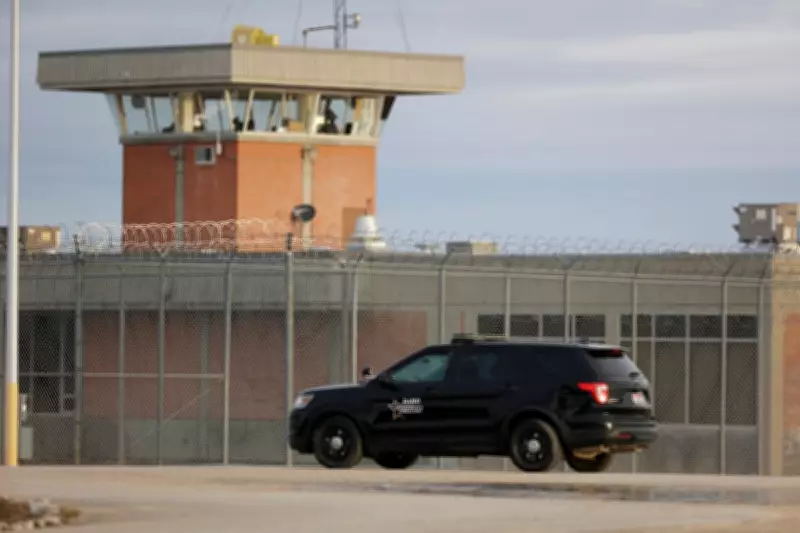
Idaho Lawmakers Launch Independent Probe into Prison Staff Sexual Abuse
Idaho lawmakers have ordered a comprehensive independent review into how the state handles sexual misconduct allegations against prison staff within women's correctional facilities. This decisive action follows investigative journalism that exposed widespread abuse and systemic failures in tracking and prosecuting such cases.
Bipartisan Committee Mandates Evaluation
During a Friday, March 13 meeting, bipartisan members of the Joint Legislative Oversight Committee directed Idaho's Office of Performance Evaluation to conduct a thorough assessment. The evaluation will scrutinize the state's prevention measures, reporting protocols, investigation procedures, and responses to allegations of staff sexual misconduct. The committee further requested specific recommendations for improvement to address identified deficiencies.
This legislative directive comes five months after InvestigateWest's October reporting, which revealed dozens of sexual misconduct allegations against guards in women's prisons. The investigation found these allegations were inconsistently tracked, frequently dismissed without proper investigation, and rarely led to prosecution.

Systemic Failures Prompt Legislative Action
"The reporting suggests systemic failures across all of Idaho's women's correctional facilities," stated a letter from five lawmakers formally requesting the review. Senator James Ruchti, a Democrat from Pocatello, presented the request to committee members, citing InvestigateWest's "Guarded by Predators" series as the "genesis" of the initiative.
Ruchti explained that constituents who read the articles were "very alarmed." He emphasized that the independent evaluation aims not to investigate individual allegations but to determine broadly: "Do we have a problem or don't we?"
"Let's just make sure we don't have a problem with our reporting, with how we train people, all the things we're supposed to be doing because it is a vulnerable population," Ruchti said. "If we're not doing it right, we need to know it."
State Response and Transparency Concerns
The committee's vote followed a mixed response from Idaho state leaders and agencies. Internal emails obtained by InvestigateWest reveal that Bree Derrick, the Idaho Department of Correction director, emailed several lawmakers including Ruchti days before the articles' publication. She aimed to ensure they were not "blindsided" and were "armed with talking points should constituents reach out." In her email, Derrick argued the "gist" of the reporting was untrue, though the department later issued a statement defending its process without identifying factual errors.
Furthermore, Governor Brad Little's office advised state police to withhold information from InvestigateWest reporters about investigations into prison guard misconduct prior to the series' publication. Through victim interviews and public records, InvestigateWest identified discrepancies in the Department of Correction's tracking of complaints. When questioned about missing reports, the department either could not locate or withheld them.
Post-publication, the Department of Correction and the Peace Officer Standards and Training Council began concealing information about officers' employment history, complicating accountability efforts. However, some corrective steps were taken, including reopening a featured case, updating sexual misconduct policy, and supporting legislation to close gaps in prison sexual abuse law.
Evaluation Scope and Authority
Representative Steve Berch, a Democratic oversight committee member, questioned whether the Office of Performance Evaluation could conduct a thorough audit given the state's "fair amount of secrecy." Director Ryan Langrill assured the committee that his staff has the right to access any Department of Corrections records and the authority to issue subpoenas if faced with resistance.
"Hopefully we don't get to that stage, but we have that option," Langrill stated. The Office of Performance Evaluation is a nonpartisan legislative office tasked with promoting government accountability by assessing program efficiency, cost-effectiveness, and achievement of intended results.

Broader Context and Additional Probes
This year, the eight-member committee—comprising equal bipartisan representation—ordered four evaluations. The prison sexual misconduct review will require the most time and resources. Evaluators will also investigate factors driving Idaho's high prison population, where women are incarcerated at triple the national average—the highest rate in the nation—largely due to harsh drug sentences and probation violations. Since 1980, the imprisoned women's population has increased fiftyfold, far outpacing the state's doubled population growth.
Idaho also ranks fifth nationally for combined men's and women's incarceration rates. Two additional probes will evaluate housing development impacts on farmland and county programs for adults needing guardians.
Precedent and Legislative Intent
The lawmakers requesting the review stated the report will help the Legislature "make informed decisions about correctional oversight policy and the protection of individuals in state custody." They referenced a similar June audit that found gaps in state oversight of youth treatment homes, prompted by another InvestigateWest series revealing child abuse with minimal regulatory punishment.
That audit found regulators had never revoked a youth home license despite serious issues, including a facility where a girl was raped by staff. The request notes the evaluation "would build on that work and help the Legislature determine whether comparable reforms are needed."
Evaluations are likely to begin after the legislative session ends, targeted for March 27. This story was originally published by InvestigateWest as part of its Guarded by Predators series and distributed through a partnership with The Associated Press.