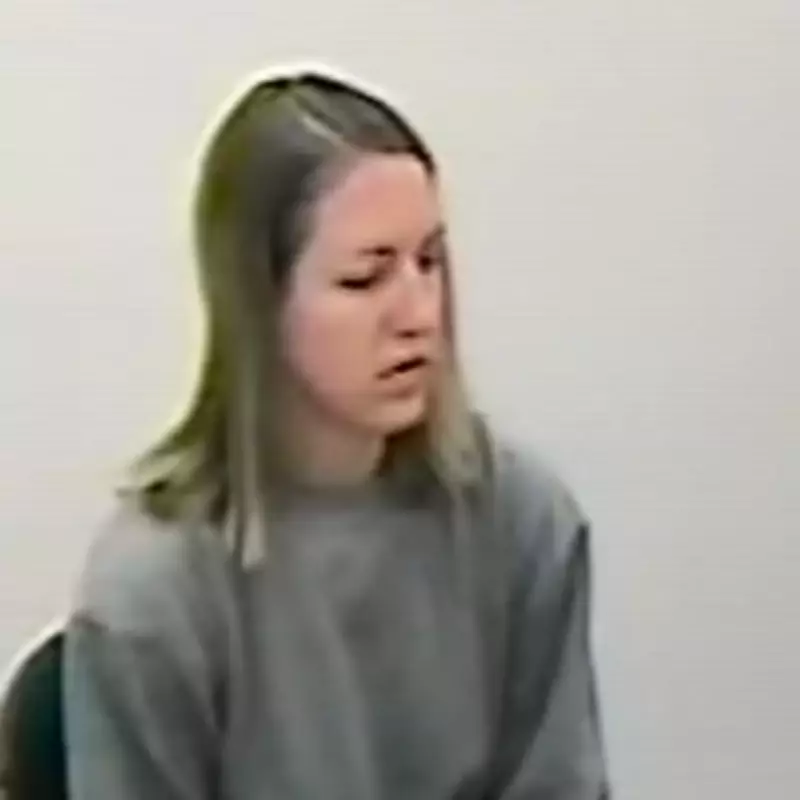
A new Netflix documentary focusing on convicted baby killer Lucy Letby could potentially reignite significant trouble and hostility for her within the prison system, according to exclusive insights from a former inmate who resided on the same wing.
Documentary Sparks Concerns Over Prisoner Safety
Francesca Fattore, who previously served time in HMP Bronzefield and lived adjacent to Letby's current unit, has voiced serious concerns about the impact of the documentary titled 'The Investigation of Lucy Letby'. The programme, which aired on February 4th, features new footage including Letby's arrest at her home and glimpses into her personal bedroom, elements that her parents have condemned as a complete invasion of privacy.
Letby is currently serving fifteen whole-life terms after being found guilty of murdering seven infants and attempting to murder seven others at the Countess of Chester Hospital between 2015 and 2016. She is believed to be housed in House Block 4 at Bronzefield, a unit typically reserved for lifers and inmates demonstrating good behaviour, where privileges such as in-cell showers are permitted.

Historical Precedent of Media Stirring Prison Unrest
Drawing from personal experience, Francesca recalls a similar situation when a Channel 5 documentary aired about Joanne Dennehy, infamously known as Britain's most dangerous female prisoner for killing three men during a ten-day rampage in Peterborough in 2013. Francesca observed that the broadcast "relit the fire" within the prison, leading to increased gossip, renewed attention, and potential abuse towards Dennehy.
She fears an identical scenario could unfold for Letby, stating: "The problem is this could bring up raw feelings in the prison again with her if it is negative towards her. It can cause her to get so much abuse all over again if the dust had settled for her." Francesca elaborated that access to such content, possibly through illicit mobile phones prevalent in prisons, could mean Letby effectively "starts her sentence again" amidst renewed bullying.
Potential for Verbal Abuse and Social Isolation
While physical harm might be less likely on a wing where inmates are cautious about losing privileges, Francesca anticipates that verbal abuse through cell doors and social ostracisation are probable outcomes. "People will be mindful who live on there because it is the only House Block that has showers so people won't want to get kicked off it really," she explained. "But if she is walking down it she is going to get shouted at and all that stuff again."
The documentary's release coincides with ongoing scrutiny over Letby's conviction, with The Criminal Cases Review Commission examining evidence from an international medical panel suggesting poor medical care and natural causes might explain the infant deaths. However, lawyers for the victims' families have dismissed these claims as analytically flawed and a rehash of previously rejected defences.
Broader Reflections on Prison Conditions
Francesca, who has since transformed her life after release in February 2021 and now supports former female offenders, also reflected on the haunting realities of life in Bronzefield. She highlighted severe mental health issues among inmates, recounting: "The worst thing for me that stood out was the self-harming and the mental health in there for me. Hearing the girls screaming all night long because they are mentally insane."
The Netflix documentary explores the extensive media attention from Letby's trial, the subsequent social media frenzy, and the persistent doubts some hold regarding responsibility for the tragedies. As this programme reaches audiences, Francesca's warnings underscore the complex interplay between media portrayals and the volatile dynamics within the UK's prison system, where high-profile cases can continuously disrupt the fragile equilibrium of inmate life.