Serial Child Molester Set for Release Under California's Controversial Parole Program
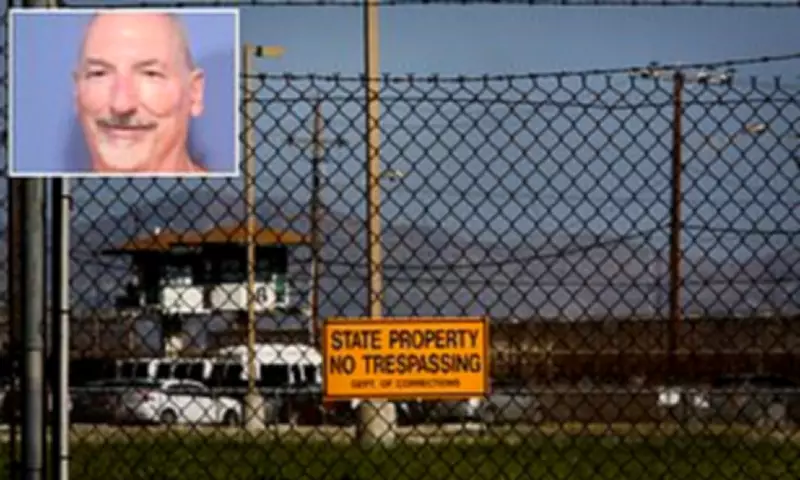
A California serial child molester sentenced to three consecutive life terms is poised for controversial release under a Democrat-supported parole initiative, igniting fierce political backlash and public outcry. David Allen Funston, aged 64, was convicted in 1999 on 16 counts of kidnapping and child molestation, with his crime spree targeting multiple children as young as five years old.
Outrage Over Parole Decision
The judge who originally sentenced Funston described him as 'the monster parents fear the most,' yet despite receiving three consecutive terms of 25 years to life, he will walk free after serving less than three decades. Funston secured parole through California's 'Elderly Parole Program,' which permits sex offenders as young as 50 to be released after a minimum of 20 years imprisonment.
California Republicans have vehemently condemned the decision, urging Governor Gavin Newsom to intervene and block the pedophile's release. State Senator Suzette Martinez Valladares declared, 'If the governor can sign laws with loopholes and appoint the people who make parole decisions, then it's his responsibility to step in and right this egregious wrong.'

Valladares added, 'It made me sick thinking about the pain and suffering he inflicted on his victims, who were very young children, and sick thinking about how a monster like this could be granted parole.'
Political Fallout and Legal Constraints
Funston, currently incarcerated at the California Institution for Men in Chino, approximately 35 miles west of Los Angeles, was initially denied parole in May 2022. After waiving hearings for two subsequent years, he was granted suitability in 2025. The Board of Parole Hearings reviewed and reaffirmed this decision last Wednesday.
Governor Newsom expressed disagreement with the release but stated he lacks authority to overturn the case under state law, according to spokesperson Diana Crofts-Pelayo. Senate Minority Leader Brian Jones accused Newsom of evading responsibility, asserting, 'He signed the bill that gave a board stacked with his appointees the ability to set free a violent, serial child rapist into the community.'
Jones further criticized, 'Spare us the fake outrage, governor. You created this whole system.'
Elderly Parole Program Details
California's Elderly Parole Program renders inmates eligible for parole suitability hearings upon reaching age 50 and serving 20 consecutive years. Release is permitted if the parole board concludes they no longer pose an unreasonable public safety risk. The program does not exclude murderers or sex offenders, though it does not apply to those sentenced to death or life without parole possibility.
Board commissioners determined Funston is no longer dangerous due to his participation in self-help programs, therapy, and sex offender treatment classes. One commissioner noted he had 'gained sufficient coping skills and tools to address defects in order to avoid repeating past mistakes.'
Victim Impact and Community Response
Funston's crimes involved luring children playing outside their Sacramento-area homes with candy or toys. In a 1995 instance, he used a Barbie doll to entice a young girl before taking her to a residence and penetrating her with his fingers.
Sacramento County Sheriff Jim Cooper denounced the parole grant as 'dead wrong,' questioning, 'what the hell is happening' in California. Cooper emphasized, 'Someone that does these type of things, they don't deserve a second chance in life.'
Funston's Background and Apology
During his September 24 parole hearing, Funston revealed he was sexually abused by his half-sister in childhood and endured physical and verbal abuse at home. He described himself as a 'selfish coward' and apologized for his actions, stating, 'I am disgusted and ashamed of my behavior and have great remorse for the harm I caused my victims, their families in the community of Sacramento.'
Funston acknowledged pedophilia as a lifelong condition, remarking, 'I am aware of that and that's why I work so hard to managing my behavior and on practicing my urge control plan.'

The exact release date remains undisclosed, as the parole grant does not guarantee immediate freedom. The California Department of Corrections and Rehabilitation's Board of Parole Hearings has not provided additional comment.