Netanyahu and Trump Already Divided as Iran Launches Deadly Strike on Israel
In the central Israeli city of Beit Shemesh, a half-ton Iranian ballistic missile evaded Israel's formidable air defences, flattening a synagogue bomb shelter and killing 11 people, including three teenage siblings and a mother with her son. The attack, which occurred on Wednesday, 4 March 2026, represents Iran's deadliest assault on Israel to date, wounding dozens and devastating a close-knit community.
Local Resilience Amid Devastation
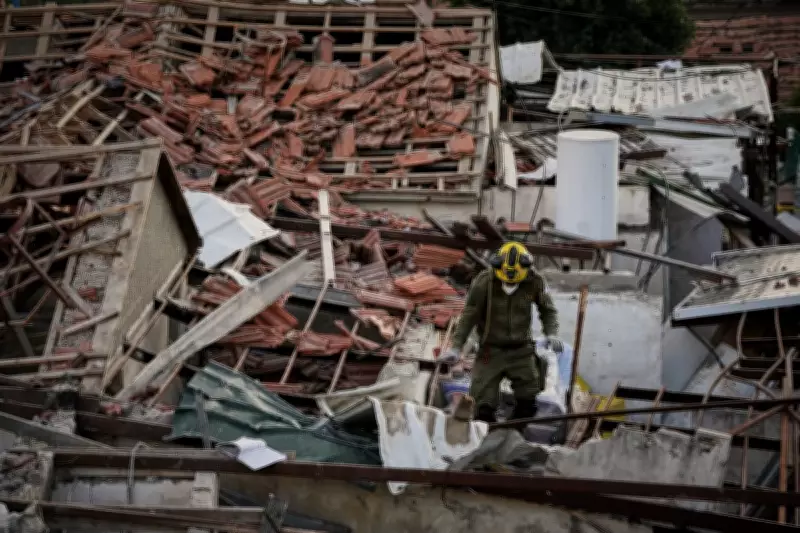
At the scene, rescue workers and military personnel sifted through tottering slabs of dislocated concrete and mangled masonry, where a large, shallow depression marked the former public shelter. Civil servant Mordechai Shadi, 42, whose house opposite the destruction suffered gaping roof holes from the blast shockwaves, expressed unwavering support for the war. "It's right that Iran was attacked. There was no other option," said Shadi, a religious Jew reflecting the majority opinion in Beit Shemesh, where 80% of residents are observant.
Electrician Dror Azulai, 50, a secular neighbour who lost friends in the strike, echoed this sentiment: "It should have been done a long time ago. [Iran] is a country that threatens the world." However, the attack's sheer force—capable of damaging houses up to 200 metres away—highlighted the limitations of Israel's defences against direct hits.

Strategic Divisions Between US and Israeli Leaders
Despite local appetite for the conflict, early divisions have emerged between US President Donald Trump and Israeli Prime Minister Benjamin Netanyahu over war aims. Trump, without explicitly stating it, appears to favour toppling the regime in Tehran, while his defence secretary, Pete Hegseth, indicated the goal is confined to ending Iran's nuclear programme. This mixed messaging complicates the alliance's strategy as the war unfolds.
The opening days saw successes for the US-Israel alliance, with intelligence leading to the "decapitation" of Ayatollah Khomeini and senior officials, though not all were eliminated. Iran's retaliation, while more random than strategic, has forced millions of Israelis into shelters and closed schools, demonstrating the regime's preparedness despite depleted military resources from last year's conflicts.
Political Stakes and Public Sentiment
For Netanyahu, the war offers a chance to shore up political support in an election year, as voters still blame him for the Hamas attacks three years prior. He aims to "go all the way" by toppling Iran's regime to shift the regional balance of power. In contrast, Trump, wary of prolonged conflicts, has optimistically predicted a resolution in "four weeks or less," though doubts persist even within his MAGA circles.
Back in Beit Shemesh, landlady Gili Perez, 50, offered a nuanced view. While supporting the war's initiation, she expressed concern over its duration: "People can't go out of their houses half the time. The schools are shut," she said, noting her 16-year-old son now sleeps in their shelter. "We're used to everything in Israel, but three years of war is enough."
The war remains popular among Israelis for now, but questions linger about the public's willingness to bear the costs if Netanyahu pursues a prolonged campaign to achieve his objectives, reliant on continued US support.