Pakistan Arrests Alleged Mastermind Behind Deadly Shiite Mosque Bombing
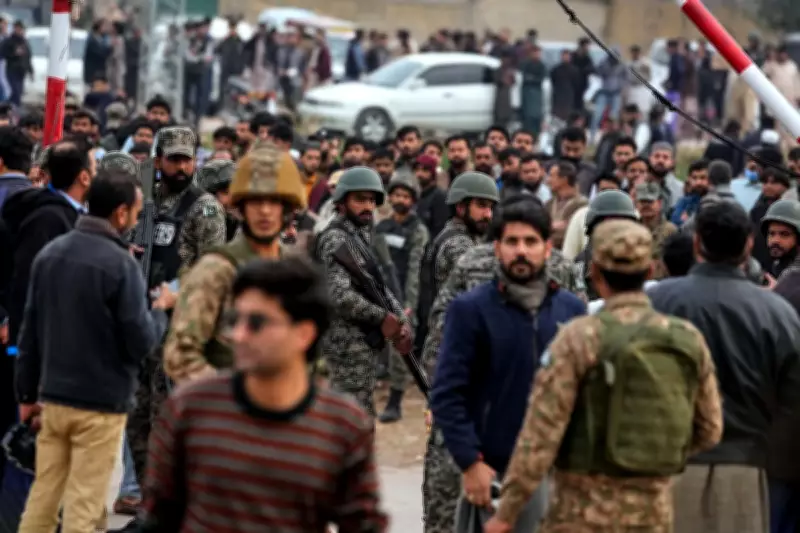
Pakistani security forces have conducted multiple raids, resulting in the arrest of four suspects linked to a devastating suicide bombing at a Shiite mosque on the outskirts of Islamabad. The attack, which occurred on Friday, has now claimed 36 lives and left 169 people wounded, marking the deadliest incident in the capital since 2008.
Mastermind and Facilitators Apprehended
Interior Minister Mohsin Naqvi announced the arrests, identifying the alleged mastermind as an Afghan national with connections to the Islamic State group (ISIS). The minister claimed the attack was planned and the bomber trained in Afghanistan, with financial backing from India, though no immediate evidence was provided. New Delhi and Kabul have not yet commented on these allegations.
Naqvi emphasized that while one attack succeeded, many others are being prevented, addressing public concerns over security lapses. He also warned that militant groups operating from Afghan territory pose a threat not only to Pakistan but to regional stability, urging international attention.

ISIS Claims Responsibility and Sectarian Targeting
A regional affiliate of ISIS, identifying itself as ISIS in Pakistan, claimed responsibility for the bombing through its Amaq News Agency. The group described the attacker as opening fire on security guards before detonating his explosive vest at the mosque's inner gate. In its statement, ISIS labeled Pakistani Shiites as a "human reservoir" for Shiite militias fighting in Syria, justifying the attack as targeting legitimate enemies.
This incident highlights ongoing sectarian tensions in Pakistan, where ISIS, a Sunni extremist group, has repeatedly targeted the Shiite minority. In 2022, a similar suicide bombing at a Shiite mosque in Peshawar killed 56 people, underscoring the persistent threat.
International Condemnation and Regional Tensions
The attack has drawn widespread condemnation from the international community, including the United States, Russia, the European Union, and China. Chinese officials expressed deep shock and pledged support for Pakistan's efforts to maintain national security. Prime Minister Shehbaz Sharif thanked global leaders for their sympathy and stressed that international cooperation is crucial for counterterrorism efforts.
However, the incident has also exacerbated tensions between Pakistan and Afghanistan. Defence Minister Khawaja Mohammad Asif suggested that militants based in Afghanistan could strike even in Islamabad, prompting a sharp rebuke from Afghanistan's Taliban government. The Afghan Defence Ministry condemned the attack but criticized Asif for "irresponsibly" linking it to Afghanistan, denying long-standing accusations of harboring militants.
Funerals and National Mourning
More than 2,000 mourners gathered for funerals at the same mosque, where coffins of about a dozen victims were brought. Shiite community leaders and senior government officials joined the somber ceremonies, with other funerals scheduled in victims' hometowns. The attack has reignited fears over rising militant violence in Pakistan, attributed to groups like Baloch separatists and the Pakistani Taliban (TTP), despite the capital's relative calm compared to other regions.
As investigations continue, authorities vow to bring all perpetrators to justice, emphasizing the need for robust security measures and international collaboration to combat terrorism effectively.