Aardman's Stop-Motion Exhibition at Young V&A Aims to Inspire Future Animators
An illuminating exhibition at the Young V&A in east London is showcasing the work of Bristol-based Aardman studios, the world's leading stop-motion animation outfit. Titled Inside Aardman: Wallace & Gromit and Friends, the show opens on Thursday and runs until 25 November, offering a unique peek behind the curtain of this beloved British studio.
Early Designs and Evolution of Iconic Characters
The exhibition reveals fascinating early sketches of Nick Park's much-loved characters. Wallace was once depicted with a moustache, straw boater, and postman's coat, while Gromit had fangs and the ability to speak. These designs were judiciously smoothed over time, with Gromit becoming toothless and mute, and Wallace's face widened into a friendlier visage after Park watched Peter Sallis, the original voice actor, enunciating the word "cheese".
Aardman's Enduring Success and Exhibition Details
Aardman, celebrating its 50th anniversary this year, is one of UK film's most enduring success stories, with four Oscars and eight Baftas to its name. Its first film, Chicken Run, remains the highest-grossing stop-motion movie ever, earning $225 million. The latest Wallace & Gromit special, Vengeance Most Fowl, became the BBC's most-watched scripted show in two decades after its Christmas Day 2024 broadcast.

Sales for the exhibition are robust, with over a quarter of tickets already sold and the first three weeks completely booked out. More than 150 items are on display, including never-before-seen models, sets, and storyboards from Aardman's archives. These are particularly precious due to a 2005 fire that destroyed thousands of items, including original Creature Comforts and Chicken Run models.
Interactive Displays and Hands-On Learning
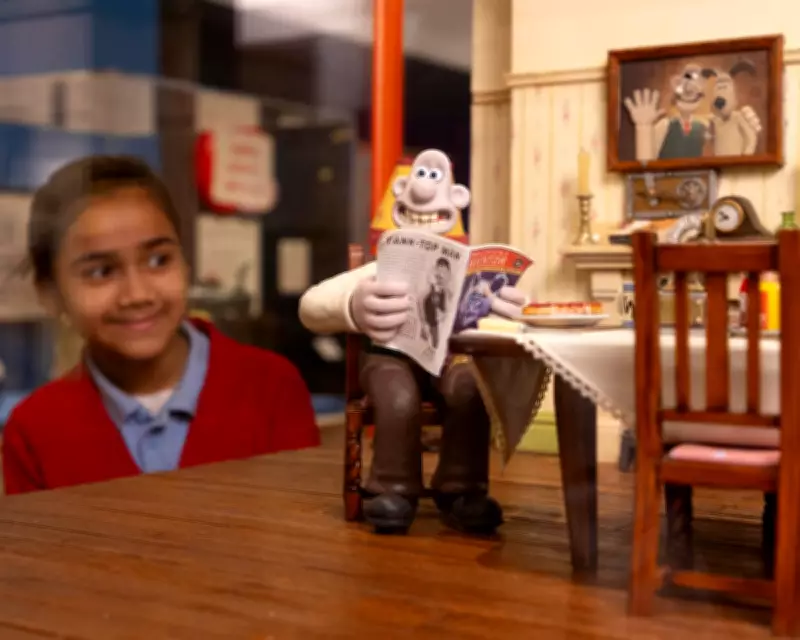
The exhibition's layout recreates the experience of touring Aardman's studios, aiming to inspire children to pursue animation. Chief curator Alex Newson explained that boards around the four large rooms outline key studio jobs like writer, puppet maker, and director of photography, along with the required skillsets.
Children are encouraged to get hands-on with interactive elements included in the ticket price. One area allows them to shoot a 20-frame stop-motion short using Playmobil figures, while another provides tools like rubber gloves and coconuts for creating soundtracks. Many models are designed to be handled, including samples of their malleable metal skeletons.
The Founders' Humble Beginnings and Studio Growth
Aardman's co-founders, Peter Lord and David Sproxton, began modelling together as schoolboys in the 1960s on Lord's kitchen table in Woking. "Our working hours were constrained by mealtimes," Lord recalled. "We had to finish by 6pm and get out of the way." They borrowed a 16mm clockwork camera from Sproxton's father, giving them an unusual advantage at the time.
"Now it's democratic because everyone's got a camera," Lord noted. "And it's such a powerful thing for young people to be able to bring something to life." The studio was founded in 1976, revitalized by Nick Park's arrival in 1985, and now employs over 500 people.
Stop-Motion's Unique Appeal and Technical Process
Newson described Aardman as "an incredibly complex and skilled operation" that is also remarkably slow, with each animator producing only about two seconds of footage daily. Yet, he emphasized that stop-motion is "one of the most accessible creative processes, even a small child can grasp it."
The exhibition highlights how Aardman balances traditional craftsmanship with modern technology. "The digital processes support the handcrafted processes," Newson said, noting that thumbprints are generally left intact while cutting-edge software aids innovation.
International Reach and Future Ventures
Aardman's global popularity is evident through theme parks in Japan, Sweden, New Zealand, Australia, and outside Liverpool. Wallace and Gromit are particularly popular in South Korea, while Shaun the Sheep's lack of dialogue explains why these characters account for 35% of the studio's overseas business.

Other ventures include a Shaun the Sheep circus show opening in Manchester this year, various partnerships, and even a questionable Shaun the Sheep restaurant in Dubai with a menu featuring lamb's brain and trotters. The exhibition concepts have been refined through years of school workshops and young internships pioneered by the company.
For Lord, working with clay remains a "simple pleasure" that can coexist with smartphone technology. "What we do at Aardman is really technical and complicated," he reflected. "It requires great skill and patience, but even so, it's basically telling jokes and funny stories and creating good characters. Yes, we've done clay for 50 years. But we've also done play."