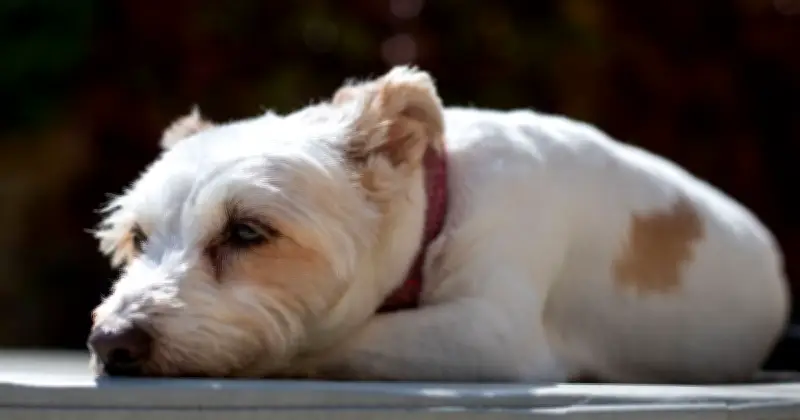
Dog trainer Sarah Hodgson has outlined a crucial three-step process for pet owners who must leave their dogs home alone, addressing the common issue of separation anxiety in canines. Healthy adult dogs can typically be left alone for four to six hours, with a maximum of eight hours, but many pets struggle with the experience.
Understanding Canine Anxiety When Left Alone
Dogs are naturally social animals, so feeling anxious when left by themselves is entirely normal, especially if it is a new experience. Sometimes owners have no choice but to leave their dog at home, making it vital to teach the pet to feel comfortable when staying alone.
Sarah Hodgson, a dog trainer, podcaster, pet behaviour consultant and author of several books including Dog Anxiety for Dummies, shared her advice in a TikTok video. She explained: "When thinking about leaving your dogs home alone, here is a big thing to consider. When you leave the house you want them to be relaxed. You don't want them to feel agitated, anxious, aggressive."

The Three-Step Process for a Calmer Dog
Hodgson warned that if dogs are left in a room with wide open windows overlooking the hallway or street, they will "assume the role of border patrol" – meaning every time something passes by or they hear a noise, they will "react in a territorial fashion." She explored how dogs naturally behave, especially those with guarding instincts.
Offering three steps, Hodgson advises that when leaving your dog home alone, creating a secure and soothing environment for your pet is essential, such as a crate or designated room, ensuring it feels "comforting" to them. She also suggests employing sound-cancelling music or audio to eliminate noises from outside your home.
The dog trainer then encouraged owners to stay calm when arriving home. She added: "When you come in you want it to be a joyous occasion but keep your energy level calm and they'll mirror what you're modelling."
Establishing a Calmer Routine
In the caption of her TikTok video, Hodgson noted that establishing a "calmer home alone routine means a more relaxed dog throughout the day", which proves beneficial in numerous situations, such as receiving guests or going out for walks. She wrote: "When you leave the house, you want your dog to feel relaxed – not anxious, agitated, or on high alert. If they have access to large windows facing the street or hallway, they'll assume the role of Border Patrol – barking at every passerby, getting stuck in a cycle of adrenaline and stress. Instead, create a safe space for your dog while you're out."
Dogs Trust Reinforces the Advice
Reinforcing her advice, Dogs Trust, the UK's foremost dog welfare charity, provided its own recommendations on helping dogs adapt to being left alone. It stated: "Before leaving your dog home alone, you need to teach them that it is alright and that they will be able to cope on their own. The more you do this before you actually need to leave the house, the easier it will be when you do."
Dogs Trust advocates several practical steps, such as providing a comfortable bed, establishing a "doggy den", utilising baby gates to gradually introduce your pet to periods of separation, and encouraging your dog to settle calmly while you are busy, rather than rewarding them with attention each time they follow you around. The charity further recommends gently getting your dog used to spending increasingly longer periods alone, both while you remain at home and when you venture out.