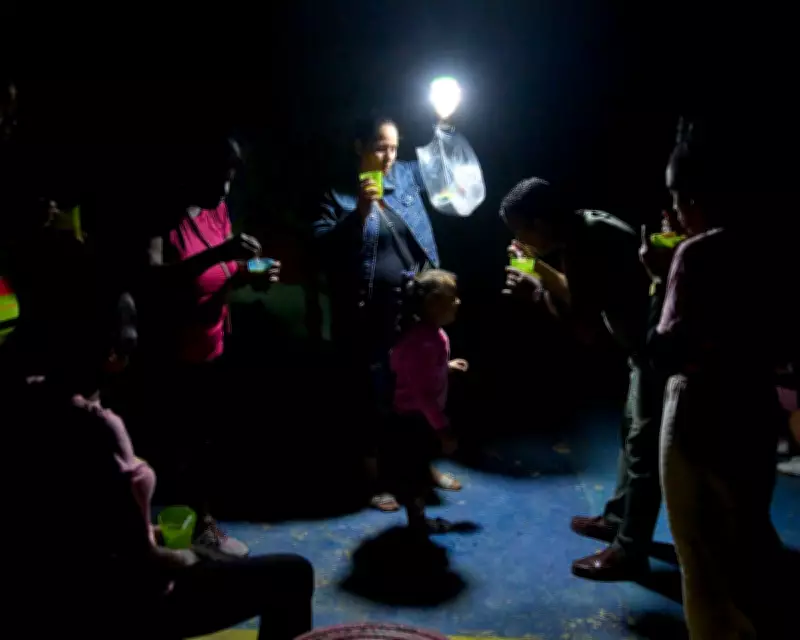
Cuba's national electrical grid has suffered a catastrophic collapse, according to the country's grid operator, UNE, plunging approximately 10 million people into darkness. This widespread blackout is the latest in a series of prolonged outages that have lasted for hours or even days across the communist-run island.
US Oil Blockade Cripples Obsolete Infrastructure
The collapse is directly linked to a stringent US-imposed oil blockade, which has severely crippled Cuba's already antiquated power generation system. The United States has intensified pressure on Cuba this year, particularly after capturing Venezuelan President Nicolás Maduro in January. Maduro was Cuba's most crucial foreign benefactor, and his capture has disrupted vital oil shipments.
Violent Protests Erupt Amid Energy Shortages
These persistent blackouts sparked rare violent protests last weekend, underscoring the growing public frustration over the energy crisis. Cuba's government acknowledged on Friday that it is engaged in talks with the US in hopes of defusing the escalating situation. However, US President Donald Trump has recently stated that Cuba is on the verge of collapse and expressed eagerness to negotiate a deal.

Trump further escalated tensions on Monday, remarking at the White House, "I do believe I'll be ... having the honour of taking Cuba. Whether I free it, take it – think I could do anything I want with it, you want to know the truth. They're a very weakened nation right now." This comment follows similar military operations in Venezuela and Iran, highlighting the geopolitical stakes.
Severe Fuel Shortages Exacerbate Crisis
Data from LSEG ship-tracking, reviewed by Reuters, reveals that Cuba has received only two small vessels carrying oil imports this year. The first tanker, originating from Mexico, discharged fuel at Havana port in January. Mexico had been a regular supplier until recently. The second vessel, from Jamaica, delivered liquefied petroleum gas, commonly known as cooking gas, in February.
Notably, Venezuela, once Cuba's primary oil supplier, has sent no fuel to the island this year. Although Venezuela's state oil company, PDVSA, loaded gasoline onto a tanker last month that was previously used for Cuban shipments, the vessel has remained in Venezuelan waters, according to PDVSA documents and tanker monitoring data.
Satellite imagery analysed by TankerTrackers.com indicates no large imports have entered Cuba's main hubs of Matanzas or Moa in 2024. These ports typically handle crude oil for refining and fuel oil for power generation. Additionally, the ports of Havana and Cienfuegos have shown no import activity for over a month, further straining the energy supply.
As investigations into the blackout's causes continue, the situation remains dire for millions of Cubans, with the US blockade tightening its grip on the island's fragile economy.