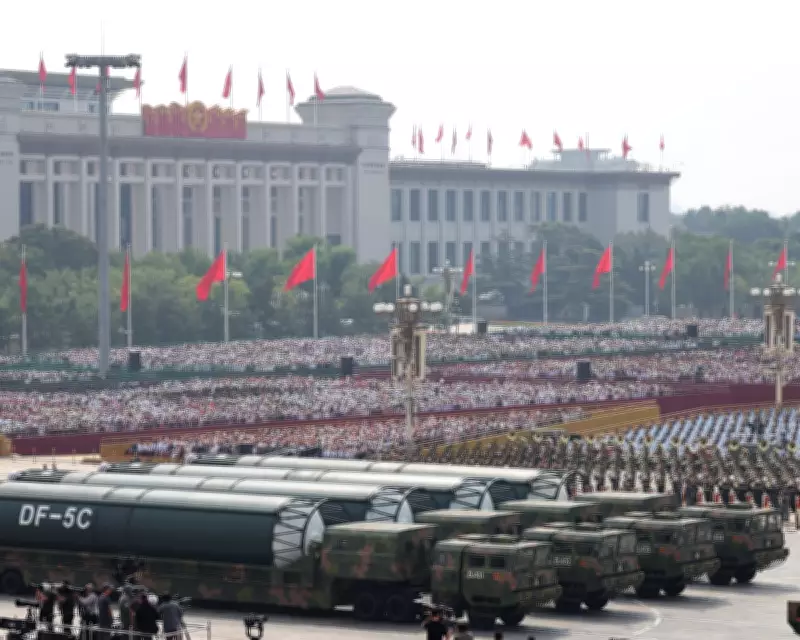
International treaties aimed at curbing the proliferation of nuclear weapons are increasingly seen as ineffective, according to recent analyses. These agreements, which have long been cornerstones of global arms control, are failing to prevent the spread of nuclear capabilities among nations, posing significant risks to international stability.
Growing Concerns Over Treaty Failures
Experts warn that the breakdown of these treaties could lead to a more dangerous and unstable global environment. The failure to enforce and uphold these agreements has allowed some countries to advance their nuclear programs without adequate oversight or consequences.
Key Factors Contributing to the Decline
Several factors are contributing to the ineffectiveness of these treaties. These include geopolitical tensions, lack of compliance from member states, and insufficient monitoring mechanisms. Additionally, emerging technologies and shifting alliances have complicated efforts to maintain a cohesive non-proliferation framework.

Geopolitical tensions have played a major role, with rivalries between nuclear-armed states undermining cooperative efforts. Lack of trust among nations has further eroded the foundation of these agreements, making it difficult to achieve consensus on critical issues.
Implications for Global Security
The failure of these treaties has far-reaching implications for global security. It increases the likelihood of nuclear arms races, escalates regional conflicts, and heightens the risk of accidental or intentional use of nuclear weapons. This situation demands urgent attention from the international community to reassess and strengthen non-proliferation strategies.
In response, some advocates are calling for renewed diplomatic efforts and enhanced verification measures. However, without broader commitment from world leaders, these treaties may continue to falter, leaving the world more vulnerable to nuclear threats.