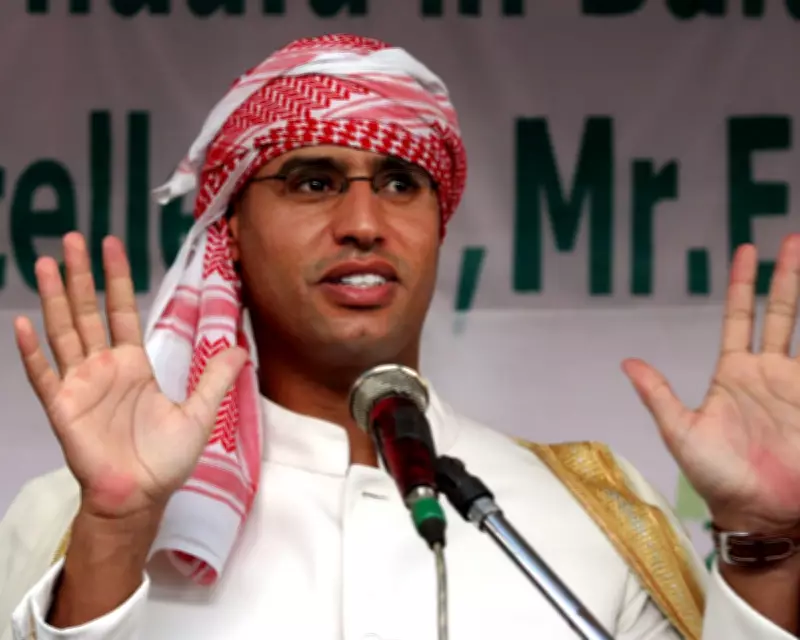
Saif al-Islam Gaddafi, the once-prominent son of former Libyan leader Muammar Gaddafi, has died, marking the end of a turbulent chapter in the nation's history. Born in 1972, he was long viewed as the potential successor to his father's regime, blending Western education with a role in shaping Libya's domestic and foreign policies.
Early Life and Political Ascent
Educated at the London School of Economics, Saif al-Islam earned a PhD and initially projected a reformist image. In the early 2000s, he became a key figure in Libya, advocating for economic liberalisation and engaging with international communities to ease sanctions. His efforts were seen as a bridge between the Gaddafi regime and the West, particularly during negotiations that led to Libya abandoning its weapons of mass destruction programme.
Role in the Gaddafi Regime
As his influence grew, Saif al-Islam took on significant responsibilities, including overseeing major infrastructure projects and acting as a de facto foreign minister. He was instrumental in securing the release of foreign hostages and promoting human rights initiatives, though critics argued these were largely superficial amid the regime's oppressive practices.

The 2011 Uprising and Downfall
The Arab Spring of 2011 proved catastrophic for the Gaddafi family. Saif al-Islam staunchly defended his father's rule during the civil war, delivering fiery speeches that called for a brutal crackdown on rebels. Captured by militia forces in late 2011, he faced charges of crimes against humanity, but his trial was marred by delays and political instability in post-Gaddafi Libya.
Later Years and Legacy
In the years following his capture, Saif al-Islam remained a polarising figure. Released in 2017 amid ongoing conflict, he attempted a political comeback, positioning himself as a unifying leader for Libya's fractured factions. However, his efforts were largely unsuccessful, and he faded from the international spotlight, living in obscurity until his death.
His legacy is complex: to some, he was a reformer who could have modernised Libya; to others, a symbol of the regime's brutality. His death closes a significant era, yet the divisions and chaos that followed the Gaddafi era continue to shape Libya's uncertain future.