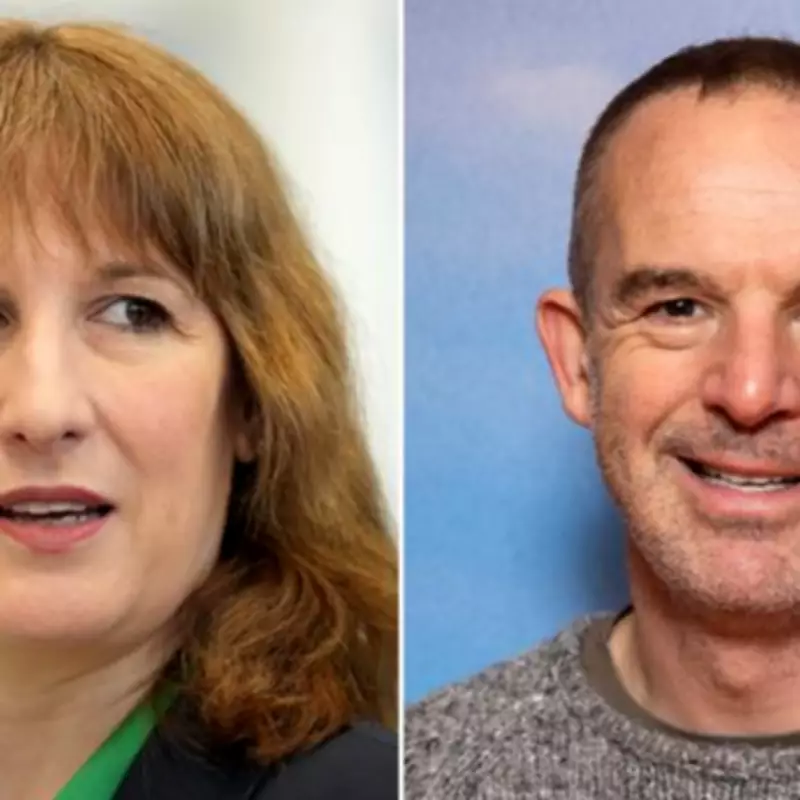
Personal finance guru Martin Lewis has launched a scathing critique of Chancellor Rachel Reeves' decision to freeze the salary threshold for Plan 2 student loan repayments, branding the move as "not a moral thing" to do. The clash centres on a policy announced in November 2025, which will hold the repayment trigger at £29,385 for three years starting in April 2027, instead of allowing it to rise with inflation as previously expected.
Understanding the Student Loan Freeze
This specific change impacts graduates in England and Wales who commenced their university studies between September 2012 and July 2023. Currently, these borrowers begin repaying their loans once their income surpasses the existing threshold of £28,470. By freezing the threshold, the government is effectively ensuring that graduates pay back a larger proportion of their earnings as wages increase over time.
The Mechanism of Fiscal Drag
This policy introduces a phenomenon known as "fiscal drag," where workers lose a greater share of their take-home pay than they would if the limit had been adjusted for inflation. Essentially, as salaries rise with economic growth, more graduates will find themselves pushed over the static repayment threshold, resulting in higher overall repayments to the Treasury.

Rachel Reeves' Defence of the Policy
Chancellor Rachel Reeves has robustly defended the freeze, describing it as a "fair and proportionate" measure essential for stabilising the national economy. She argues that the policy strikes a crucial balance between generating necessary tax revenue and meeting public spending requirements.
Reeves stated that a primary objective of the freeze is to bring various student loan repayment plans into closer alignment. She believes that having graduates start repayments at the same income level across different plans represents a "fair and reasonable" approach, simplifying the system and ensuring consistency.
Martin Lewis' Moral Objections
Martin Lewis, the founder of Money Saving Expert, has voiced strong opposition, emphasising that student loans are legally structured as contracts rather than a standard tax, despite the government often treating them as the latter. He contends that the government is unfairly altering the terms of agreements that young people have already signed, based on promises made at the time of borrowing.
Lewis expressed deep concern that this move treats student debt as a flexible levy that can be adjusted at the government's whim, undermining trust in financial commitments. He has publicly urged Chancellor Reeves to reconsider the policy before it takes effect, highlighting that many students entered these agreements without adequate financial education regarding how thresholds could be manipulated in the future.
The Broader Implications
This dispute raises significant questions about the morality and transparency of government financial policies affecting young graduates. It underscores ongoing debates about the balance between fiscal responsibility and fair treatment of borrowers, with potential implications for future education funding and student trust in loan systems.