University Not Informed of Psychiatrist's Murder Warning About Nottingham Attacker
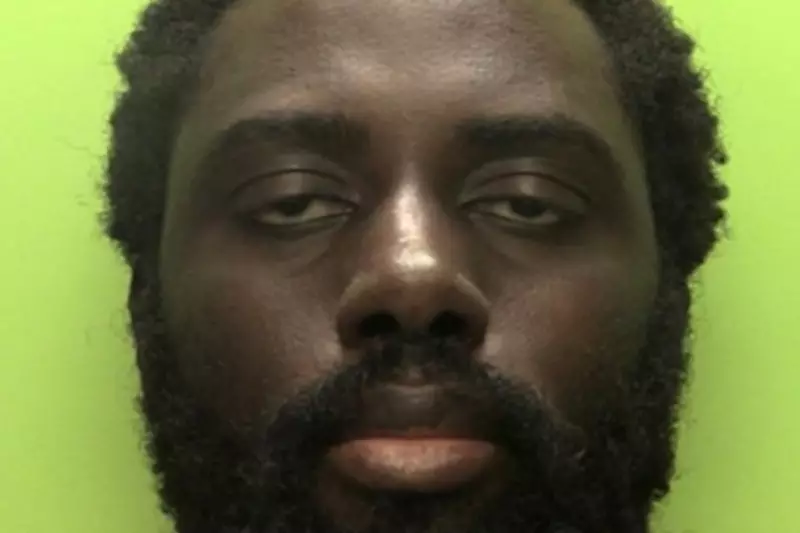
A consultant psychiatrist explicitly warned that Valdo Calocane would "end up killing someone" following violent incidents three years prior to the Nottingham attacks, a public inquiry has been told. The inquiry, currently being held in central London, heard compelling evidence that this critical assessment was never communicated to the University of Nottingham, where Calocane was a student.
Medical Notes Reveal Lack of Remorse After Violent Incident
Evidence presented on Wednesday included detailed medical notes from 2020, which recorded that Calocane displayed no signs of remorse or insight after a terrifying incident at student accommodation in Nottingham's Radford area. A woman, reportedly so frightened of Calocane, jumped from a first-floor window to escape him, sustaining serious injuries that required surgery for a fractured vertebrae.
Calocane, who was a mechanical engineering student at the University of Nottingham from September 2017 to July 2022, was admitted to a mental health ward in May 2020 due to a psychotic episode. The inquiry heard that on the day of the window incident, he had also committed criminal damage, attributing his behaviour to academic workload and exam pressure.

Psychiatrist's Explicit Warning Ignored
Medical notes from July 16, 2020, revealed consultant psychiatrist Dr Faizal Seedat's grave concerns. The notes stated: "Dr Seedat observed that there seems to be no insight or remorse, and that the danger is that it will happen again, and perhaps Valdo will end up killing someone." Despite this stark warning, the inquiry was told that police did not intend to press charges at that time.
Calocane was discharged from hospital on June 17, 2020, but was readmitted on July 14 after another violent incident at his student accommodation. During this further altercation on July 13, barrister Julian Blake informed the inquiry that Calocane had to be physically restrained by other residents.
University Left in the Dark About Critical Information
Claire Thompson, the former associate director of student wellbeing at the University of Nottingham, testified that the university was never made aware of the psychiatrist's murder warning or the concerning details in Calocane's medical notes. When asked by Mr Blake what had gone wrong, Ms Thompson confirmed she only became aware of this information after Calocane's fatal attacks in 2023.
"We weren't aware of it before then," Ms Thompson stated. She agreed with Mr Blake that the information contained in the medical notes was "highly relevant to the university" and could have significantly altered their approach to supporting Calocane.
Missed Opportunities for Intervention
Ms Thompson elaborated on what might have been done differently had the university been properly informed. "If that was shared with us, and we were able to work positively with the student, we would absolutely encourage them to take their medication and to engage fully with the services," she explained.
She particularly emphasised the significance of Calocane's lack of remorse, noting: "A lack of remorse... is something that would have been useful for everybody to think about carefully. Often when people are recovering from psychosis, one of the things you have to work with someone about is how they feel, because they will often feel very remorseful and bad about what's happened."
This testimony comes amid previous inquiry revelations about systemic failures, including that a warrant to arrest Calocane was not executed by police for months before his attacks, described as a "serious, systemic, operational failure."
Calocane ultimately killed University of Nottingham students Barnaby Webber and Grace O'Malley-Kumar, both 19, and school caretaker Ian Coates, 65, while attempting to kill three additional people in the early hours of June 13, 2023. The inquiry continues to examine the multiple failures that preceded these tragic events.