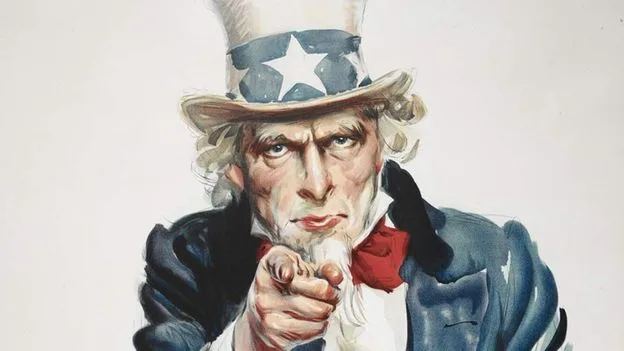
Propaganda is often dismissed as inferior art, but a closer look at history reveals that some of the world's most celebrated artworks were created with political intent. From the Parthenon Marbles to Trajan's Column, ancient masterpieces served as tools of persuasion, promoting the values of their patrons. Even the golden mask of Tutankhamun, now a symbol of Egyptian artistry, was designed to glorify a relatively insignificant pharaoh.
In the 20th century, propaganda became synonymous with totalitarian regimes like Nazi Germany and the Soviet Union, producing works that prioritised ideology over artistic merit. However, the Cold War saw modern art co-opted by the US government as a weapon of cultural diplomacy. This challenges the assumption that state-sponsored art is inherently inferior.
Ultimately, the quality of propaganda art depends on the skill of its creators. While much official art is forgettable, masterpieces like Trajan's Column demonstrate that political messaging and artistic excellence can coexist. The key is not the presence of propaganda, but the talent behind it.