Timothée Chalamet's Oscars Dream Crumbles Amid Voter Backlash
Timothée Chalamet's ambitious campaign for the 98th Academy Awards ended in disappointment, as both he and his film Marty Supreme were completely overlooked by voters. Despite a whirlwind promotional tour that spanned continents and media platforms, the actor failed to secure a single Oscar, raising questions about the pitfalls of overexposure in Hollywood's awards season.
The Rise and Fall of a Campaign Trail
Chalamet's journey began with a viral Zoom skit, where he humorously pitched outlandish marketing ideas for Marty Supreme, including orange-painted landmarks and blimp promotions. This initial burst of creativity seemed to set the stage for a successful run, as the campaign leveraged social media and traditional broadcasts to reach diverse audiences, from sports enthusiasts to theatre aficionados. The strategy paid off handsomely, transforming the indie film into A24's highest-grossing release and earning Chalamet numerous accolades, including a Golden Globe for Best Actor in a Musical or Comedy.
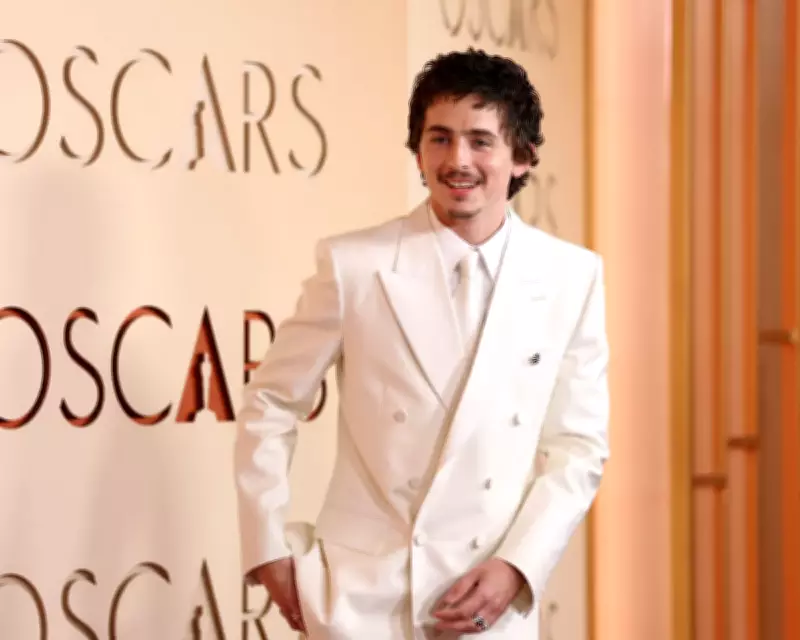
By January, bookmakers had installed him as the heavy favourite for the Oscar, but the lengthy gap between the Globes and the Academy Awards proved detrimental. As the campaign stretched into March, a consensus emerged among voters that Chalamet's relentless presence was becoming a liability. His frequent red carpet appearances with girlfriend Kylie Jenner, coupled with numerous chat show and podcast interviews, led to a growing perception that he mirrored the fame-obsessed character he portrayed in Marty Supreme.

Voter Fatigue and Academy Traditions
Industry insiders suggest that Chalamet's "pursuit of greatness" speech at the previous year's Actor awards, where he compared himself to legendary sports figures, may have alienated some voters. Although his controversial comments about opera and ballet came after voting had closed, they added to a narrative of arrogance that undermined his campaign. Ultimately, Michael B. Jordan's victory at the Oscars felt inevitable, marking a stark shift from Chalamet's earlier frontrunner status.
Moreover, the Academy's tendency to reward actors for a body of work rather than a single performance played a role. Chalamet, despite delivering critically acclaimed roles over the past decade, has often been typecast as overconfident young men, leading some voters to withhold recognition until he demonstrates greater versatility. As one analyst noted, the Oscars often require patience, with stars needing to prove their longevity before receiving the top honour.
Lessons for Future Campaigns
Chalamet's experience highlights the delicate balance required in Oscars campaigns: while visibility is crucial, overexposure can breed resentment. His team's aggressive marketing, though innovative, may have crossed a line, turning initial admiration into fatigue. Looking ahead, Chalamet shows no signs of slowing down, with plans likely already in motion for another high-stakes campaign next year. For marketers, this serves as a cautionary tale about the risks of pushing too hard in the pursuit of awards glory.
In the end, the 98th Academy Awards underscored that in Hollywood, timing and perception are everything. Chalamet's quest for greatness continues, but this year's shutout serves as a stark reminder that even the most dedicated campaigns can falter under the weight of voter scrutiny.