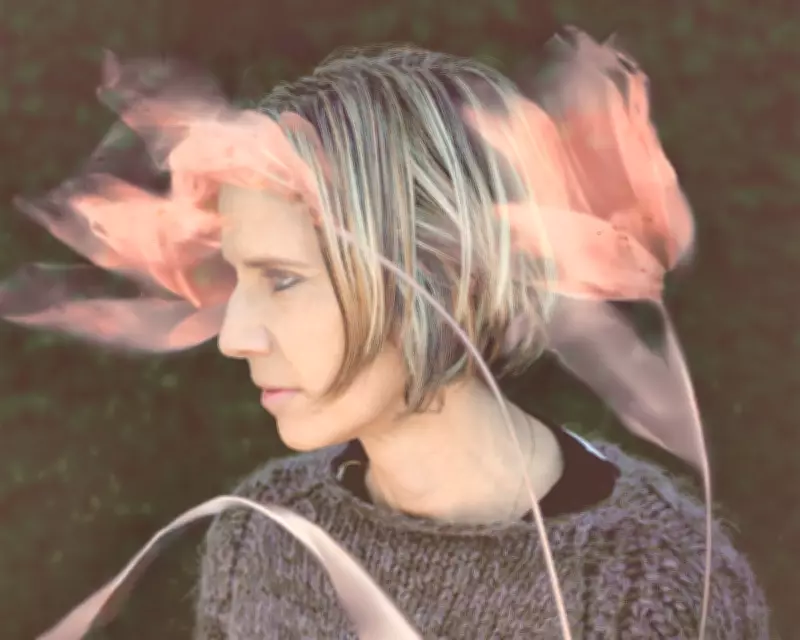
Darcey Steinke's Personal Journey Through Chronic Pain
In her latest memoir, This Is the Door, writer Darcey Steinke offers a profound exploration of chronic pain, moving beyond mere recovery narratives to examine how suffering fundamentally alters human experience. Steinke, known for works like Suicide Blonde and Flash Count Diary, was driven to write after enduring excruciating pain from a herniated disc, which she describes as a life-upending event that forced her to stand all day and grapple with emotional turmoil.
The Genesis of a Pain-Focused Memoir
Steinke's decision to pen this book stemmed from eight months of severe pain during the opioid crisis, when medication options were limited. She recalls moments so intense that thinking became nearly impossible. Rather than focusing on a cure, she aimed to investigate pain's broader implications, interviewing about 80 people and researching historical artifacts, from rare 17th-century texts to anatomical cadavers. This effort revealed pain's capacity to foster empathy and realign one's relationship with the universe.
Life Alterations and Internal Shifts
The physical constraints of pain necessitated significant changes, such as teaching while standing and socializing at bars instead of sitting. Internally, Steinke underwent a deep re-evaluation of priorities, confronting mortality and questioning life's purpose. She notes that pain, while claustrophobic, also opens connections to others, highlighting its dual nature as both isolating and unifying.

Spirituality and Artistic Responses to Suffering
Steinke describes pain as a spiritual experience, not necessarily tied to conventional faith but involving personal rituals and observations, like studying squirrels from her window. Many interviewees found their conventional faith challenged, leading to more personalized theologies. Artists like Frida Kahlo and Kurt Cobain, who channeled pain into their work, served as inspirations, demonstrating how creative practices can alleviate suffering and resonate with others.
Confronting Mortality and Ageing
Pain inevitably brings thoughts of death, with many expressing fear of suffering more than dying itself. Steinke reflects on how pain offers a glimpse into ageing and bodily decline, humbling individuals and reshaping their physical and mental experiences. She cites Jane Fonda's perspective on ageing as a source of comfort, emphasizing acceptance over resistance.
Insights from Lourdes and Collective Witnessing
Steinke's visit to the pilgrimage site of Lourdes in France provided a powerful conclusion to her book, showcasing a nexus of pain and faith. She was moved by the inclusivity and diversity there, witnessing how rituals like holy water administration offered solace and a sense of belonging to something greater. This experience underscored the importance of communal support in navigating pain.
Through This Is the Door, Steinke advocates for authentic expression of pain, arguing that sharing suffering with generosity can lead to profound connections and a deeper understanding of the human condition.