Helen Bain's Debut Novel Offers a Fresh Perspective on Plath and Hughes
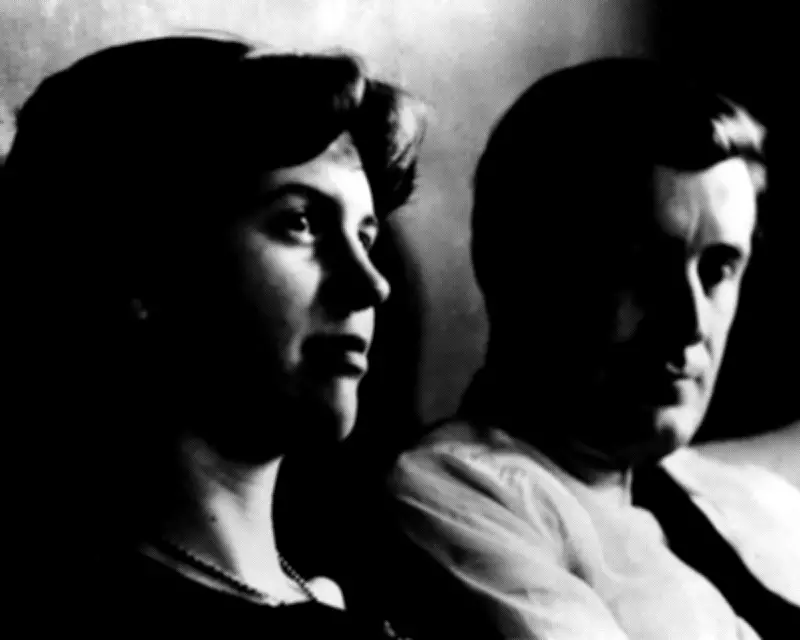
In a remarkable literary debut, Helen Bain's The Daffodil Days presents a virtuoso portrait of Sylvia Plath and Ted Hughes during their final year together. Set against the backdrop of early 1960s Devon, the novel meticulously reconstructs the couple's tumultuous period from 1961 to 1962, a time that would culminate in Plath's tragic death just eight weeks after the events depicted.
A Narrative Through Multiple Lenses
Rather than focusing directly on the famous poets, Bain ingeniously frames their story through the perspectives of those in their orbit. Readers encounter Plath and Hughes through the eyes of village doctors, charladies, neighbours, friends, colleagues, and various visitors. This approach offers a mosaic of vignettes, each providing a distinct viewpoint on the couple's deteriorating marriage and daily life.
The novel captures Plath completing The Bell Jar, giving birth to her son Nicholas at home, and composing the poems that would become the posthumous collection Ariel. Simultaneously, it depicts Hughes beginning his affair with Assia Wevill, which Plath soon discovered. Despite the extensive existing literature on the couple, Bain's peripheral narrative strategy achieves something extraordinary, making the reading experience feel akin to time travel.

Meticulous Research and Vivid Detail
Bain's exhaustive research is evident throughout the novel. She incorporates specific details from Plath's life that will resonate with knowledgeable readers:
- The injured thumb that inspired Plath's poem Cut, with the poet testing its imagery on Dr. Webb
- The camel-coloured suit Plath described in letters to her mother, sourced from Jaeger in Exeter
- The concrete floor that refused to dry and the Bendix washing machine that brought her pleasure
- Plath's trip to Broadcasting House to record her essay A Comparison for radio
The novel also introduces Plath's friends Clarissa Roche, Al Alvarez, and Marvin and Kathy Kane, while exploring the couple's complex relationship with Dido and William Merwin. Bain reinterprets the infamous incident where a pregnant Plath consumed lunch for four, presenting it not as thoughtless gluttony but as a deliberate act of mischievous revenge.
Structural Challenges and Narrative Choices
Bain confronts significant technical difficulties with her chosen narrative structure. Each character must possess a distinct voice and interiority, memorable enough for readers to recognize them across chapters and through others' perspectives. The author must carefully balance how much each narrator reveals about the central plot—the collapse of Plath and Hughes' marriage—avoiding both staginess and excessive peripherality.
Adding further complexity, Bain tells the story backwards, beginning in December 1962 with Court Green being packed up after the couple's separate departures, and concluding with their hopeful anticipation of moving to Devon in July 1961. This reverse chronology, while perhaps intended to trace the origins of their marital breakdown, impacts the novel's pacing by removing forward momentum and demanding extra effort from readers to piece together events through multiple viewpoints.
An Astonishing Literary Achievement
Despite its structural challenges, The Daffodil Days represents an astonishing achievement. Bain's prose is supple, intelligent, and exact, seamlessly integrating extensive research on diverse topics—from bellringing and surgery to shop work, honey production, and broadcast recording—without overwhelming the narrative. Her findings serve the characters, creating believable worlds without academic heaviness.
The novel responds to what critic George Steiner called "an enigma of literary history": how the "plump and golden" American child became the "thin and white" European woman who wrote Lady Lazarus, Daddy, and Edge. While some familiarity with Plath's biography enhances appreciation, Bain's ambitious and insightful work offers a convincing exploration of this transformation, making it a significant contribution to the literary understanding of two iconic figures.