Salman Rushdie Rejects 'Free Speech Barbie' Label After 2022 Attack
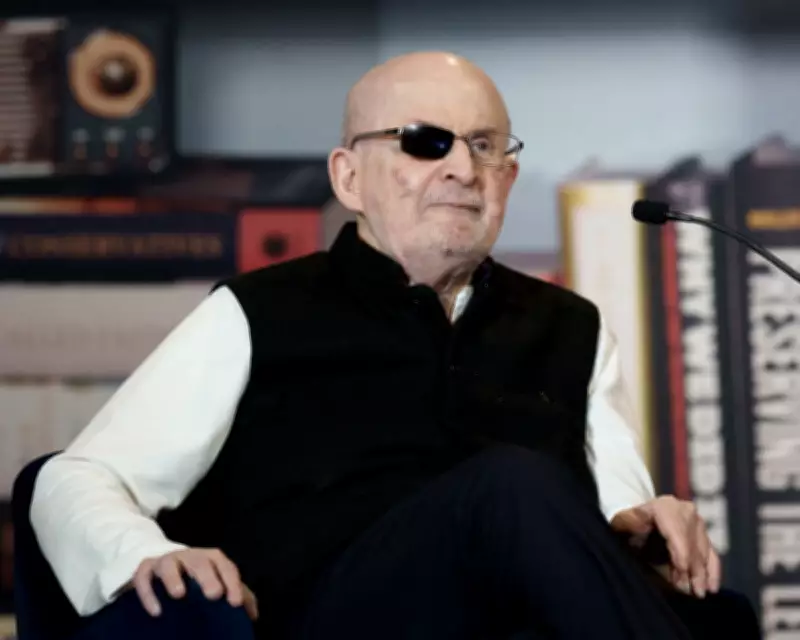
Salman Rushdie has declared he is weary of being cast as everyone's 'free speech Barbie', nearly four years after surviving a brutal assassination attempt that left him blinded in his right eye. The acclaimed author made these remarks during a talk with George Packer of The Atlantic at the New Orleans Book Festival held at Tulane University in Louisiana on March 13.
A Desire to Shift the Narrative
Rushdie emphasized his frustration with the symbolic role thrust upon him, stating, 'It's a subject I'm anxious to change. I don't feel symbolic. I feel actual. I feel like I'm a working writer trying to make his work.' This sentiment stems from the August 2022 incident at New York's Chautauqua Institution, where a knife-wielding attacker, Hadi Matar, stabbed Rushdie on stage. The assault resulted in critical injuries to his liver, intestines, and right eye, permanently impairing his vision.
The attack was motivated by Rushdie's novel The Satanic Verses, which Iranian religious leaders had denounced as blasphemous, leading to a fatwa issued by the late Ayatollah Ruhollah Khomeini in 1989. Matar was subsequently sentenced to 25 years in prison for attempted murder and an additional seven years for wounding moderator Ralph Henry Reese.

Focusing on Literary Contributions
Despite the significant media attention generated by the assassination attempt, Rushdie admitted, 'It's a little frustrating to be not known for a book – but for something that happened to a book.' He noted that The Satanic Verses was his fifth published work and has since authored 23 books in total. Rushdie repeatedly urged, 'Can we please talk about books?', highlighting his desire to steer conversations back to his literary output.
In line with this, Rushdie discussed his recent short story collection, The Eleventh Hour, published in November. This marks his first fiction work since the attack, following the release of his memoir Knife in April 2024, which detailed his experience. He expressed relief at returning to fiction, saying, 'After I finished writing the memoir, almost immediately, it's like a door in my head opened and the stories came back. I'd been really worried that I wouldn't be able to write fiction anymore … because of trauma and the shocking impact of what happened.'
Advocacy and Free Speech Concerns
While Rushdie seeks to move beyond the violence, he remains a staunch advocate for free speech, having served as president of PEN America for two years. He reflected on historical threats to expression, remarking, 'Historically, attacks on free expression have come from the rich and powerful, and the religious. Coming from a more liberal background, there now seems to be a different kind of problem. One is self-censorship' of potentially unpopular opinions or concerns about cultural appropriation.
Rushdie pointed out that young writers today may face such pressures, but he personally has no such worries, quipping, 'I'm so old, I don't give a damn.' His comments underscore a broader dialogue on artistic freedom and resilience in the face of adversity.