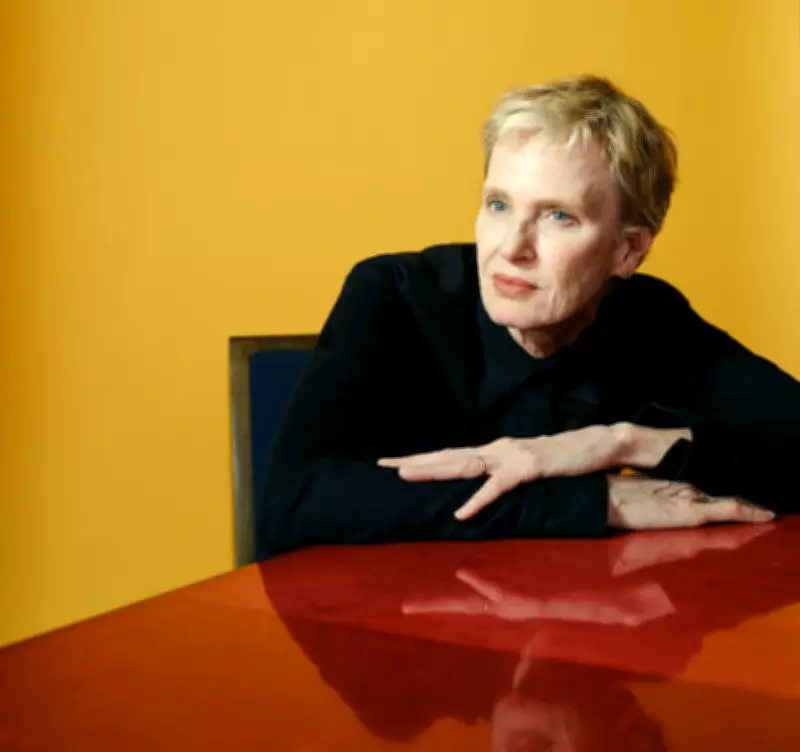
Siri Hustvedt on Life After Losing Paul Auster
I am alive. My husband, Paul Auster, is dead. He passed away on 30 April 2024, at 6.58pm in our Brooklyn home, where I now write these words. Paul was diagnosed with non-small cell lung cancer in January 2023, but the journey began earlier, in November 2022, when a CT scan at Mount Sinai West hospital revealed a mass in his right lung, suspected to be cancerous.
The Onset of Grief and Disrupted Time
We all face mortality, but only some confront the imminent end of life. I often imagined life without Paul, picturing myself walking alone through our house or grieving deeply. If your father dies, I will lose my every day, I told our daughter, Sophie. Yet, after his death, time became deranged beyond recognition. I struggle to remember dates, with hours skipping ahead while minutes drag slowly. My body aches to anchor itself to calendars and clocks, those reliable yet fictional markers, but their regular beats make little sense to me now.
Physically, I experience trouble breathing, with my heart racing in bursts and pains between my ribs. My neck and head ache, and my nerves buzz with electricity. Sleep comes only with medication. I find myself picking up objects only to abandon them, leaving piles of unopened condolence letters on the dining room table. The short, kind messages are manageable, but long, handwritten letters from strangers leave me bewildered, unsure of how Paul belonged to them.

Cleaning and Confronting Memories
In the days following Paul's small graveside funeral at Green-Wood Cemetery on 3 May, a compulsion to sort, discard, and scrub overwhelmed me. Cleaning has always been my response to distress, a way to impose order on chaos. I refused to be a widow who leaves her husband's clothes untouched for years. A dead man needs no shirts, keys, or shaving cream; he cannot be sick or take pills.
I attacked Paul's study with determination. He spent his days writing in a small room at the back of our house, surrounded by at least 150 pens, typewriter ribbons for his manual Olympia, erasers, and 35 Clairefontaine notebooks. These tools were sacrosanct; we never disturbed each other's workspaces. Discovering his vast collection evoked a poignant mix of tenderness and pain. Pens are commonplace, but typewriter ribbons and Tipp-Ex sheets are rare, so Paul stockpiled them against their possible disappearance.
I loved the percussive sound of his typewriter, a rhythm that kept time with his writing habits. I like the resistance of the keys on my fingers, he said. Now, the typewriter sits silent on his desk, a speechless relic of lost rituals. Habits and routines once served as a fortress against anxiety for Paul, who arrived hours early at airports and guarded objects like his pens, keys, datebook, and wallet as extensions of his body.
Anxiety and the Abyss
In the hospital, delirium left Paul disoriented without these objects. He would call out, worried about getting a cab or entering the house, even as he could not stand alone. Søren Kierkegaard described anxiety as looking into an abyss, a concept Paul embraced in his final year. I have spent a long time looking into the abyss, he said. His courage in facing that void astounded me.
Our four-storey Brooklyn home, where we lived for 30 years and raised Sophie, felt vast overnight. We first lived together in 1981 in Cobble Hill, merging our book collections and choosing the best editions, a symbolic commitment to staying together. Now, Sophie lives elsewhere with her husband, Spencer, and their baby, Miles, born on New Year's Day 2024. Paul loved the library on the third floor, where he wished to die, surrounded by light that grew more important as death neared.
Final Moments and Unfinished Stories
I sleep on my side of the bed, not expecting Paul beside me. We shared that bed for the last time on 28 April, two nights before his death. Spencer helped lift him into bed, and Paul stroked my hand as we talked. He urged me to live on and write more. That night, I checked his breathing repeatedly, a habit from Sophie's infancy.

Paul believed he had months left, but I sensed otherwise. In March, he began Letters to Miles, a small book for his grandson, writing 35 pages before his death in early April. The house, once filled with our calls, readings, and dialogues, now feels out of whack. Roses bloom without him, and our ongoing conversation has ended.
Medical Challenges and Personal Tragedies
Doctors described Paul's case as difficult, with a tumor board evaluating his situation. They never asked about his life story, ignoring how stress affects the immune system. After all the horrible things we've been through, if I die of cancer, it will make a bad story, Paul said, fearing a predictable plot. I kept my fears to myself.
The antecedent trouble includes the death of Paul's 10-month-old granddaughter, Ruby Auster, in November 2021, from heroin and fentanyl. Six months later, Paul's son, Daniel, was arrested and charged in her death. After release on bail, Daniel overdosed and died in April 2022. Media coverage, often cruel and speculative, exacerbated our grief. Paul wanted this story told, preserving letters and writings without destruction.
Reflections on Loss and Legacy
Emily Dickinson wrote, Abyss has no Biographer, but I strive to articulate it. While science links stress to cancer, correlation isn't cause. Paul's anguish over Daniel's struggles was profound, and his hope extinguished after Ruby's death. When Paul died, the bad story came true, but I write not to chronicle abyss but to bring something of him back to the page.
On 15 June 2024, I was with Sophie, Spencer, and Miles, feeling bliss as Miles slept in my arms. Look what we made, I said to Paul, marveling at our family. The wondrous and horrible mingle in life. Paul has been dead for 46 days, a loss that feels unreal. In therapy, I admit to failing to keep time, yet words flow as I write, a verbal gait that grounds me.
I listen for our old music, the attunement and dissonance we shared. Paul wanted to return as a ghost, and I tell ghost stories through his letters. In April 2024, he wrote to Miles, expressing regret over his impending death and the unfinished book of letters. He aimed to die at home, in the light, surrounded by family, preferring to go out telling a joke.
This is an edited extract from Ghost Stories: A Memoir by Siri Hustvedt, published by Sceptre on 5 May. Through her words, she honors Paul's legacy and navigates the complex terrain of grief and memory.