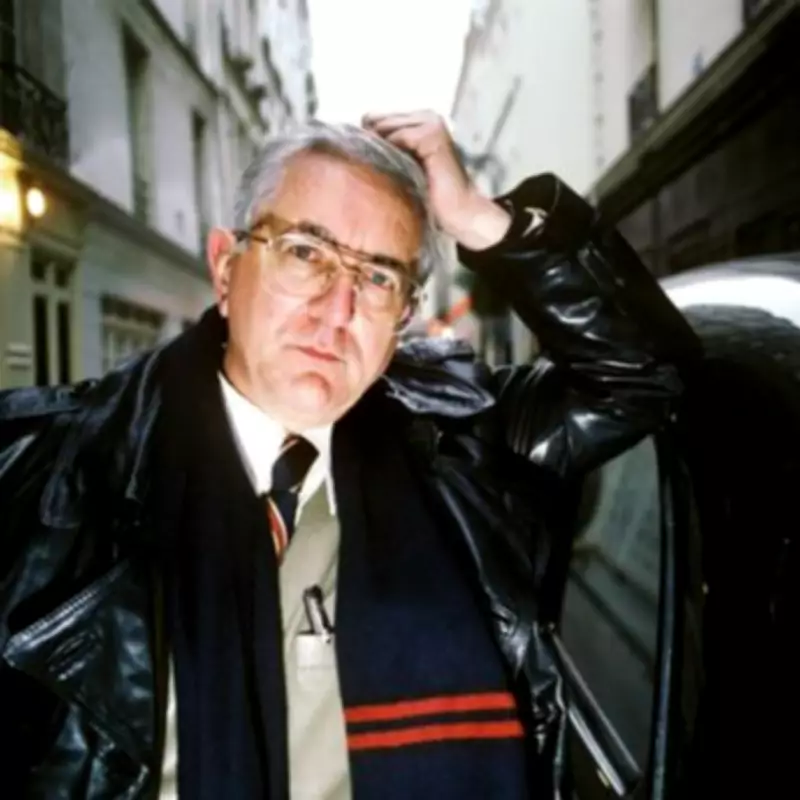
The literary world mourns the loss of a towering figure in spy fiction, as BAFTA-winning author Len Deighton has died at the age of 97. Deighton, celebrated for penning 39 gripping spy novels, was widely credited with fundamentally altering the landscape of British espionage storytelling.
A Pioneering Career in Espionage Fiction
Deighton first catapulted to fame with his debut novel, The Ipcress File, published in 1962. This groundbreaking work was later adapted into a BAFTA-award winning film starring Michael Caine, cementing its status as a cultural landmark. In March 2022, the thriller experienced a resurgence when ITV revived it, with Peaky Blinders' Joe Cole stepping into the role of the unnamed spy.
Transforming the Genre Alongside le Carré
Often compared to fellow espionage maestro John le Carré, whose debut The Spy Who Came in from the Cold emerged just a year after Deighton's, the two authors are hailed by media historians for jointly revolutionising British spy fiction. They introduced a markedly more insolent, disillusioned, and cynical narrative style to the genre, moving away from traditional tropes.

Deighton's work frequently centred on an unnamed, cynical protagonist, a stark departure from the suave and polished James Bond created by Ian Fleming, whose novels had debuted shortly before. This contrast highlighted Deighton's innovative approach, bringing gritty realism and moral ambiguity to the forefront of espionage tales.
Personal Life and Early Influences
Born in a London workhouse in 1929, Deighton came from humble beginnings. His father served as a chauffeur to the keeper of prints and drawings at the British Museum, while his mother worked as a hotel cook. A pivotal moment in his youth occurred in 1940, when the 11-year-old Deighton witnessed the arrest of a neighbour in Gloucester for espionage.
It was later revealed at her trial that she was a German spy engaged in an affair with a cipher clerk at the American Embassy—a plotline so dramatic it could have been lifted straight from one of Deighton's own thrilling bestsellers. This early exposure to real-world intrigue undoubtedly shaped his future literary career.
Diverse Passions and Lasting Tributes
Beyond his spy novels, Deighton was an avid culinary enthusiast, particularly fond of writing cookery books focused on French cuisine. He was married twice, first to illustrator Shirley Thompson and then to Ysabele, and is survived by two sons.
Following news of his passing, tributes have flooded in from admirers worldwide. One fan expressed on social media platform X: "An inspiration in my youth - a remarkable author." Another shared: "Loved his spy novels. Such a sad loss." These sentiments underscore the profound impact Deighton had on readers and the literary community.
His legacy endures not only through his extensive bibliography but also through the enduring influence he exerted on the spy fiction genre, leaving an indelible mark on British literature.