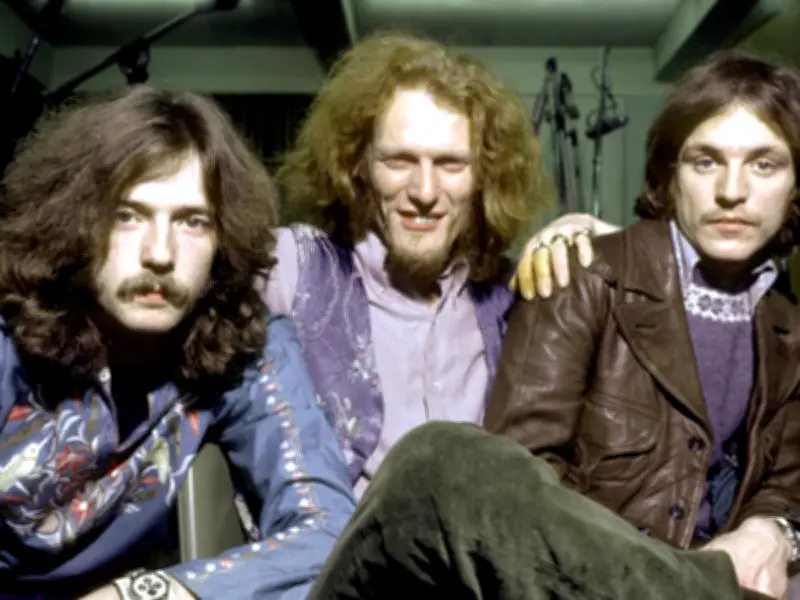
Cream, formed in swinging London during 1966, is often called the first true "supergroup" because each member already had a significant presence in other major bands. Guitarist Eric Clapton made his name in the Yardbirds and John Mayall's Bluesbreakers, bassist Jack Bruce played with the Graham Bond Organisation and Manfred Mann, and drummer Ginger Baker also came from the Graham Bond Organisation.
The idea of a team-up was sparked by Baker, who approached Clapton with the concept of building a power trio focused on serious musicianship and improvisation, blending blues, jazz, and psychedelic rock. Clapton had seen Baker and Bruce play together and insisted the bassist join, even though Baker reportedly wasn't thrilled due to their already volatile relationship.
Early Rehearsals and Debut Album
Clapton later recalled that at their very first rehearsal, Bruce and Baker argued almost immediately over an interview Bruce had given without Baker's knowledge. Their debut, Fresh Cream (1966), relied heavily on blues covers but showcased their chemistry. Disraeli Gears, released a year later, was their commercial breakthrough, adding a dose of psychedelia to the blues-rock mix and spawning the mega hit "Sunshine of Your Love."

Clapton labelled the band's rapid ascent and musical direction as a "glorious mistake." He said that while it turned into a "wonderful thing," it evolved into something entirely different from what he initially intended. Instead of the song-oriented, traditional blues format he wanted, the band became known for extended, half-hour instrumental solos. Clapton later admitted that the trio fell into "a lot of self-indulgence" and drifted away from their original purpose.
Commercial Peak and Internal Strife
1968's Wheels of Fire became symbolic of Cream's extended live improvisations, especially on tracks like "Crossroads." Cream achieved huge success, but tension between Bruce and Baker—who had clashed even back in their Graham Bond days—was simmering. Each felt the other was trying to outshine him musically, and the rivalry got physical. There are widely repeated stories of instrument sabotage, onstage fights, and Baker eventually pulling a knife on Bruce and firing him from the band.
Clapton has said he walked directly into the long-standing animosity between Bruce and Baker. The tension was so extreme that Cream traveled in separate limousines and barely spoke to each other offstage. A mix of ego, financial resentment (Baker felt shortchanged on songwriting credits despite Cream being his idea), and sheer exhaustion from touring wore the band down.
Breakup and Legacy
Cream announced their split in 1968. Clapton has said the trio's main problem was that they simply stopped listening to one another, which made the tension worse. Their farewell album, Goodbye (1969), was released after they had already broken up. Cream's run lasted barely two years, but they left their mark, shaping the template for the power trio and influencing everyone from Led Zeppelin to countless hard rock acts that followed.
Post-Cream, Clapton was busy with projects like Blind Faith and Derek and the Dominos, as well as helping out The Beatles. Decades later, Cream reunited for a series of comeback concerts in London and New York in 2005. They hoped to hit the road again in late 2013 or 2014, but Jack Bruce revealed the tour plans were scrapped following a spat between Clapton and Baker.
He told Rolling Stone, "I think last year or this year, everybody had agreed about doing it. But then I think Ginger upset Eric... He said something or did something, so it's not happening. It's always been like that. The first time it (a reunion) was mooted was when we were all 'indicted' to the Rock and Roll Hall of Fame. And that was in '93. And what happened in 2005. That's the way it goes. It's fine. I think we said what we had to say at the time. And it was nice to have that little comeback. For me, that was just about right."
When discussing the possibility of another full-scale Cream reunion, Clapton flatly declined. He stated: "I was pretty convinced that we had gone as far as we could without someone getting killed. At this time in my life I don't want blood on my hands!"